Follow Us:


Starting a weight loss journey is about more than simply reducing the number on the scale. Before beginning weight loss injections in Mumbai, it's important to understand your overall health and identify any underlying conditions that could affect your treatment plan.
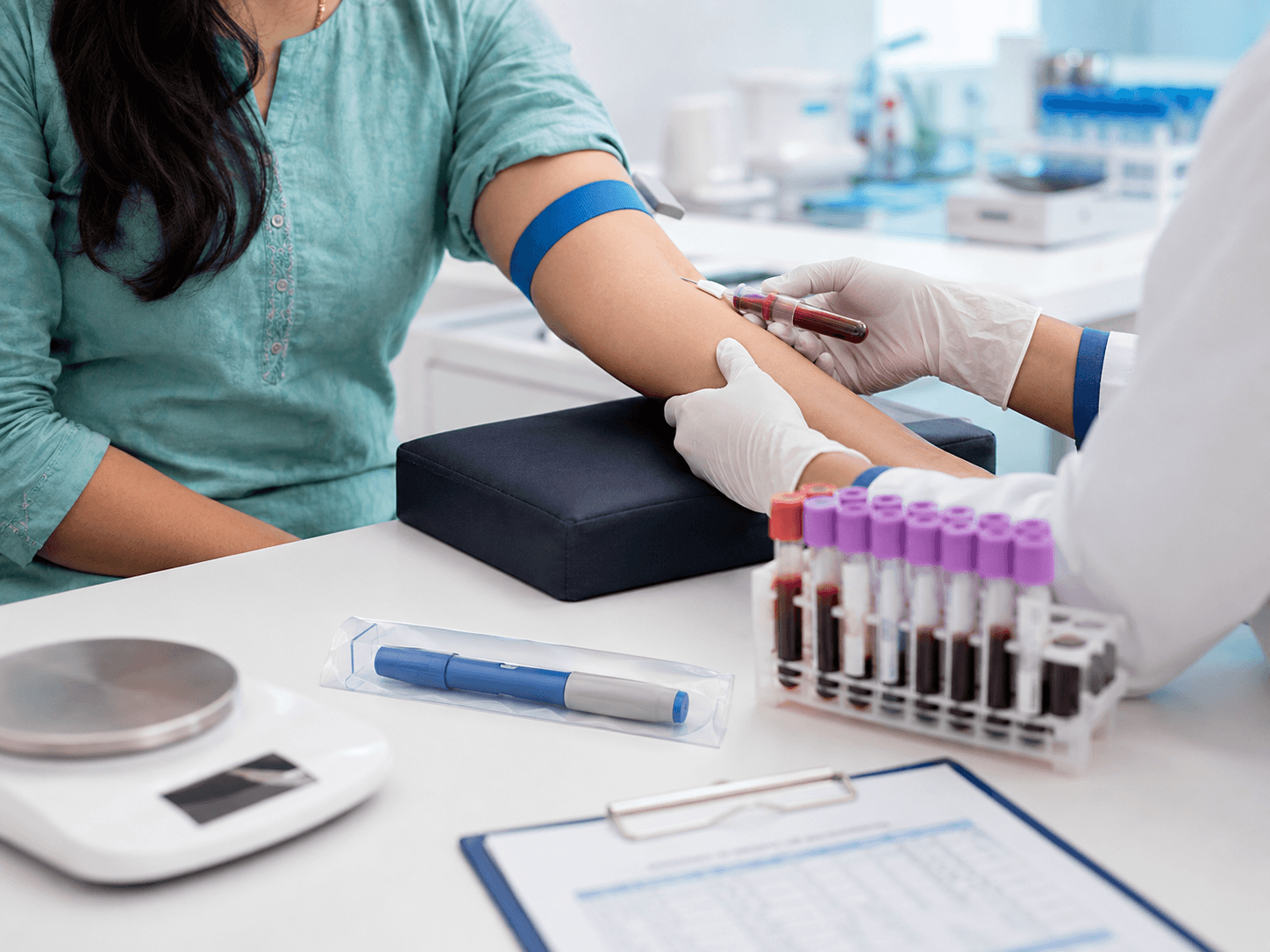
This is why a thorough medical evaluation—including blood tests—is an essential part of medically supervised weight management.
Blood investigations help your doctor determine whether you're a suitable candidate for treatment, identify possible causes of weight gain, detect nutritional deficiencies, and monitor your health throughout your weight loss journey.
Rather than using a one-size-fits-all approach, these tests allow your healthcare provider to create a personalized treatment plan that is both safe and effective.
Weight gain can be influenced by several medical conditions, not just diet and physical activity.
Blood tests help doctors:
This ensures that weight loss injections are prescribed appropriately and safely.

The exact tests vary depending on your medical history, symptoms, and risk factors, but several investigations are commonly recommended.
A CBC provides information about your overall health. It helps detect anaemia, infection, inflammation, and general blood health. Low haemoglobin or iron deficiency may contribute to fatigue and should be addressed before beginning a weight-loss program.
Excess weight often affects cholesterol levels. A lipid profile measures total cholesterol, LDL ("bad") cholesterol, HDL ("good") cholesterol, and triglycerides. Improving these values is often one of the major health benefits of successful weight loss.
Kidney function is evaluated using tests such as serum creatinine, blood urea nitrogen (BUN), and estimated glomerular filtration rate (eGFR). Healthy kidney function is important before starting many medications and helps your doctor make informed treatment decisions.
Vitamin D deficiency is common in people living with obesity. Low levels may contribute to fatigue, muscle weakness, and bone health problems. Correcting vitamin D deficiency supports overall health during weight loss.
Iron deficiency is especially common in women. Testing may include ferritin, serum iron, and total iron-binding capacity (TIBC). Identifying iron deficiency early can help prevent fatigue and hair shedding during weight loss.
Some individuals with obesity have elevated uric acid levels, increasing the risk of gout and kidney stones. Testing may be recommended based on symptoms and medical history.
Since obesity is closely linked to diabetes and prediabetes, evaluating blood sugar levels is important. Common tests include Fasting Blood Sugar (FBS) and HbA1c, which provides an average blood sugar level over the previous 2-3 months. These tests help identify prediabetes, type 2 diabetes, and poor glucose control.
The liver plays a central role in metabolism. People with obesity are at increased risk of fatty liver disease (NAFLD) and elevated liver enzymes. Liver function tests help ensure that treatment is appropriate and establish a baseline for future monitoring.
An underactive thyroid (hypothyroidism) may contribute to weight gain, fatigue, dry skin, hair loss, and slow metabolism. Testing thyroid function helps identify patients who may require treatment for thyroid disease in addition to weight management.
Vitamin B12 supports nerve function, energy production, and red blood cell formation. Low B12 levels may cause fatigue and neurological symptoms. Testing is particularly useful in individuals with dietary restrictions or existing deficiency risk factors.
Electrolytes such as sodium, potassium, and chloride help assess hydration status and overall metabolic health. Abnormal levels may require medical attention before treatment begins.
Depending on your age, symptoms, and medical history, your doctor may also recommend:
Useful for evaluating insulin resistance, particularly in patients with obesity or PCOS.
Women with irregular periods, excessive hair growth, acne, or suspected PCOS may require additional hormonal testing, such as testosterone, DHEAS, LH and FSH, and prolactin.
In selected cases, cortisol testing may be recommended if Cushing's syndrome or other endocrine disorders are suspected.

No. Blood investigations should always be tailored to the individual. Factors influencing the recommended tests include age, BMI, medical history, family history, current medications, existing medical conditions, symptoms, and previous blood test results. Your healthcare provider will decide which investigations are appropriate based on your overall health.
Your doctor will review the results to determine whether weight loss injections are appropriate, whether any medical conditions require treatment first, if nutritional deficiencies need correction, whether lifestyle modifications should be prioritized, and if additional specialist evaluation is necessary. The results also provide a useful baseline for monitoring your progress during treatment.
In many cases, yes. Follow-up blood tests help monitor blood sugar control, cholesterol levels, liver function, kidney function, nutritional status, and overall response to treatment. The frequency of monitoring depends on your health status and the medications being used.

Weight loss medications are most effective when they are part of a comprehensive obesity management program.
A proper assessment allows your doctor to:
This individualized approach leads to better and more sustainable outcomes.
If you're considering weight loss injections in Mumbai, choose a clinic that provides more than just medication. A comprehensive program should include:
A thorough review of your medical history, current health status, and weight loss goals to guide your personalized treatment plan.
Appropriate pre-treatment and follow-up blood tests to ensure safe and effective weight management from the very start.
Understanding your fat mass, muscle mass, and metabolic profile helps set realistic goals and track meaningful progress.
Personalized dietary guidance to ensure adequate intake of protein, vitamins, and minerals throughout the weight loss process.
Practical advice on physical activity, sleep, and stress management to support sustainable long-term weight loss outcomes.
Ongoing monitoring allows your doctor to adjust your treatment plan and address any concerns promptly throughout your journey.
This holistic approach supports both successful weight loss and long-term health.
Blood tests are an important first step before starting weight loss injections in Mumbai. They help identify underlying health conditions, detect nutritional deficiencies, and ensure your treatment plan is tailored to your individual needs.
Rather than viewing these tests as an obstacle, think of them as the foundation of a safe and effective weight-loss journey.
With the right medical assessment, personalized treatment, and ongoing monitoring, you can pursue sustainable weight loss while protecting your overall health.
Schedule a consultation with our specialists to learn whether weight loss injections in Mumbai are right for you and receive a personalized treatment plan based on your health, goals, and medical evaluation.
Book Consultation