Follow Us:



Starting Ozempic or Mounjaro is an important step towards achieving healthier and more sustainable weight loss. These medications work by reducing appetite, slowing stomach emptying, and helping you feel full for longer.
However, one common misconception is that the medication alone will do all the work.
In reality, your eating habits remain one of the biggest factors influencing your success. The right diet not only supports better weight loss but also helps reduce common side effects such as nausea, bloating, constipation, and fatigue.
If you're receiving Ozempic Mumbai, Mounjaro Mumbai, or another weight loss injection in Mumbai, this guide explains how to build a balanced diet that complements your treatment and helps you maintain results over the long term.
GLP-1 medications make it easier to eat less, but they don't replace healthy nutrition.
Many patients naturally consume fewer calories because they feel full sooner. If those smaller meals lack protein, fibre, vitamins, and minerals, you may experience:
The goal isn't to eat as little as possible—it's to make every meal count.

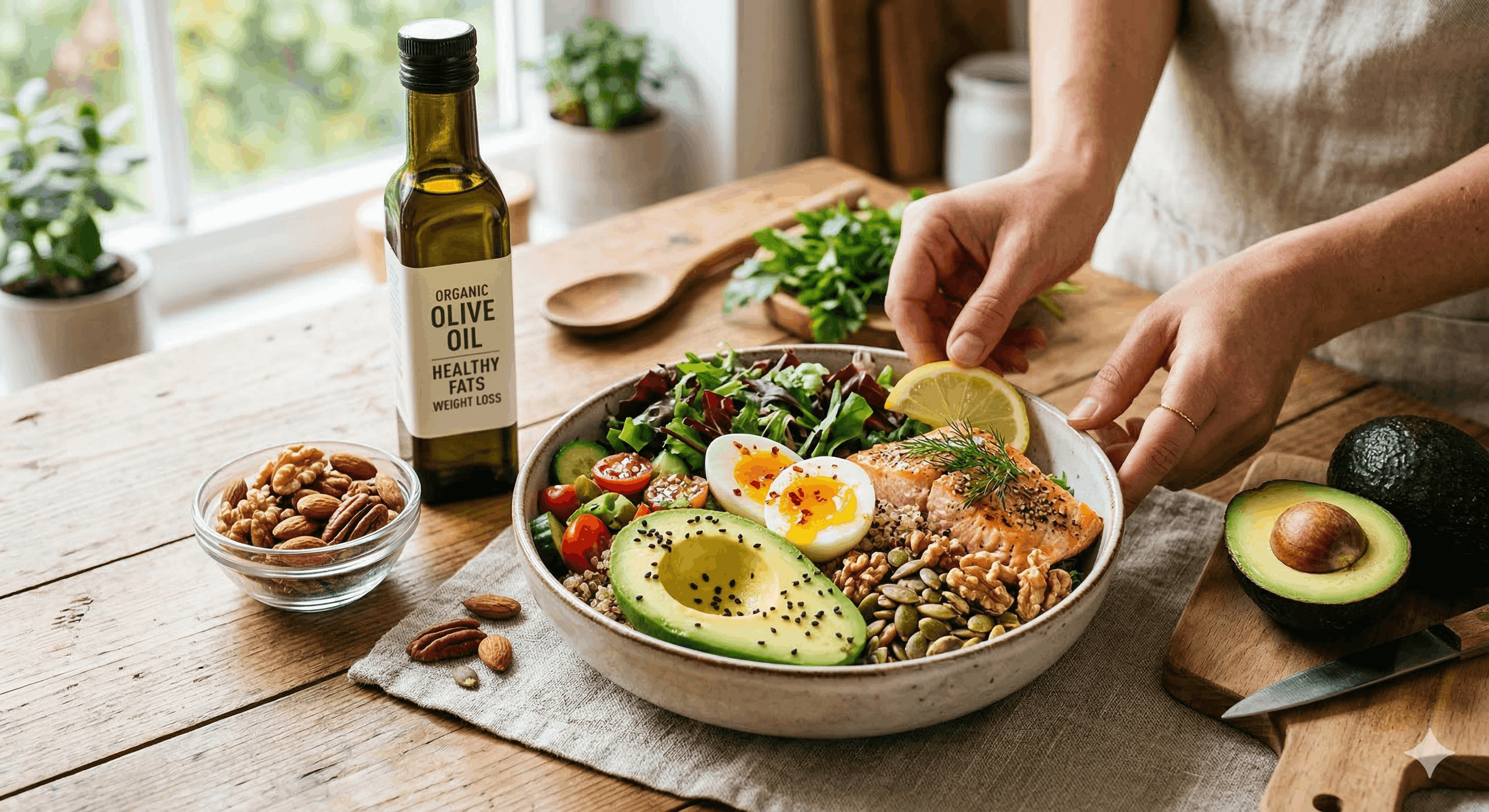
A successful diet during treatment should focus on quality rather than restriction.
Aim to:
These habits support weight loss while making treatment easier to tolerate.
To get the best results from Ozempic or Mounjaro, structure your daily meals around essential nutrient groups that preserve muscle mass and keep metabolism strong.
Protein is one of the most important nutrients during weight loss.
It helps:
Good protein sources include:
Try to include a quality protein source in every meal and snack.
Carbohydrates are not the enemy.
Instead of avoiding them completely, focus on high-quality sources that provide steady energy.
Examples include:
These foods provide fibre and help maintain energy throughout the day.
Vegetables are naturally low in calories but high in fibre, vitamins, and antioxidants.
They also help increase meal volume without adding excessive calories.
Good choices include:
If raw vegetables worsen bloating or nausea, lightly cooked vegetables may be easier to digest.
Healthy fats support hormone production and overall health.
Moderate portions of:
can help improve satiety without excessive calories.
Remember that fats are calorie-dense, so portion control is still important.

Because appetite decreases, many people also drink less water.
Dehydration may contribute to:
Aim to drink water consistently throughout the day rather than waiting until you feel thirsty.
If plain water is difficult, try:
Adjusting how and what you eat plays a huge role in preventing stomach discomfort during treatment. Smaller, well-timed meals are much easier on your digestive system.
Some foods are more likely to trigger nausea, bloating, or stomach discomfort while taking Ozempic or Mounjaro.
Limit:
Many patients tolerate lighter meals much better.
Instead of eating two very large meals, consider:
Large meals can increase:
Listen to your body's fullness signals and stop eating before you feel overly full.
The exact meal plan should always be adjusted according to your medical condition, calorie needs, and dietary preferences.

If you're experiencing nausea:
Many patients find these simple changes make a noticeable difference.
Constipation is one of the most common side effects of GLP-1 medications.
To reduce the risk:
Increase fibre gradually to avoid worsening bloating.
No.
Because appetite is reduced, some patients unintentionally eat only once or twice a day.
Skipping meals may lead to:
Even if you're not very hungry, aim for balanced meals that provide adequate nutrition.
Weight loss treatment doesn't mean you can never enjoy restaurant meals.
Choose:
Avoid oversized portions by:
The best results come from combining a healthy diet with regular exercise.
Aim for:
Strength training is particularly important for preserving muscle while losing fat.
Some patients combine intermittent fasting with GLP-1 medications.
However, this is not appropriate for everyone.
Because Ozempic and Mounjaro already reduce appetite, adding prolonged fasting may:
Always discuss fasting plans with your healthcare provider before combining them with medication.
Not everyone needs supplements.
However, some patients may require:
Only take supplements after medical evaluation or if recommended by your healthcare provider.
Avoid these common errors:
Small, consistent habits usually produce the best outcomes.
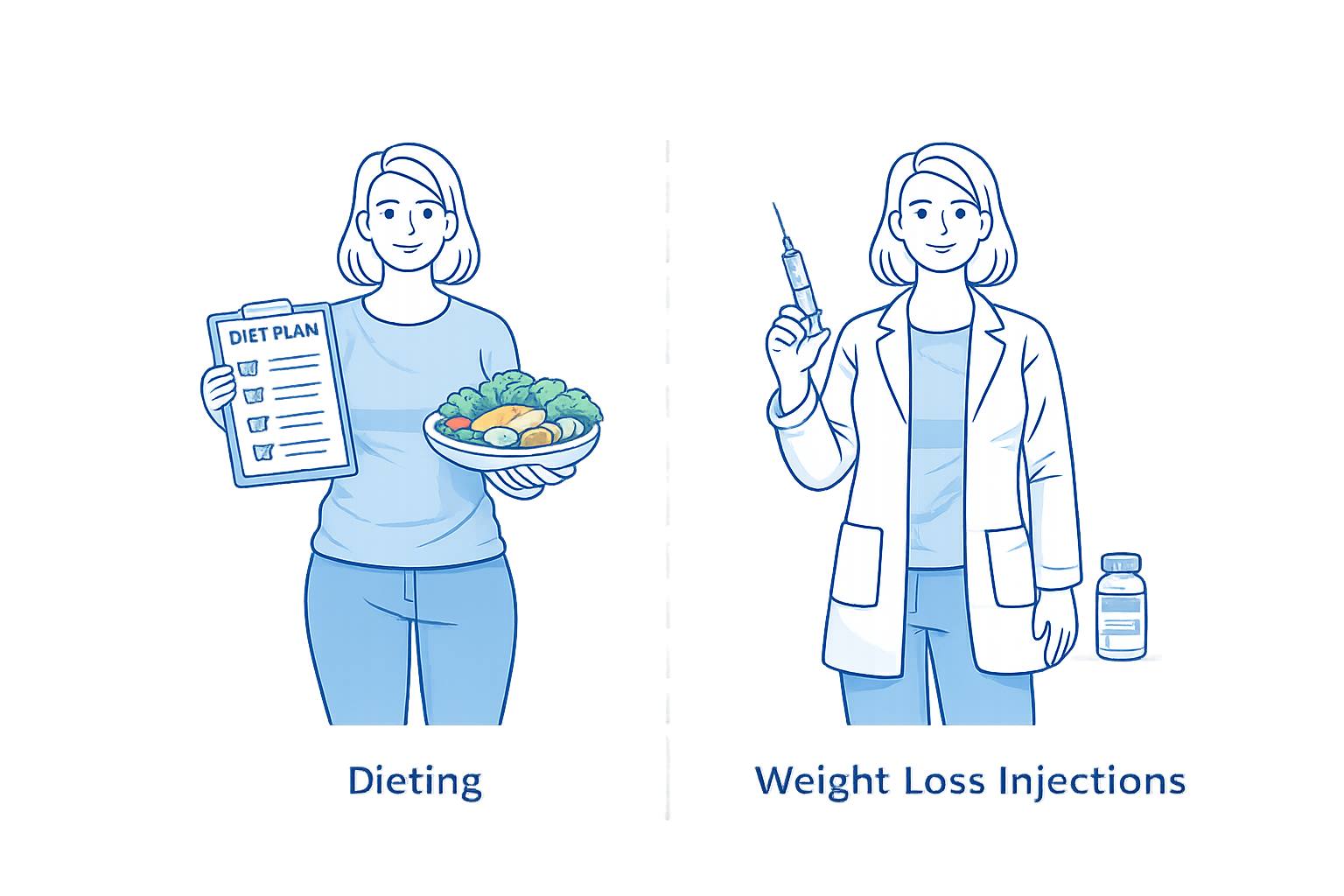
Every person's body responds differently to GLP-1 medications.
Factors such as:
all influence the ideal diet plan.
This is why individualized nutritional guidance is often more effective than generic diet charts downloaded from the internet.

At MOH Clinic, weight loss treatment goes beyond prescribing medication.
Our comprehensive obesity management approach includes:
Whether you're taking Ozempic, Mounjaro, or another medically supervised weight loss injection in Mumbai, our team works with you to create a sustainable plan that fits your lifestyle and health goals.
Ozempic and Mounjaro can make weight loss easier by reducing hunger and improving appetite control, but they work best when combined with smart nutritional choices.
Remember these key principles:
Successful weight loss isn't about eating as little as possible—it's about giving your body the nutrition it needs while creating healthy habits you can maintain for years to come.
If you're considering Ozempic Mumbai, Mounjaro Mumbai, or another weight loss injection in Mumbai, consult an experienced obesity specialist to receive a personalized treatment and nutrition plan designed for safe, sustainable, and long-term success.

Schedule a consultation with our specialists to learn whether weight loss injections in Mumbai are right for you and receive a personalized treatment plan based on your health, goals, and medical evaluation.
Book Consultation