Follow Us:




Starting GLP-1 weight loss injections is an exciting step for many people looking to achieve sustainable weight loss. Medications such as Ozempic, Wegovy, and Mounjaro have transformed obesity treatment by helping reduce appetite, improve blood sugar control, and support long-term weight management.
However, like any medication, GLP-1 therapies can cause side effects—especially during the first few weeks of treatment.
The good news is that most side effects are temporary, mild to moderate in severity, and improve as your body adjusts to the medication.
If you're considering weight loss injections Mumbai or have recently started GLP-1 weight loss injections Mumbai, understanding what to expect can make your treatment journey smoother and help you stay on track.
GLP-1 medications work by mimicking a naturally occurring hormone that helps regulate:
One of their key actions is slowing the rate at which food leaves the stomach. While this helps you stay fuller for longer, it can also lead to temporary digestive symptoms, particularly when treatment begins or when the dose is increased.
Most side effects occur because your digestive system is adapting—not because the medication is harming your body.
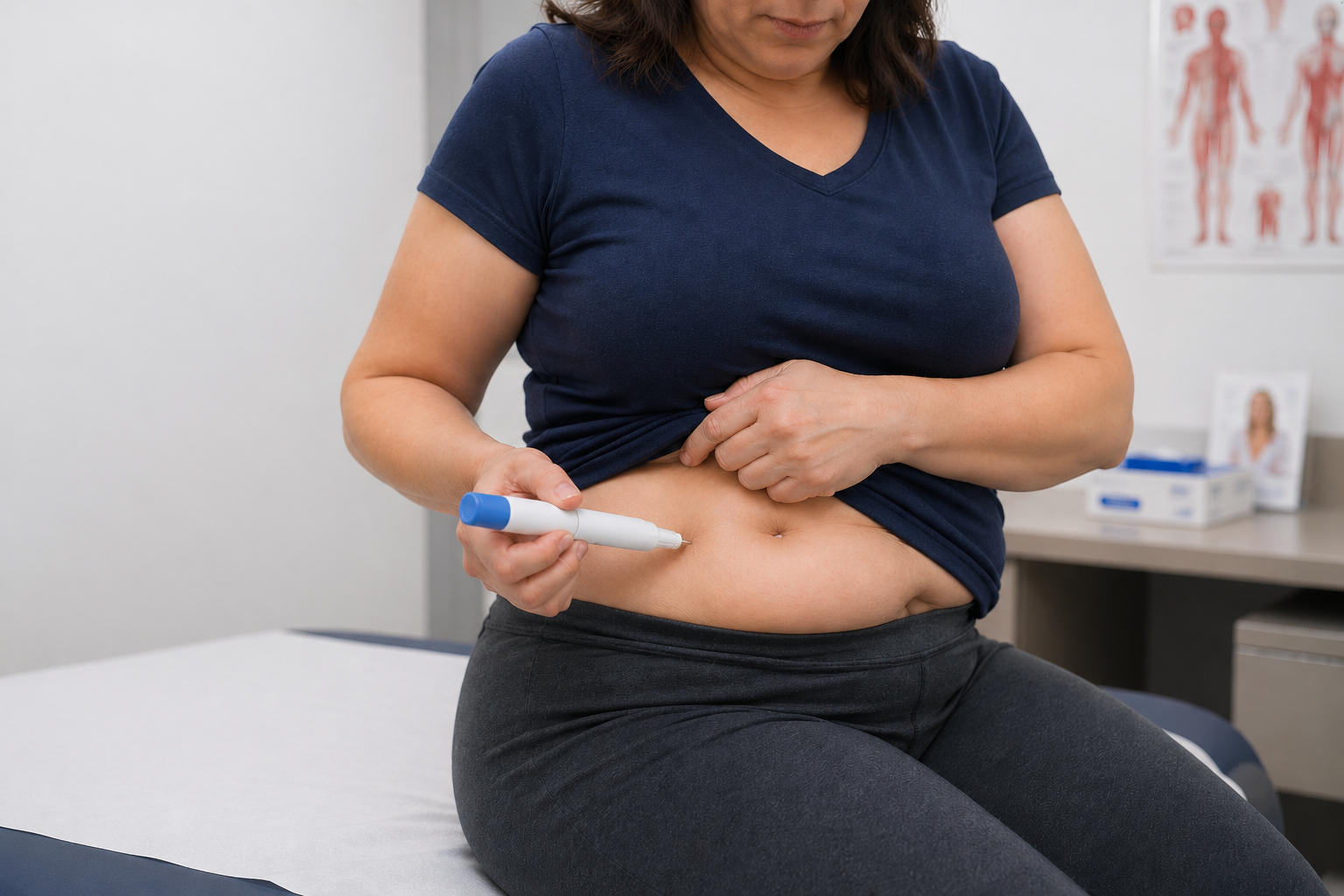

While everyone responds differently, the most frequently reported side effects include:
Let's look at each one in more detail and explore practical tips to manage them.
Nausea is often the first side effect patients notice. It may occur because food remains in the stomach longer, creating a feeling of fullness that can sometimes become uncomfortable.
You may notice:
How to Manage Nausea:
Many patients find that nausea improves significantly after the first few weeks as the body adapts.
Because digestion slows, bowel movements may become less frequent. Constipation is a common complaint, particularly if appetite decreases and patients unintentionally eat less fibre or drink less water.
Signs include:
How to Reduce Constipation:
If constipation becomes persistent or severe, speak with your healthcare provider before taking laxatives.
Some people report feeling unusually tired during the first few weeks of treatment. This may happen because calorie intake decreases, the body is adjusting to weight loss, fluid intake is reduced, or sleep quality changes.
Tips to Improve Energy:
Fatigue usually improves as eating patterns become more balanced.
Not everyone experiences constipation. Some patients have loose stools instead. Diarrhea usually occurs early in treatment or after dose increases.
To help reduce diarrhea:
Persistent diarrhea should always be discussed with your doctor.
Vomiting is less common than nausea but can occur if meals are too large, fatty foods are consumed, or the dose is increased too quickly.
Reduce the Risk by:
If vomiting is frequent, contact your healthcare provider promptly.
Slower digestion may also cause abdominal fullness, gas, and mild bloating. These symptoms often improve with time.
Helpful strategies include:
Many patients worry when they experience symptoms during the first few weeks. Fortunately, most gastrointestinal side effects decrease as the digestive system adapts to the medication.
This gradual adjustment is one reason why doctors typically increase the dose slowly rather than starting with the highest dose immediately.
Most side effects are manageable at home. However, seek medical advice if you experience:
Early medical advice can help prevent complications and determine whether your treatment plan needs adjustment.

Many patients tolerate treatment better when they choose lighter, nutrient-rich meals. Consider including:
Avoid relying on highly processed or fried foods, which may worsen digestive discomfort.
Simple daily habits can make a noticeable difference:
Large meals are more likely to trigger nausea. Stop eating when you feel comfortably full.
Drink water consistently throughout the day, especially if your appetite has decreased.
Protein supports muscle health, energy levels, and recovery during weight loss.
Gentle exercise like walking can help improve digestion, reduce constipation, maintain muscle mass, and boost energy.
Never increase your dose without medical guidance. Gradual dose escalation is designed to improve tolerance and reduce side effects.

Not necessarily. Some patients experience very few side effects while achieving excellent weight loss results. Others have more noticeable symptoms during the adjustment period.
The presence—or absence—of side effects does not determine how effective the medication will be.
GLP-1 medications should always be used under the guidance of a qualified healthcare professional. Regular follow-up allows your doctor to:
This personalized approach helps maximize benefits while minimizing discomfort.
Interest in GLP-1 weight loss injections Mumbai continues to grow because these medications address obesity through science rather than relying only on restrictive diets.
By targeting appetite regulation, metabolism, and blood sugar control, GLP-1 therapies offer a structured medical approach for appropriate patients.
When combined with healthy eating, physical activity, and regular follow-up, they can support sustainable weight loss and improved overall health.

Experiencing mild side effects after starting GLP-1 therapy is common and, in most cases, temporary. The key is understanding what your body is going through and taking practical steps to reduce discomfort.
Remember these simple strategies:
For patients considering weight loss injections Mumbai, knowing how to manage common side effects can improve confidence, treatment adherence, and long-term success. With proper medical supervision, most people find that the early adjustment period becomes easier, allowing them to focus on achieving healthier and more sustainable weight loss.