Follow Us:


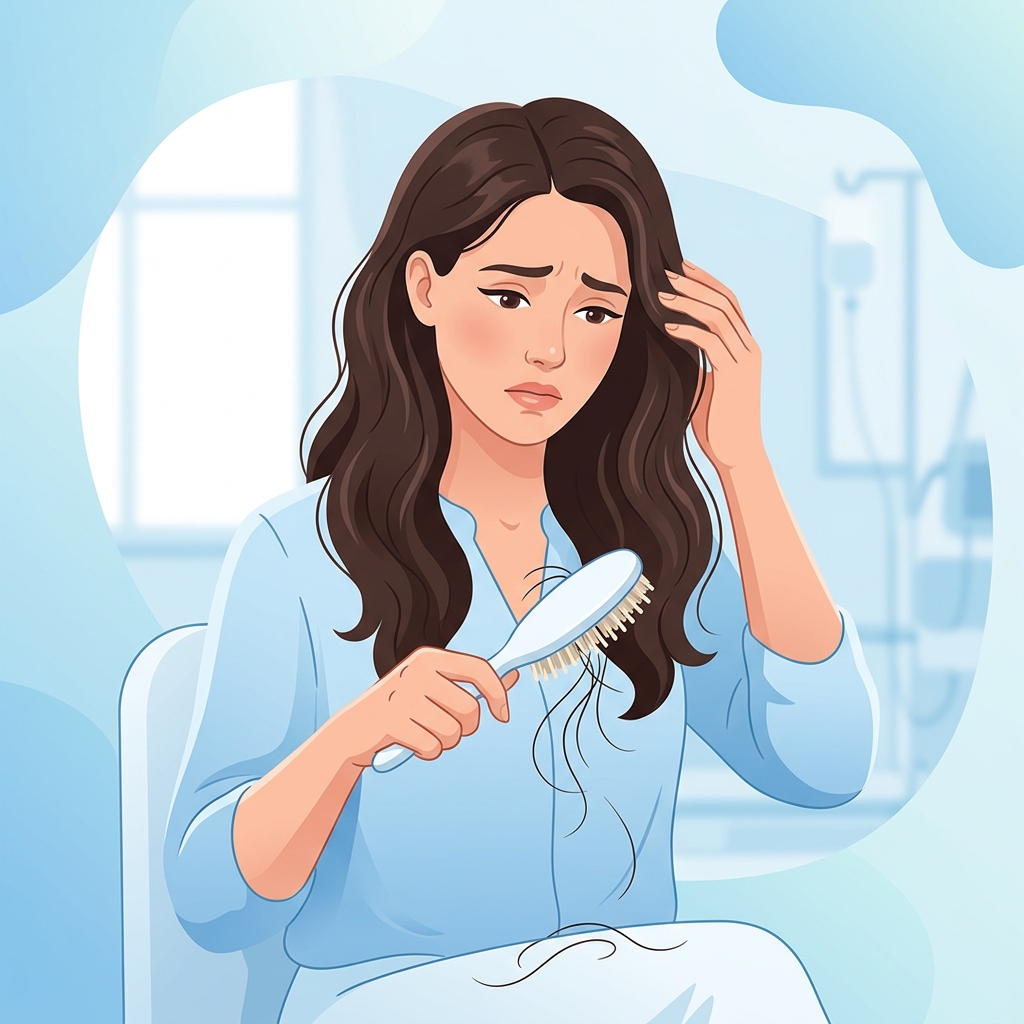
One of the most unexpected concerns people have after starting GLP-1 weight loss injections is hair fall. After noticing positive changes on the weighing scale, some patients begin asking:
If you're considering GLP-1 weight loss injections Mumbai or have already started treatment, it's important to know that mild hair shedding can occur during significant weight loss—but it is usually related to the weight loss process itself rather than the medication directly.
Let's understand why this happens and what you can do to protect your hair.
The short answer is: Probably not.
Current research suggests that medications such as semaglutide and tirzepatide are not believed to directly damage hair follicles. Instead, hair shedding is more commonly associated with:
Hair loss has been reported by some people using GLP-1 medications, but experts believe the weight-loss process itself is often the primary reason.
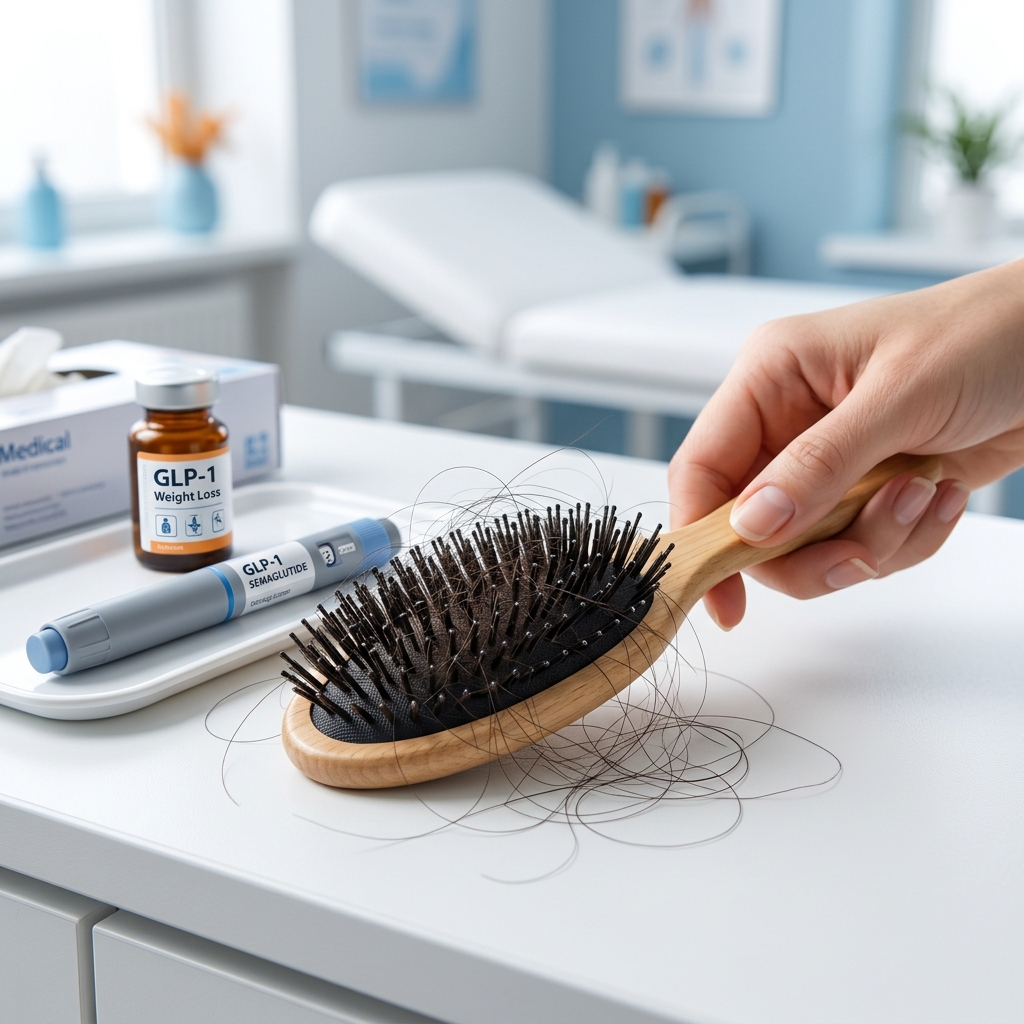

Hair grows in cycles. Normally, most hairs are actively growing while a small percentage naturally sheds each day. When the body experiences a major physical change—such as significant weight loss—it may temporarily shift more hairs into the resting phase.
Several weeks or months later, these hairs begin to shed. This condition is known as telogen effluvium—one of the most common causes of temporary hair shedding after:
Most patients notice increased hair fall 2–4 months after significant weight loss begins—long after treatment has started—which often surprises patients.
While GLP-1 medications reduce appetite, they may also make it easier to unintentionally eat too little. Low intake of key nutrients may contribute to hair shedding. Important nutrients include:
Hair is primarily made of protein. Inadequate protein intake may increase hair loss during weight reduction.
Low iron levels are a common cause of hair shedding, particularly in women.
Zinc supports healthy hair follicles and normal hair growth.
Vitamin D deficiency has been linked to several types of hair loss.
Reduced intake may affect healthy hair growth over time.
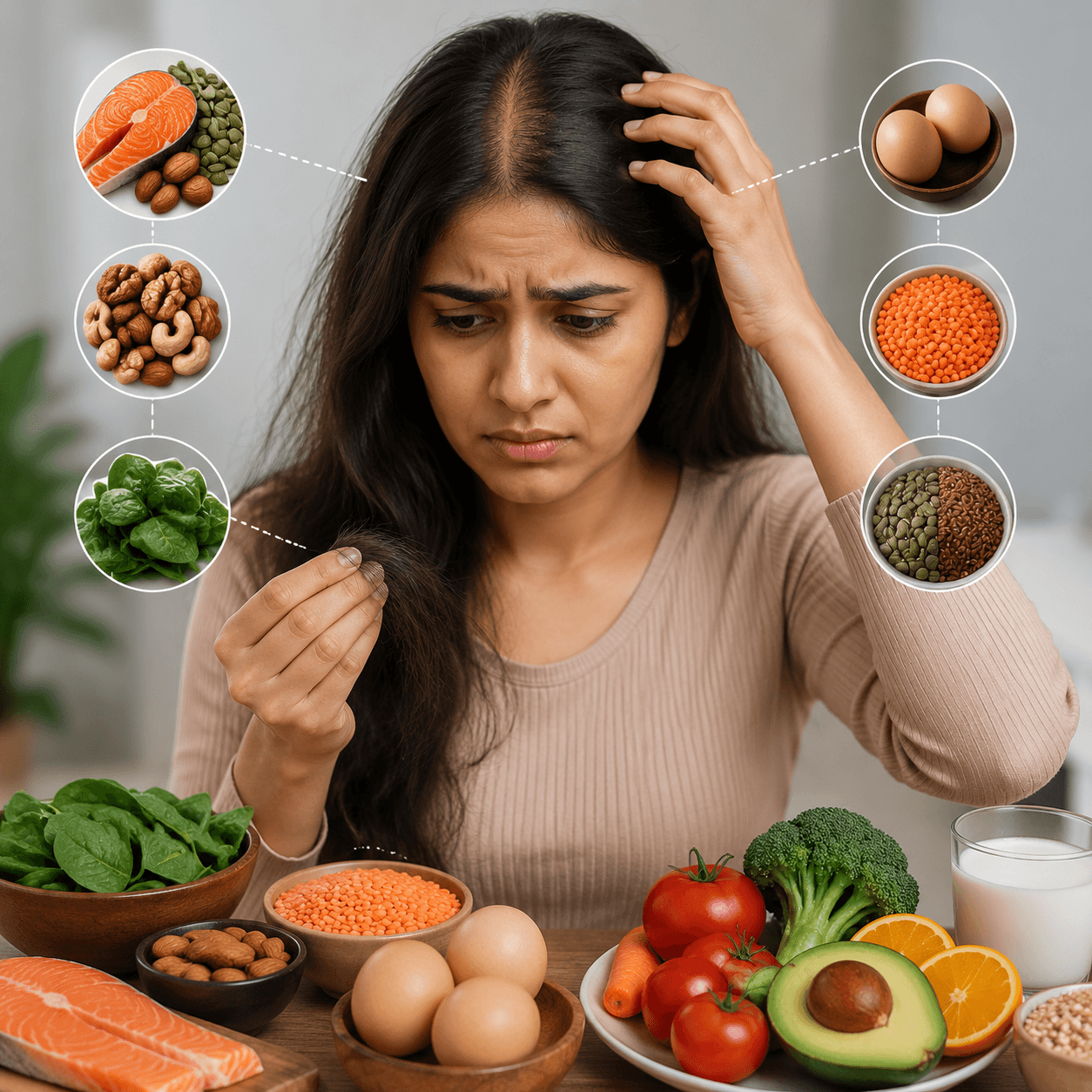
Your body prioritizes essential organs over hair growth. When calorie intake drops significantly, the body may temporarily redirect nutrients toward vital functions. As a result:
This is a normal biological response to rapid weight loss.
Yes. The faster the weight loss, the greater the likelihood of temporary hair shedding. This is why obesity specialists often encourage:
No. Many patients complete GLP-1 treatment without noticing any significant change in their hair. The risk varies depending on:
For most people, yes. Hair shedding caused by rapid weight loss is usually temporary. As your weight stabilizes, nutrition improves, and your body adapts, hair growth often gradually returns over the following months. Patience is important because hair growth naturally occurs slowly.
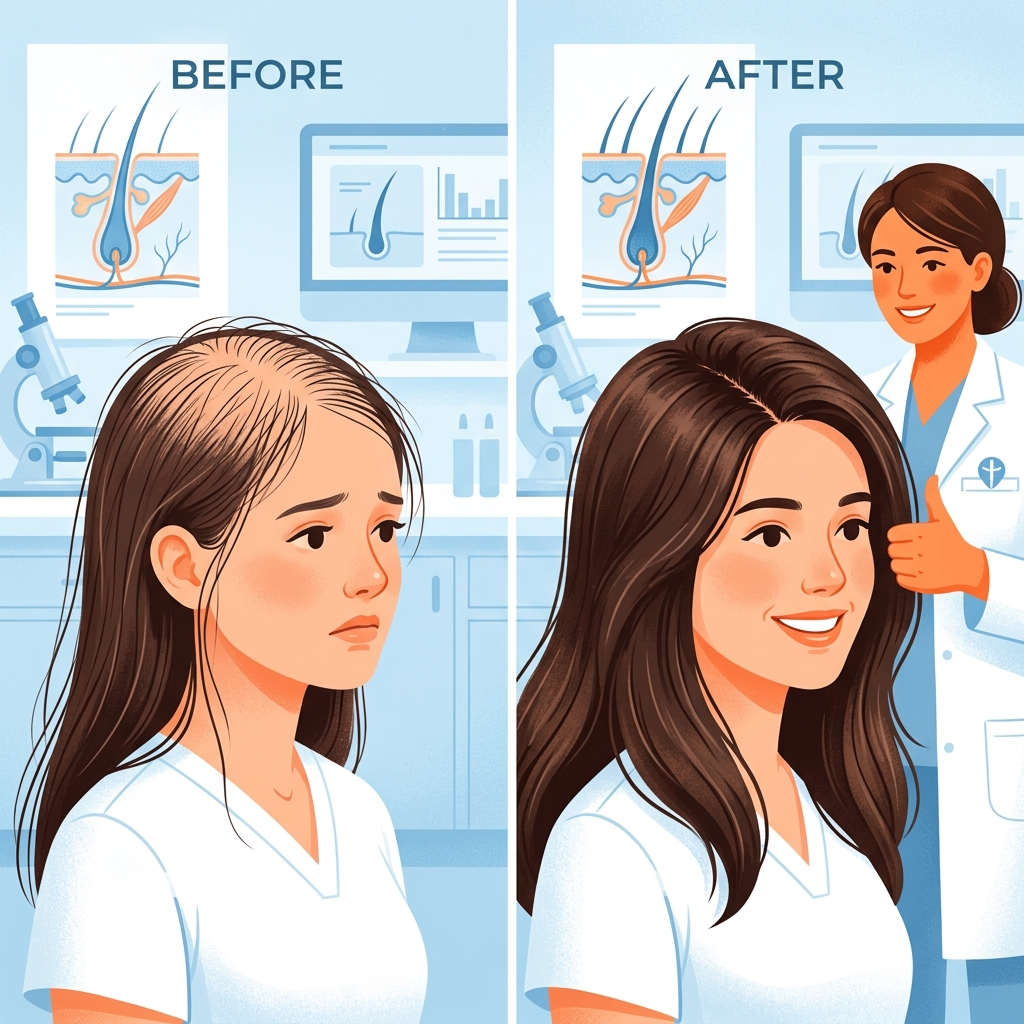
Fortunately, there are several practical ways to reduce the risk:
Protein is essential for hair growth, muscle preservation, and recovery during weight loss. Include eggs, chicken, fish, paneer, Greek yogurt, lentils, and tofu in your diet.
Follow your prescribed treatment plan, eat balanced meals, and avoid extremely low-calorie diets that increase the likelihood of hair shedding.
Hydration supports overall health, including healthy skin and scalp function. Drink water regularly throughout the day.
Your doctor may recommend testing for iron, ferritin, Vitamin D, B12, zinc, and thyroid function. Correcting deficiencies often supports healthy hair regrowth.
Regular reviews help your healthcare provider monitor weight loss progress, nutritional status, side effects, and overall treatment response.
Aim for a protein intake recommended by your healthcare provider or dietitian. These foods are excellent, hair-friendly protein sources:
Should You Stop GLP-1 Treatment Because of Hair Fall?
In most cases, no. Temporary hair shedding is not usually a reason to stop treatment. Always discuss your symptoms with your healthcare provider first.

Not all hair shedding is related to weight loss. Other possible causes include:
If hair loss is severe, patchy, or continues for several months, further medical evaluation is important.
Currently, there is no strong evidence to suggest that one GLP-1 medication causes more hair loss than another. Hair shedding appears to be linked more closely to the amount of weight lost, how quickly weight is lost, and nutritional intake—rather than the specific medication itself.
A medically supervised weight loss program focuses on more than reducing body weight. It also helps protect:
Healthcare professionals can identify potential nutritional gaps early and help minimize unwanted side effects.
The demand for GLP-1 weight loss injections Mumbai continues to grow because these treatments address obesity through evidence-based medical care. When combined with balanced nutrition, adequate protein, lifestyle modifications, and regular medical monitoring, patients can achieve healthier, more sustainable weight loss while minimizing complications such as temporary hair shedding.
Experiencing some hair shedding during significant weight loss can be worrying, but in many cases, it is a temporary response to rapid weight reduction rather than a direct side effect of GLP-1 medications.
For individuals considering GLP-1 weight loss injections Mumbai, understanding the connection between weight loss and temporary hair shedding can help set realistic expectations and reduce unnecessary anxiety. Remember, successful weight management isn't just about losing weight—it's about maintaining your overall health throughout the journey.
The best way to protect your hair during treatment:
Common questions about hair fall and GLP-1 weight loss injections