Follow Us:


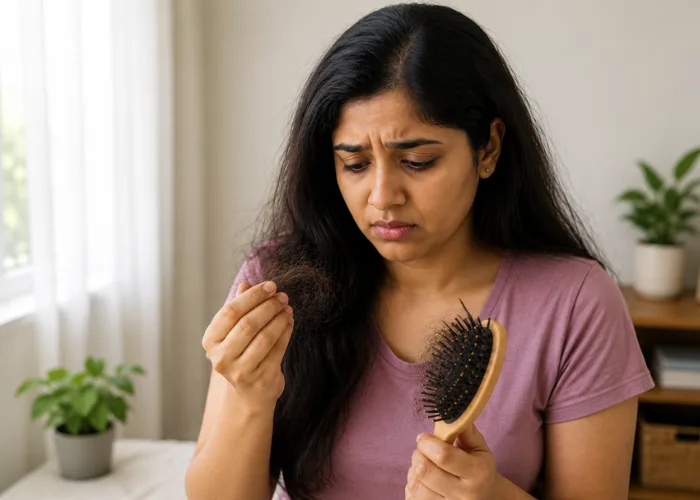
Losing weight is a major achievement that can improve your overall health, lower the risk of chronic diseases, and boost your confidence. However, for some people, the journey comes with an unexpected concern—increased hair fall.
It's not uncommon to notice more hair on your pillow, in the shower, or on your hairbrush a few months after starting a weight loss program. This often leads to questions like:
The good news is that in most cases, hair loss during weight loss is temporary and treatable. It is usually related to rapid weight loss, nutritional deficiencies, or the body's natural response to physical stress—not permanent damage to your hair follicles.
If you're pursuing weight loss in Mumbai or undergoing treatment with weight loss injections in Mumbai, understanding why hair fall occurs and how to prevent it can help you continue your journey with confidence.
Yes, it can be.
Many people experience temporary hair shedding after losing a significant amount of weight, regardless of whether the weight loss is achieved through:
The important point is that hair loss is usually linked to the weight loss process rather than the treatment itself.
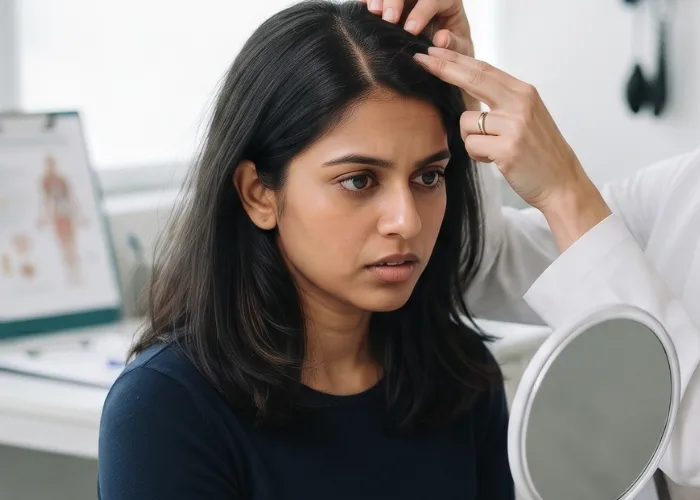
Hair grows in cycles.
At any given time:
When the body experiences a major physical change—such as rapid weight loss—more hair follicles may enter the resting phase at the same time.
A few months later, these hairs begin to shed.
This temporary condition is called Telogen Effluvium, one of the most common causes of hair loss after:
Fortunately, it is usually reversible.
Several factors may contribute to increased hair shedding.
Losing weight too quickly places stress on the body.
When calories drop dramatically, the body focuses on supporting vital organs rather than hair growth.
This temporary shift can lead to increased shedding.
Gradual, sustainable weight loss is generally better for both your overall health and your hair.
Hair is made primarily of keratin, a structural protein.
When protein intake is too low, the body may slow hair production to conserve nutrients.
Low protein intake may also cause:
Good protein sources include:
Iron deficiency is one of the most common causes of hair thinning, especially in women.
Low iron levels reduce oxygen delivery to hair follicles, affecting normal growth.
Symptoms may include:
Women with heavy menstrual bleeding, vegetarian diets, or PCOS may be more susceptible.
Vitamin D plays an important role in healthy hair follicle function.
Low levels are common in people with obesity and may contribute to excessive hair shedding.
Vitamin B12 supports healthy cell growth and red blood cell production.
Deficiency may lead to:
People following vegetarian or vegan diets are at higher risk.
Zinc is involved in tissue repair and hair follicle health.
Low zinc levels may contribute to:
Even positive changes like successful weight loss place temporary stress on the body.
Physical stress can disrupt the normal hair growth cycle, leading to increased shedding several months later.
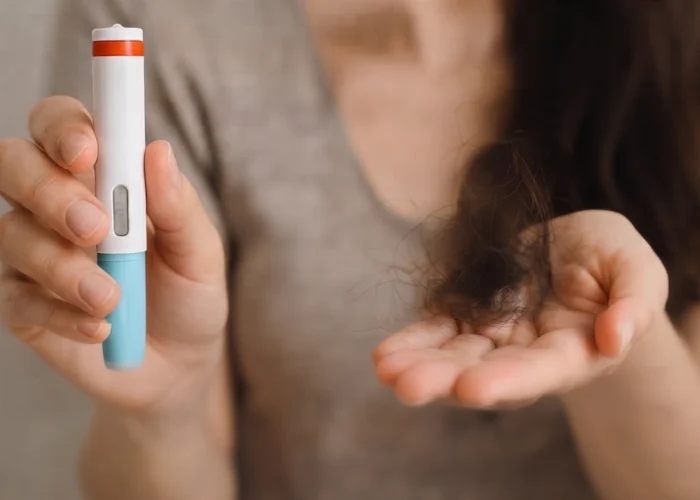
This is one of the most frequently asked questions.
The answer is: Not directly.
Current evidence suggests that medications such as GLP-1 receptor agonists do not damage hair follicles.
Instead, hair shedding is usually associated with:
Patients receiving weight loss injections in Mumbai often experience excellent results while maintaining healthy hair when they follow a balanced nutrition plan.
Hair shedding rarely begins immediately.
Most people notice increased hair fall:
This delay often causes confusion because the hair loss appears long after the weight loss has started.
In most cases, yes.
Because Telogen Effluvium is temporary, hair usually begins to recover once:
Hair regrowth may take several months, so patience is important.
Although some temporary shedding may still occur, the following steps can significantly reduce the risk.
Include protein with every meal.
Aim for balanced meals containing:
Protein supports both muscle preservation and healthy hair growth.
Extremely low-calorie diets increase the risk of:
Healthy weight loss should be gradual and sustainable.
Water supports healthy circulation and scalp function.
Aim to drink fluids consistently throughout the day.
Focus on foods rich in:
These nutrients support normal hair growth.
Resistance exercise helps preserve muscle during weight loss.
Maintaining muscle supports overall health and reduces the risk of excessive nutrient loss.
Aim for strength training at least two to three times per week.
Hair growth is influenced by overall health.
Poor sleep may:
Aim for 7–9 hours of quality sleep each night.
Not necessarily.
Many people start supplements without knowing the actual cause of their hair loss.
Instead, your doctor may recommend blood tests to evaluate:
Treating confirmed deficiencies is usually more effective than taking multiple supplements unnecessarily.

Consult a healthcare professional if:
Early evaluation helps identify any underlying medical conditions.
False.
Hair loss is generally linked to rapid weight loss and nutritional deficiencies—not the medication itself.
False.
Most cases improve once nutrition and body weight stabilize.
False.
Eating too little increases the risk of nutrient deficiencies, muscle loss, and hair shedding.
Healthy weight loss requires balanced nutrition.
A medically supervised weight-loss program focuses on more than just reducing body weight.
It also helps protect:
Regular follow-up allows your healthcare provider to:
This comprehensive approach supports healthier and more sustainable weight loss.

At MOH Clinic, we understand that successful weight loss is about improving your health—not creating new concerns.
Our medically supervised programs combine:
Whether you're beginning your journey or looking to maintain your progress, our goal is to help you lose weight safely while supporting your overall wellbeing, including healthy hair.
Hair loss during weight loss can be unsettling, but it is often a temporary part of your body's adjustment process rather than a sign that something is seriously wrong.
By focusing on balanced nutrition, adequate protein, gradual weight loss, and regular medical follow-up, you can reduce the risk of excessive hair shedding while continuing to achieve your health goals.
Remember:
Concerned about hair loss during your weight loss journey? Book a consultation at MOH Clinic to receive a personalized assessment, nutritional guidance, and a medically supervised weight loss plan designed to support both your health and your hair.
Schedule a consultation with our specialists to learn whether weight loss injections in Mumbai are right for you and receive a personalized treatment plan based on your health, goals, and medical evaluation.
Book Consultation