Follow Us:


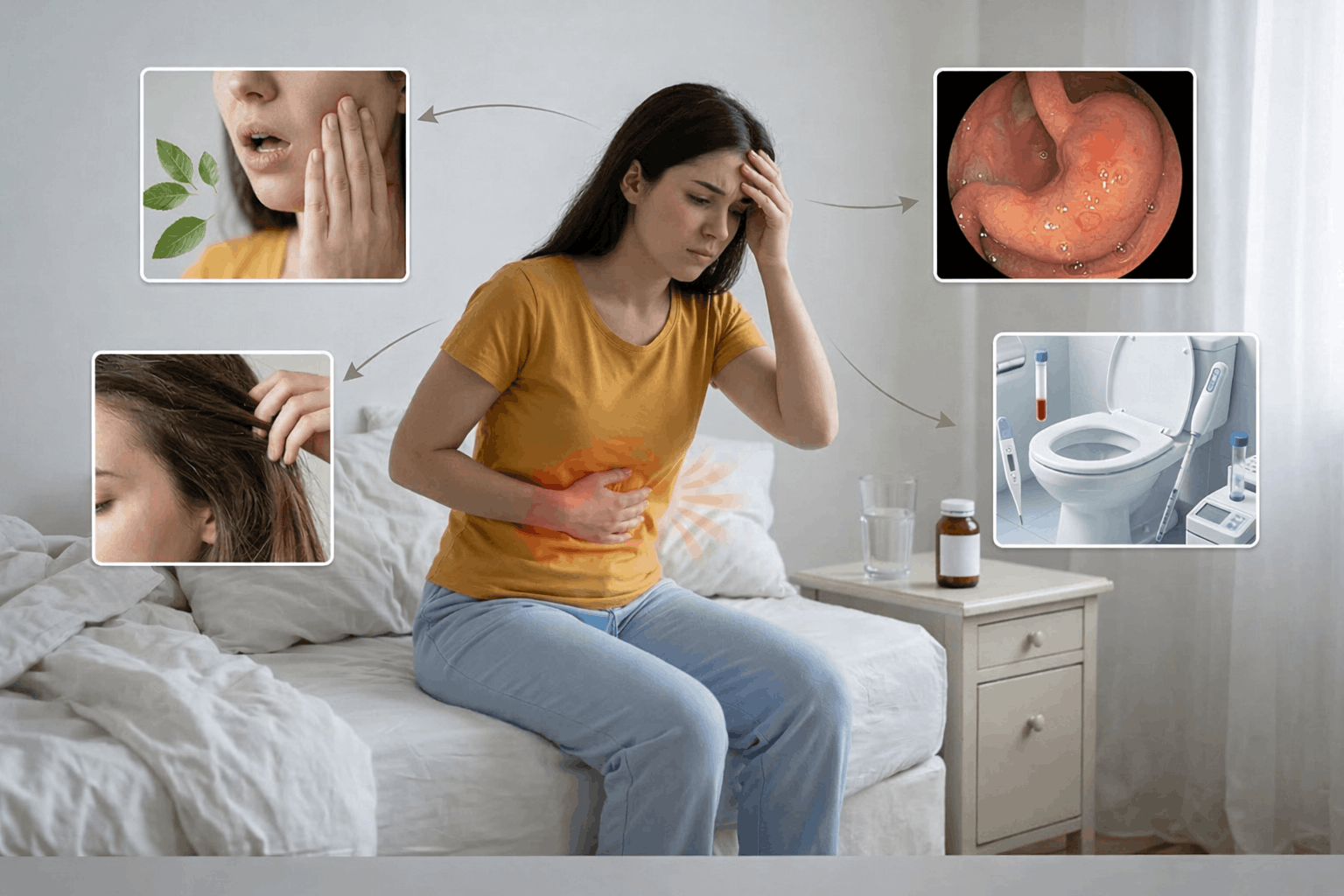
Weight gain is not always a result of overeating or lack of exercise—especially for women. In many cases, the underlying cause is hormonal imbalance. Hormones play a crucial role in regulating metabolism, appetite, fat storage, and energy levels. When these hormones are disrupted, it can lead to unexplained and persistent weight gain.
Hormonal weight gain often feels frustrating because traditional methods like dieting and exercise may not deliver expected results. This is where modern medical approaches, including Weight Loss Injections, are changing the way weight management is treated.
At clinics offering advanced care, such as MOH Clinics, treatments now focus on identifying the root cause and using targeted solutions like GLP-1 weight loss injections to support sustainable results.

Hormonal weight gain occurs when imbalances in key hormones affect how the body stores fat and uses energy. Unlike lifestyle-related weight gain, this type is often resistant to conventional weight loss strategies.
Hormones influence:
When these systems are disrupted, the body tends to hold onto fat, especially in areas like the abdomen, thighs, and hips.
Understanding the root cause is essential for choosing the right treatment approach.
When the body becomes resistant to insulin, it produces more of it, leading to increased fat storage—especially belly fat.
PCOS is one of the leading causes of hormonal weight gain in women. It affects insulin levels, metabolism, and fat distribution.
An underactive thyroid (hypothyroidism) slows down metabolism, making it easier to gain weight and harder to lose it.
Chronic stress increases cortisol levels, which promotes fat accumulation, particularly around the abdomen.
Fluctuations in estrogen levels, especially during menopause, can lead to weight gain and changes in fat distribution.
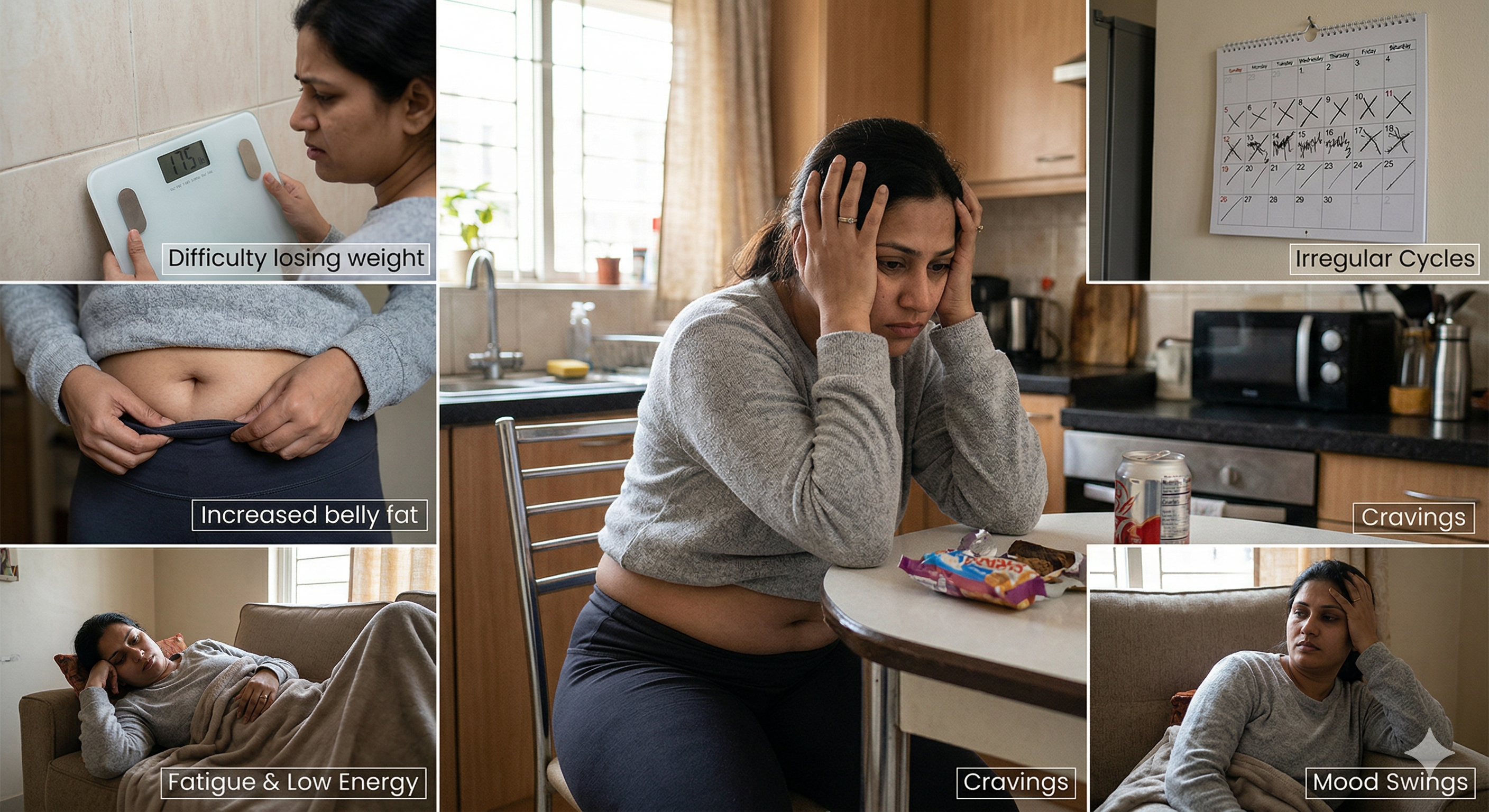
Hormonal weight gain is often accompanied by other noticeable signs:
If you experience multiple symptoms, it may indicate an underlying hormonal issue that requires medical evaluation.
Many women find themselves stuck despite following strict diet and workout routines. This is because hormonal imbalances affect the body at a deeper level.
For example:
Without addressing these factors, weight loss efforts may not be effective. This is why medical treatments, including Weight Loss Injections, are gaining popularity.
Modern weight management focuses on treating the root cause rather than just reducing calories.
Doctors assess hormone levels to identify imbalances affecting weight.
Customized diet and exercise plans help support metabolic health.
Certain medications may be prescribed to regulate hormones and improve metabolism.
One of the most effective modern solutions is the use of Weight Loss Injection therapies, particularly GLP-1 weight loss injections.
GLP-1 (glucagon-like peptide-1) is a hormone that regulates appetite and blood sugar levels.
GLP-1 weight loss injections work by:
This makes them especially effective for women dealing with insulin resistance, PCOS, and metabolic issues.
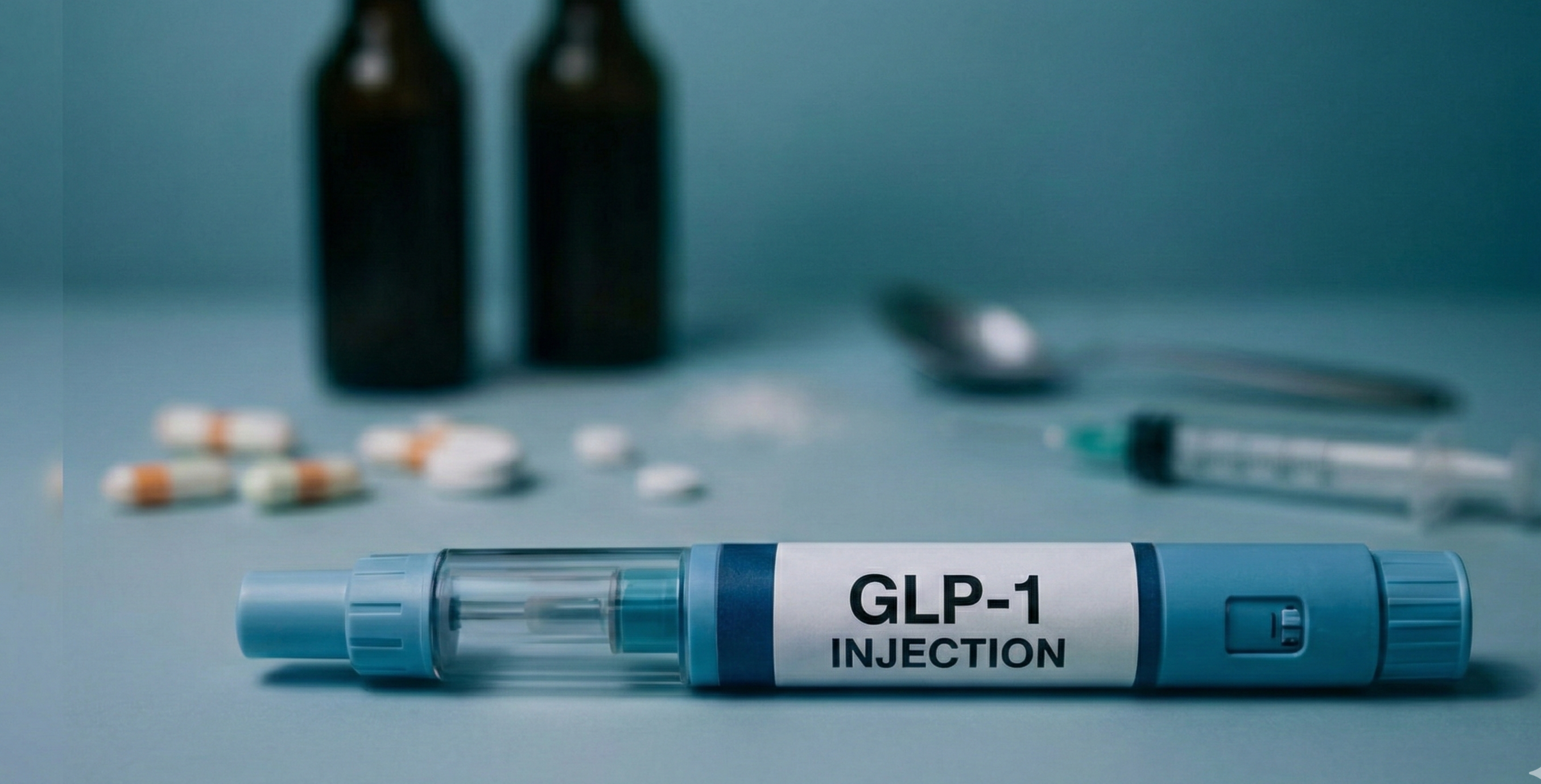
When used under medical supervision, Weight Loss Injections offer several advantages:
Helps reduce overeating and emotional eating.
Supports better energy utilization and fat burning.
Promotes gradual and long-term results.
Indirectly improves hormonal health by stabilizing insulin and metabolism.
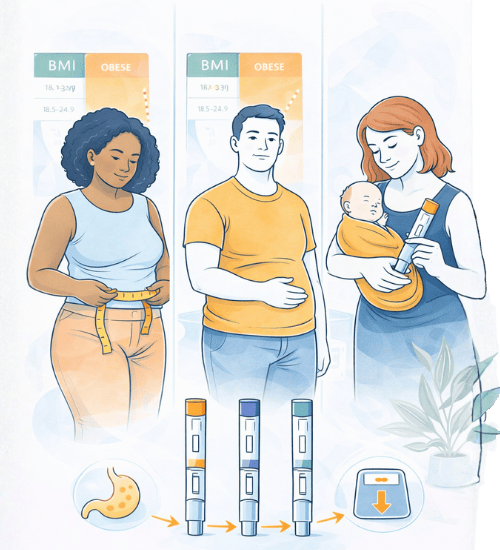
Weight loss injections may be suitable for women who:
Consulting a specialist is essential to determine the right treatment approach.
A structured medical weight loss program typically includes:
Detailed evaluation of health history and hormonal profile.
Customized treatment plan including medication, diet, and lifestyle guidance.
Regular follow-ups to track progress and adjust treatment.
Patients often notice reduced appetite and improved energy levels within the first few weeks.
Hormonal weight gain requires a specialized and personalized approach.
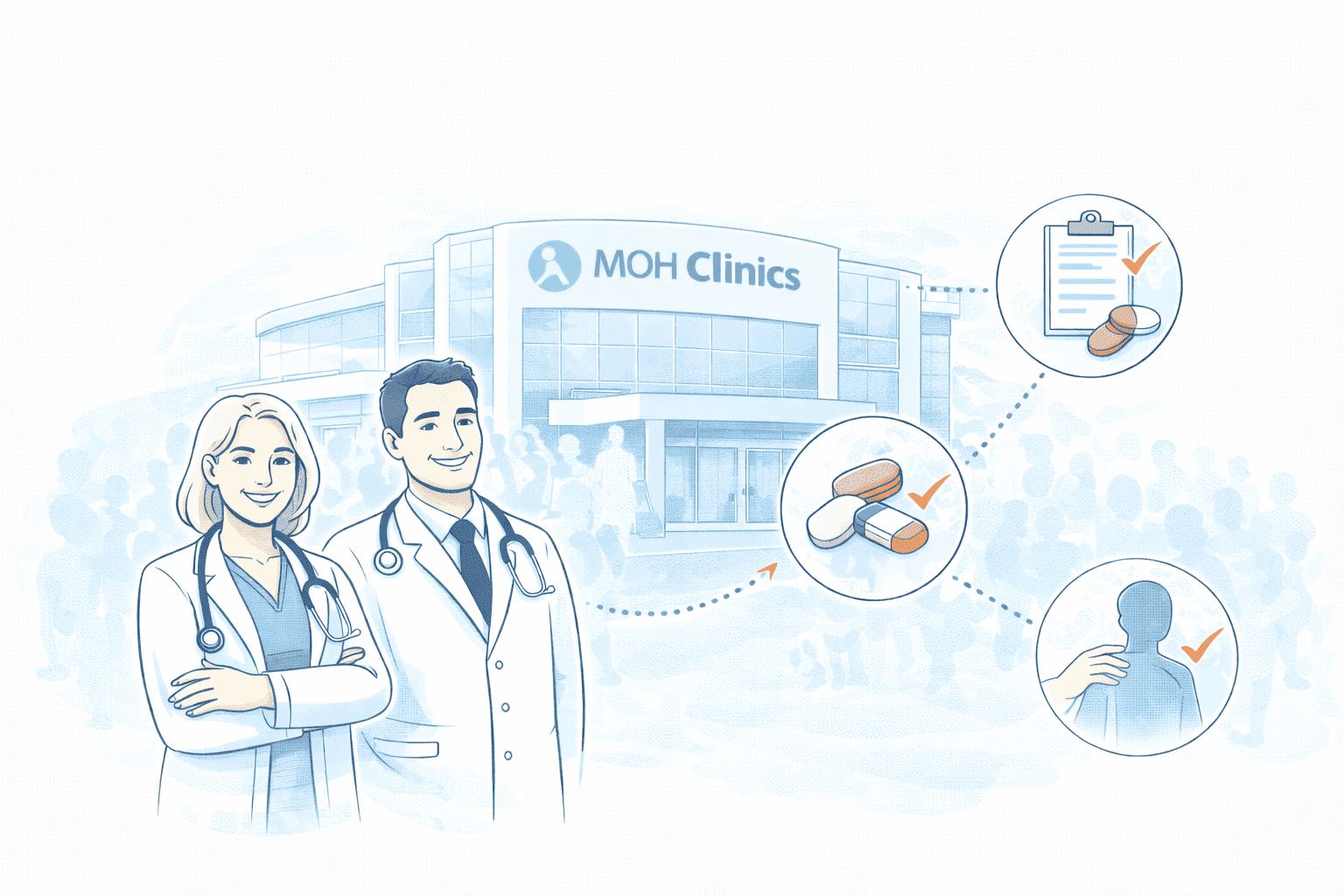
At MOH Clinics, treatment focuses on:
This ensures not just weight loss, but overall improvement in health and well-being.
Even with medical treatments, lifestyle habits remain important.
For best results:
Weight loss injections make it easier to follow these habits by reducing hunger and stabilizing energy levels.
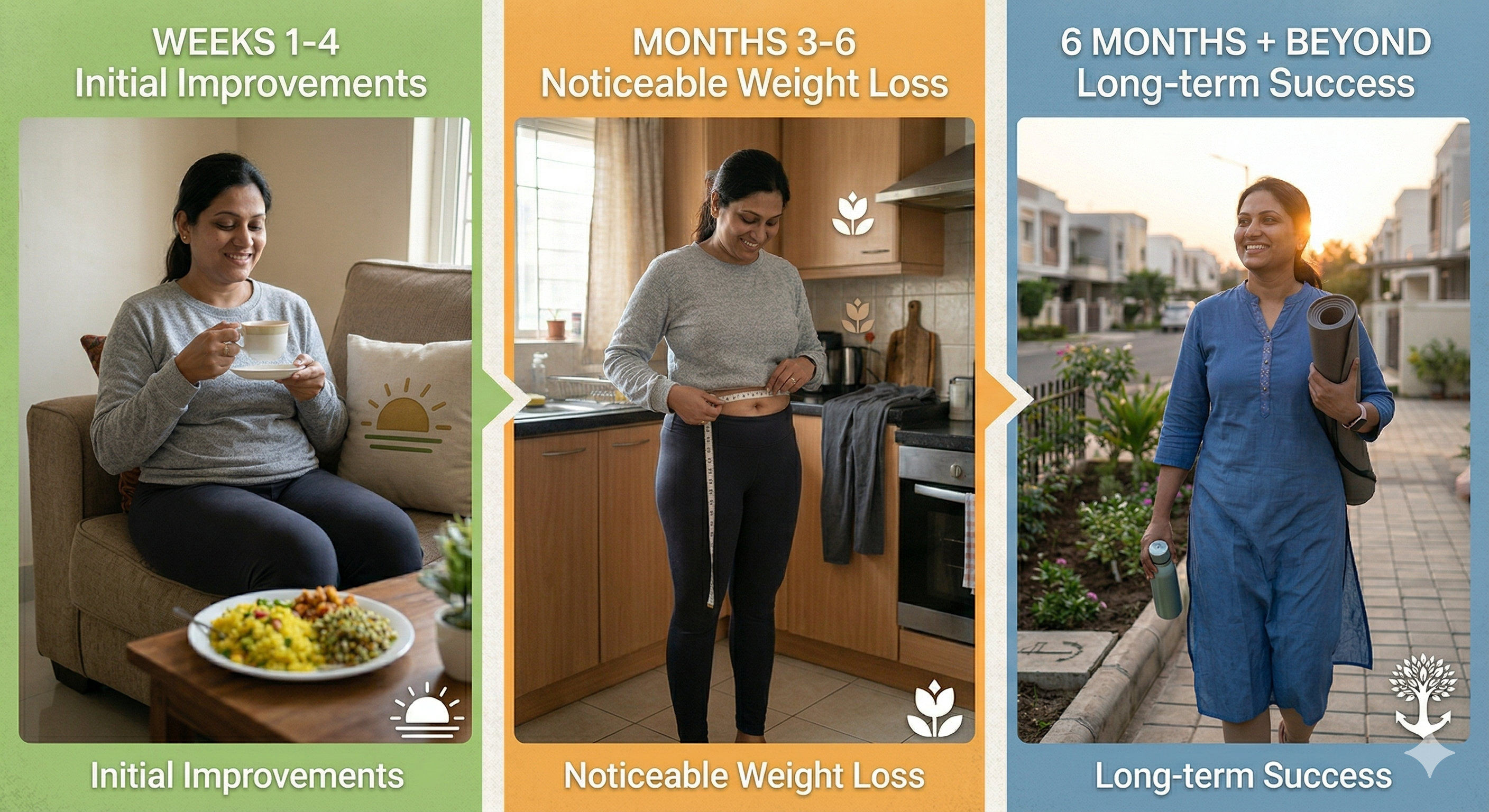
Hormonal weight loss is a gradual process. With the right treatment:
Treatments like GLP-1 weight loss injections help create sustainable changes rather than temporary results.
Hormonal weight gain in women is complex and often misunderstood. It is not simply about willpower or discipline—it’s about how your body functions internally.
By addressing the underlying hormonal imbalances, modern treatments offer a more effective path to weight management. Options like Weight Loss Injections provide a science-backed approach that supports both fat loss and metabolic health.
If you are struggling with unexplained weight gain, seeking professional guidance can make a significant difference. At MOH Clinics Mumbai, personalized care and advanced treatments help women regain control over their health and achieve long-term, sustainable results.