Follow Us:



This is one of the most frustrating experiences people face during weight loss.
You:
And yet…
👉 The scale barely moves.
At some point, many people begin blaming themselves.
But modern obesity science has revealed something important:
Weight loss is not controlled by calories alone.
It is heavily influenced by hormones.
That’s why many patients visiting MOH Clinics, a trusted obesity clinic Mumbai, discover that their biggest challenge isn’t lack of effort—it’s how their body is functioning internally.

Traditional weight loss advice focuses on:
While this matters, it ignores one major reality:
Your body is controlled by chemical messengers called hormones.
These hormones influence:
If these signals become imbalanced, losing weight becomes much harder—even with dieting.

Two people can eat similar meals and exercise similarly…
Yet:
Why?
Because hormones determine:
This is why obesity treatment today is becoming more medically focused rather than just diet-focused.
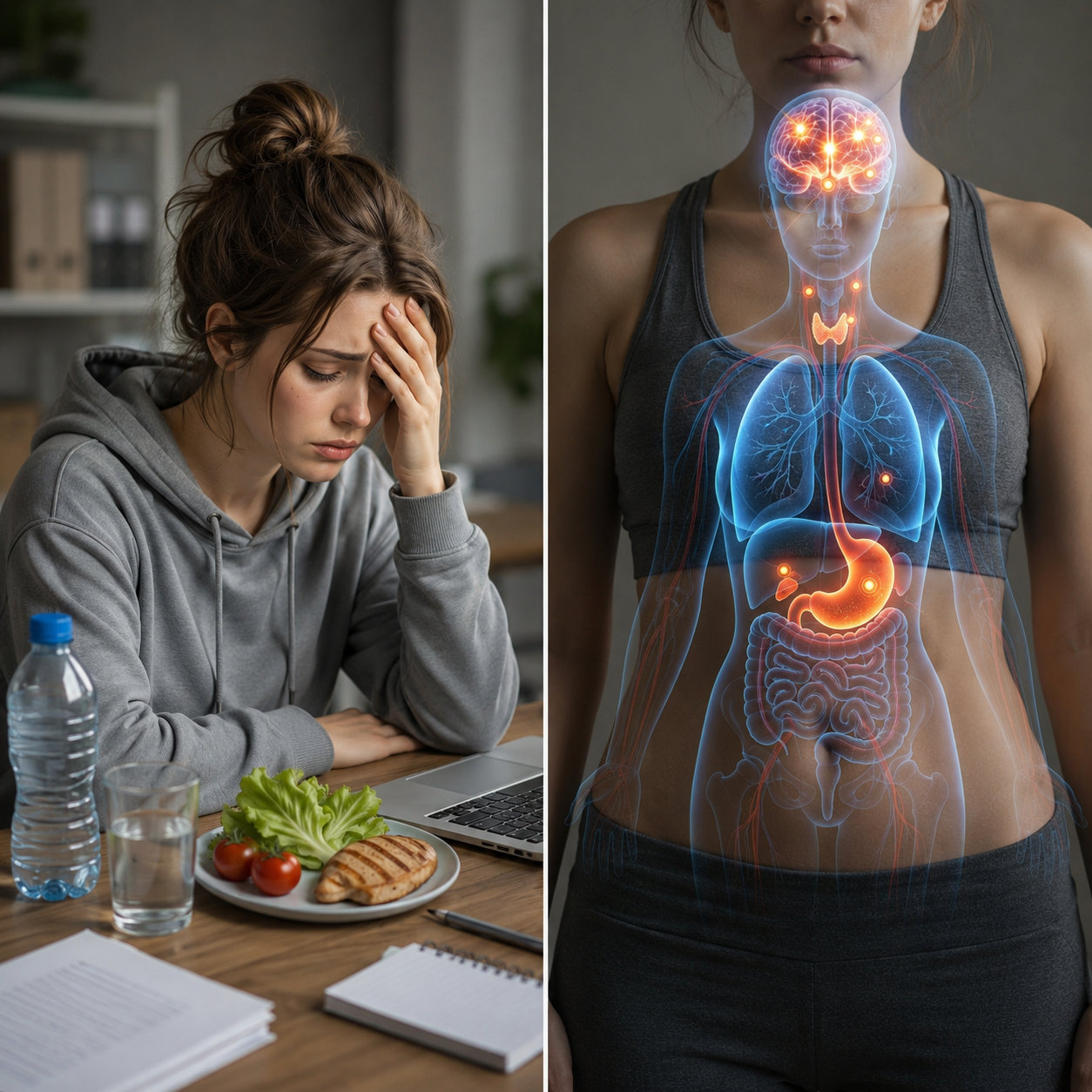
Let’s simplify the science.
Insulin controls blood sugar levels.
But it also influences:
👉 Fat storage.
When insulin levels remain high for long periods:
This is common in:
And this is one reason many people struggle despite dieting.
Chronic stress changes the body dramatically.
High cortisol levels may:
This is why stress-related weight gain is real—not imagined.
Leptin tells the brain:
👉 “You’ve eaten enough.”
But in obesity, the brain may stop responding properly to leptin signals.
This leads to:
Even after a full meal.
Ghrelin increases appetite.
Crash dieting often raises ghrelin levels dramatically.
That’s why extreme diets usually lead to:
Your body thinks it’s starving—and fights back.

Many people assume:
“If I’m not losing weight, I must lack discipline.”
But often:
👉 Your hormones are resisting weight loss.
This creates:
Here’s what happens during aggressive dieting:
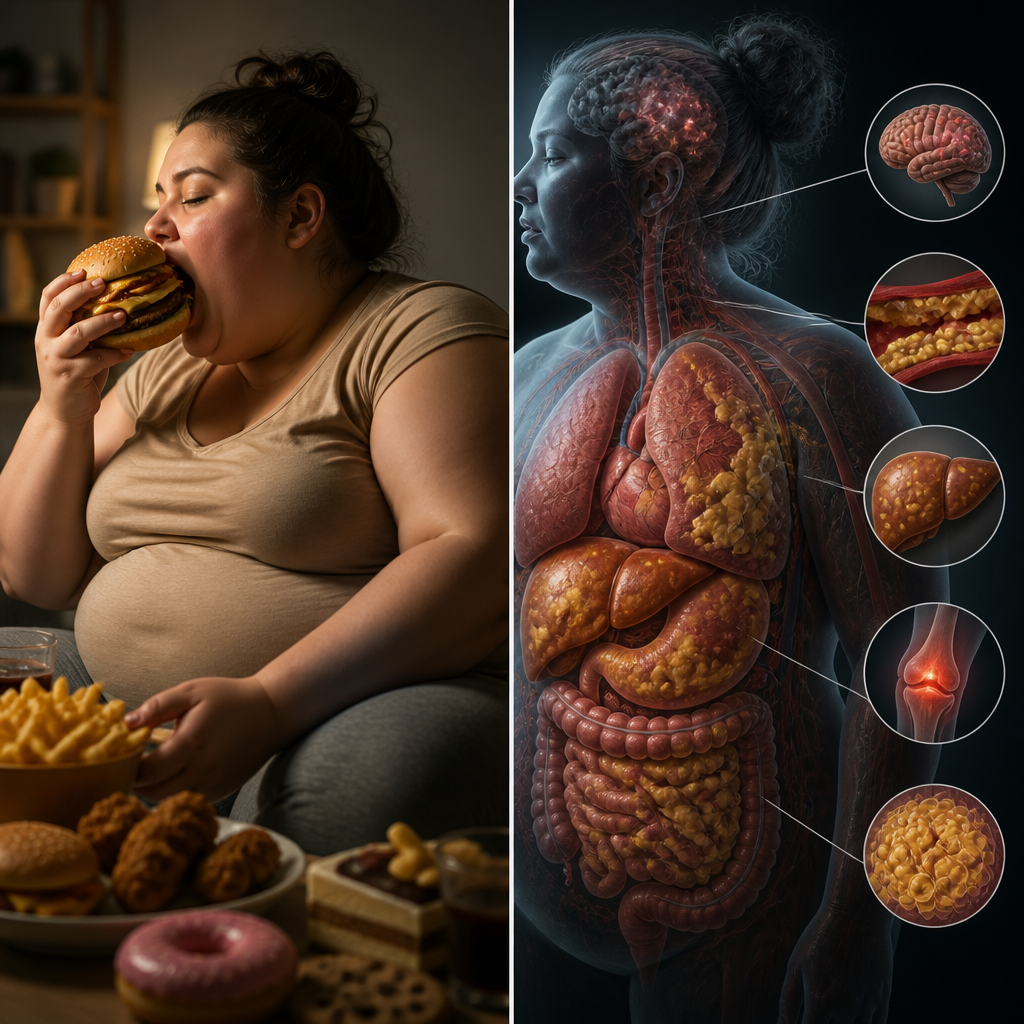

Modern obesity treatment is now focusing on:
Instead of simply forcing calorie restriction.
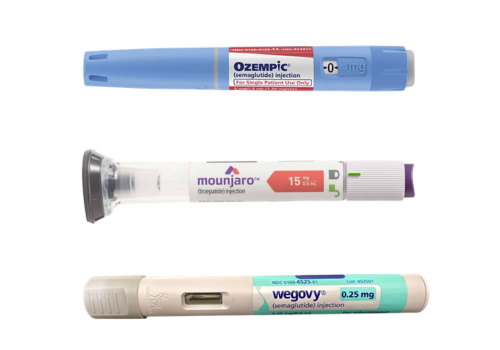
This is where treatments like a weight loss injection come into the picture.
Many advanced injections work on hormones involved in appetite and metabolism.
They help:
This is why medically supervised programs often feel more sustainable than extreme dieting.
Abdominal fat is strongly linked to:
That’s why belly fat often becomes stubborn even when body weight changes slightly.
At MOH Clinics, treatment plans focus on identifying these deeper causes instead of only focusing on calorie counting.
Poor sleep can disrupt:
This can lead to: Increased cravings, Late-night hunger, Slower recovery. Even one week of poor sleep can affect weight regulation.


Exercise is important—but it’s not always enough when hormones are severely dysregulated.
For example:
This is why some people exercise consistently and still struggle with weight loss.
Older approach:
❌ Generic diets for everyone
Modern approach:
✔ Personalized metabolic treatment
At a leading obesity clinic Mumbai, treatment now considers:
This creates more realistic and sustainable outcomes.

One of the hardest parts is psychological.
People often feel:
But understanding the hormonal component can completely change perspective.
For many individuals:
👉 The issue is biological—not simply behavioral.
The most effective approach usually combines:
Sustainable weight loss is rarely about extremes. It’s about restoring balance.


Hormonal weight gain should never be self-diagnosed.
At MOH Clinics, patients receive:
This helps identify the real reason behind weight struggles instead of relying on generic advice.
Weight loss is not just about calories.
It’s deeply connected to:
That’s why dieting alone may not always work—especially when the body is fighting against you internally.
Understanding these hormonal mechanisms is often the first step toward more realistic, sustainable progress.
If you’re struggling with long-term weight gain and looking for expert support, consulting specialists at MOH Clinics, a trusted obesity clinic Mumbai, can help you explore personalized solutions, including medically supervised weight loss injection therapies when appropriate.