Follow Us:




For many people struggling with weight loss, the hardest part isn't knowing what to eat.
It's constantly thinking about food.
Thinking about the next snack.
Thinking about cravings.
Thinking about whether you're hungry, bored, stressed, or simply eating out of habit.
This is why many patients who start Ozempic injections often describe something surprising:
"I don't think about food the same way anymore."
While most people associate Ozempic with weight loss, many patients experience something deeper—a significant shift in their relationship with food.
For individuals exploring Ozempic Mumbai treatments or considering a weight loss injection in Mumbai, understanding this change can help explain why Ozempic works differently from traditional diets.
Most diets focus on one message:
Eat less.
The problem is that many people are constantly fighting hunger, cravings, and food temptations.
This creates a cycle of:
For years, obesity treatment focused primarily on willpower.
Today, researchers understand that appetite is heavily influenced by hormones and brain signals. Ozempic works by targeting these biological pathways rather than relying solely on self-control.
One of the earliest effects many patients notice is reduced hunger.
Before treatment, some individuals feel hungry shortly after eating.
Others constantly think about their next meal.
Ozempic works by mimicking GLP-1, a naturally occurring hormone involved in appetite regulation.
As a result, many patients experience:
Research has shown that semaglutide reduces hunger and prospective food consumption while increasing feelings of fullness and satiety.


A term that has become increasingly popular among Ozempic users is:
Food Noise
Food noise refers to:
Many patients report that Ozempic significantly reduces this internal chatter.
Studies examining eating behavior changes during GLP-1 therapy have documented reduced cravings, smaller portion sizes, and diminished food-related thoughts.
For some people, this mental freedom is more impactful than the weight loss itself.
One reason diets often fail is because people feel deprived.
Ozempic creates a different experience.
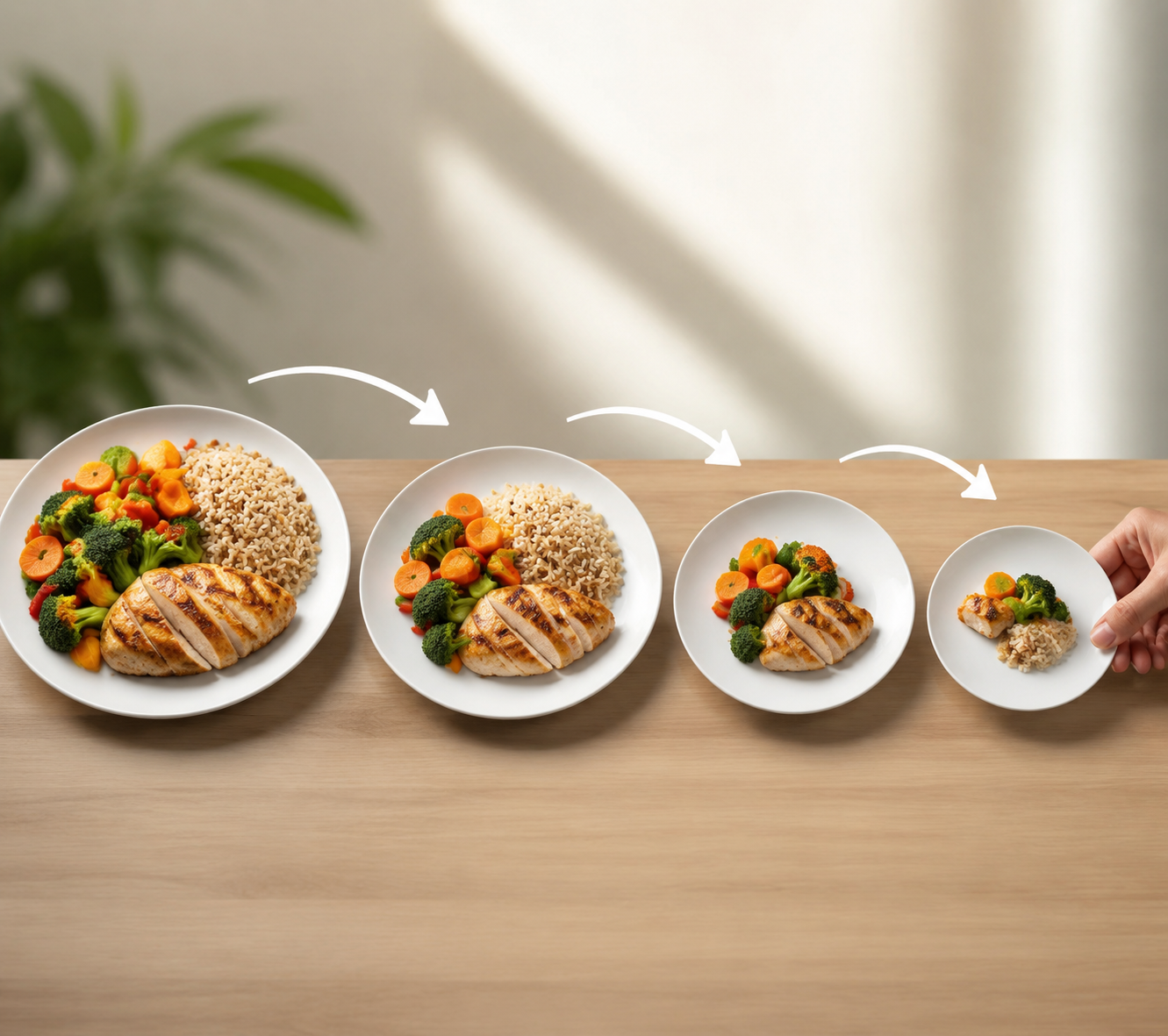
Instead of forcing smaller portions, many patients naturally become satisfied with less food.
You may notice:
Clinical studies have shown lower energy intake and improved eating control among individuals using semaglutide.

Many people begin Ozempic hoping to lose weight.
What surprises them is how their cravings change.
Research shows semaglutide is associated with:
Patients often report that foods they once found irresistible become easier to resist.
This doesn't mean cravings disappear completely.
Instead, they often become less intense and less frequent.
Food is not always about hunger.
Many people eat because they are:
This pattern is known as emotional eating.
Emerging evidence suggests GLP-1 medications influence brain regions involved in reward and motivation, which may help reduce food-driven coping behaviors in some individuals.
Some patients describe feeling more in control of food decisions rather than reacting automatically to emotions.

A fascinating effect reported by many Ozempic users is changing food preferences.
Some people find themselves less interested in:
Research has shown lower preference for high-fat foods and improved eating control during semaglutide treatment.
Rather than forcing healthier choices, patients often find healthier foods easier to choose.
For many individuals, food serves as a reward system.
Examples include:
Ozempic may alter how reward pathways respond to food-related cues.
Researchers believe GLP-1 medications can reduce the brain's reward response to highly palatable foods, making them less compelling.
As a result, food may gradually shift from being an emotional reward to simply being nourishment.
Although not everyone experiences this, some patients report that foods taste different while using Ozempic.
Emerging research suggests semaglutide may influence taste sensitivity for sweet, salty, sour, and bitter flavors.
This may partially explain why some individuals develop different food preferences during treatment.

Many people worry that Ozempic will make social eating difficult.
In reality, patients often describe a different experience.
Instead of struggling to control portions, they naturally feel satisfied with smaller meals.
Common observations include:
The social experience remains, but overeating becomes less common.
This is an important misconception.
Some people fear they will stop enjoying meals completely.
That is generally not the goal.
Most patients continue to enjoy food.
The difference is that:
The relationship with food becomes healthier rather than restrictive.
Over time, many patients begin developing habits that were previously difficult to maintain.
These include:
Because appetite regulation improves, healthy behaviors often feel more sustainable.
Many individuals have spent years repeating the same pattern:
Diet → Weight Loss → Cravings → Weight Regain
Ozempic may interrupt this cycle by addressing the biological drivers of hunger and overeating.
Research consistently demonstrates improvements in appetite control, food cravings, and eating behavior among semaglutide users.
This is one reason why medical weight loss is increasingly focusing on hormones and metabolism rather than simply calorie restriction.

One important thing to understand is that many of these appetite-regulating effects are linked to active treatment.
When Ozempic is discontinued, hunger and cravings often return to varying degrees.
Research shows that weight regain commonly occurs after stopping GLP-1 medications, highlighting the importance of building long-term habits during treatment.
This is why obesity specialists emphasize sustainable lifestyle changes alongside medication.

Interest in Ozempic Mumbai treatments continues to grow because people are beginning to understand that obesity is not simply a willpower problem.
Factors such as:
All influence eating behavior.
Ozempic helps address several of these biological factors simultaneously, making weight management feel more achievable for many patients.
Ozempic does much more than reduce appetite.
For many patients, it fundamentally changes how they think about food.
The most significant changes often include:
This shift in food behavior is one of the key reasons why Ozempic injections have become such an important advancement in medical weight management.
For individuals considering Ozempic Mumbai treatments or exploring a weight loss injection in Mumbai, understanding these behavioral and psychological changes is just as important as understanding the number on the scale.
Because long-term success isn't only about losing weight.
It's about building a healthier relationship with food.