Follow Us:


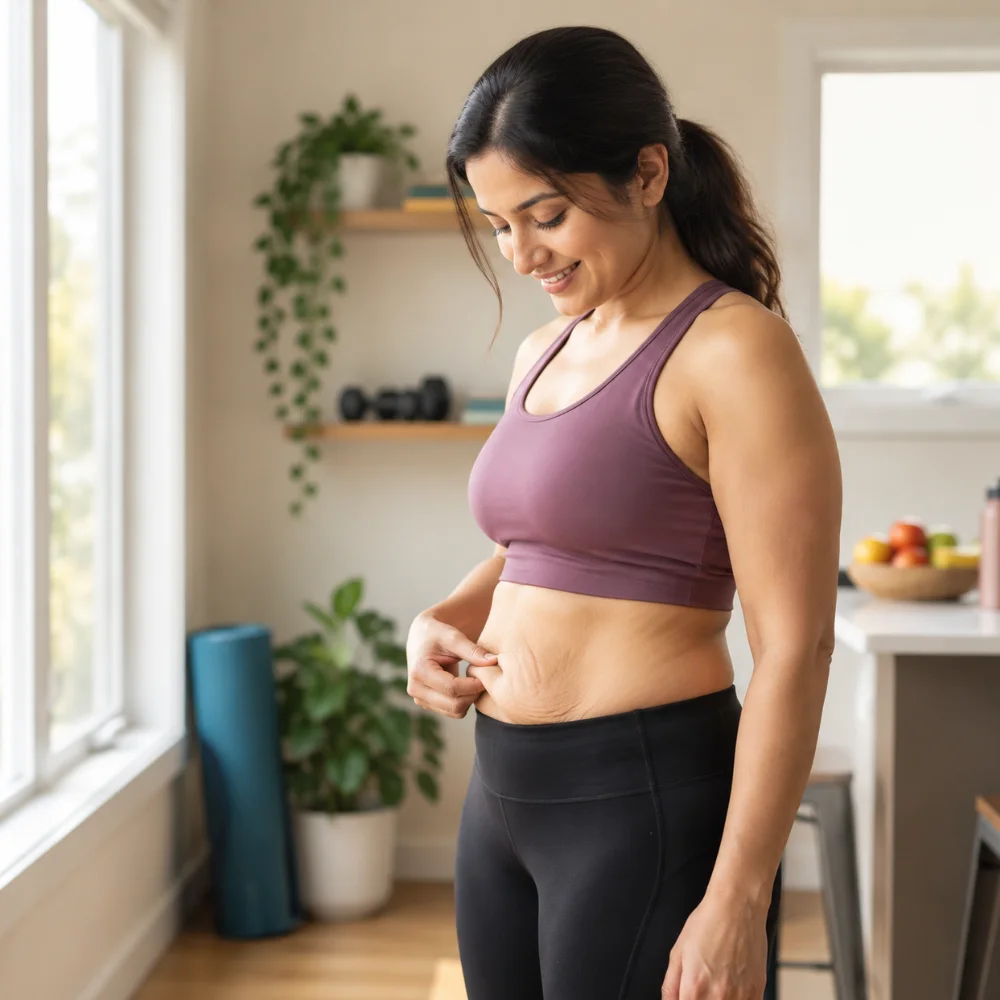
Losing excess weight can be a major health achievement, but it may also leave behind loose or sagging skin. This is particularly common after substantial weight loss, whether it occurs through lifestyle changes, bariatric surgery or medically supervised weight loss injections in Mumbai.
As the body becomes smaller, the skin does not always contract to match the new body shape. Some people notice only mild laxity that gradually becomes less visible, while others are left with folds of excess skin around the abdomen, arms, thighs or other areas.
Fortunately, there are several ways to improve the appearance of post-weight-loss skin. The appropriate approach depends on the amount of laxity, your current weight, skin quality and whether you are dealing with mild looseness or significant excess tissue.
Skin contains collagen and elastin, which provide structure and elasticity. When the body gains weight, the skin stretches to accommodate the increased volume.
After significant weight loss, the underlying fat and tissue decrease, but stretched skin may not completely contract.
The likelihood of loose skin can be influenced by:
This explains why two people who lose the same amount of weight can have very different skin changes.
Post-weight-loss skin changes can affect almost any area where significant volume has been lost.
The abdomen is one of the most commonly affected areas. Loose skin may be particularly noticeable around the lower stomach.
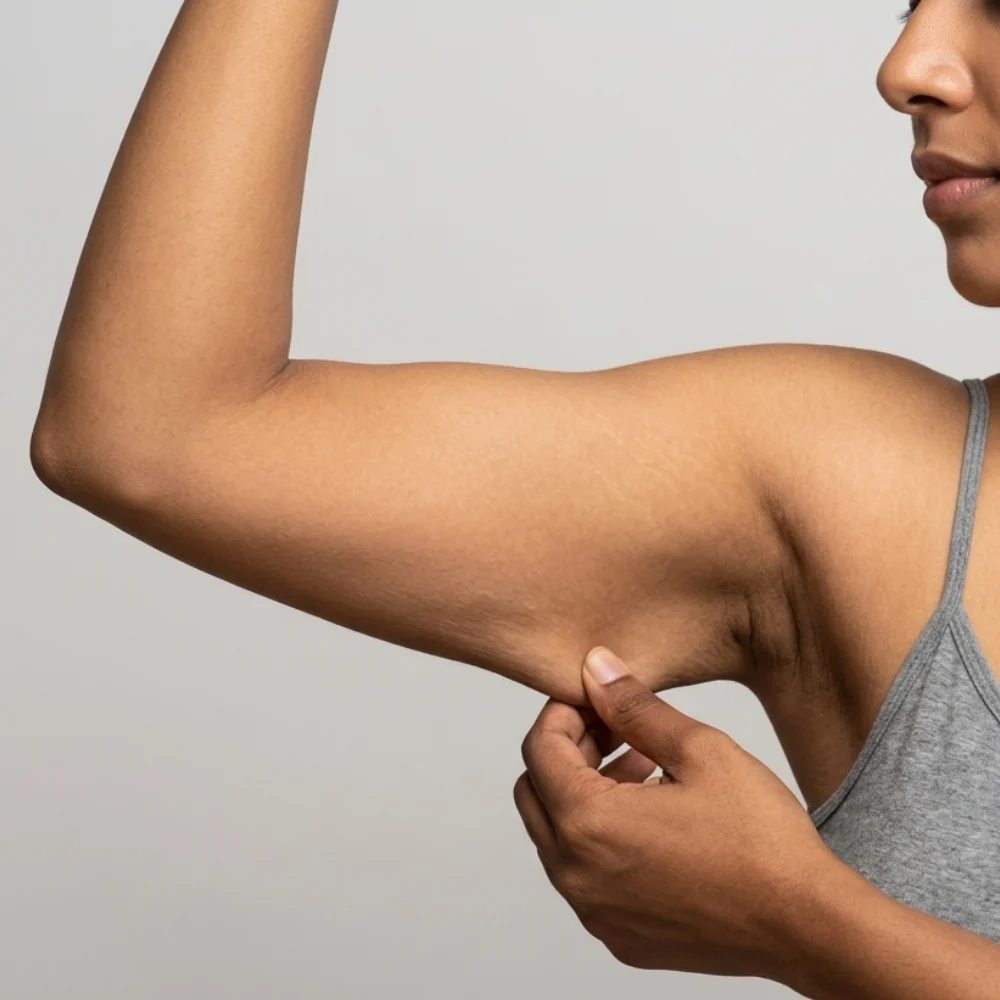
The upper arms can develop sagging or hanging skin following substantial weight reduction.
The inner and outer thighs may also become less firm after major weight loss.
Weight loss can reduce breast volume and leave excess or stretched skin, sometimes changing the position or shape of the breasts.
Facial volume can decrease along with overall body weight. This may result in hollow-looking cheeks, temple volume loss, more noticeable folds or mild facial laxity.
It depends.
After weight loss, the skin can continue adjusting to the body's new size for some time. Mild laxity may become less noticeable as weight stabilises.
However, skin that has lost substantial elasticity may not completely contract. The difference between mild laxity and significant excess skin is important when considering treatment.
If there is a large amount of redundant skin, lifestyle measures alone are unlikely to remove it.
There is no fixed timeline.
Some people see gradual changes over several months after reaching a stable weight. Others continue to have noticeable laxity long term.
Age, genetics, the amount of weight lost and the duration of previous weight gain all influence how the skin responds.
If you are still actively losing weight, it can also be difficult to judge what your final skin appearance will be.

Exercise cannot remove a fold of excess skin, but it can make a meaningful difference to body composition.
Resistance training helps maintain or build muscle underneath the skin, which can improve overall definition and contour.
A well-rounded programme may include:
Strength training is particularly valuable during weight loss because preserving lean muscle can help you achieve a healthier body composition rather than focusing solely on the number on the scale.
Nutrition is another important part of post-weight-loss care.
Adequate protein supports muscle maintenance and normal tissue repair. This becomes particularly relevant when calorie intake is reduced during weight management.
Useful protein sources include:
A balanced diet should also provide essential vitamins, minerals and healthy fats.
If you are using weight loss injections in Mumbai, your nutritional plan should be considered alongside the medical treatment. Your individual protein and calorie requirements depend on factors such as body weight, activity level, age and health conditions.
Adequate hydration supports normal skin function and can help prevent the skin from becoming excessively dry.
Moisturisers can also improve skin hydration and surface texture.
However, neither increased water intake nor topical skincare can remove substantial excess skin.
They are best viewed as part of general skin care rather than a standalone solution for post-weight-loss laxity.
If the main concern is mild or moderate laxity rather than a large amount of excess tissue, non-surgical treatments may be worth discussing.
Depending on the area and your skin condition, options may include:
These approaches are generally intended to improve skin quality, firmness and collagen remodelling. Results tend to be gradual, and the degree of improvement varies between patients.
A consultation is important because the same treatment may not be appropriate for every type of loose skin.
Collagen production naturally declines with age, and significant weight loss can make existing changes in skin quality more noticeable.
For selected patients, collagen-stimulating treatments may help improve mild laxity or changes in facial volume.
Poly-L-lactic acid treatments, for example, work gradually by stimulating collagen and may be considered when facial volume loss and skin quality are part of the concern.
However, these treatments are not intended to remove large amounts of excess tissue. When excess skin is substantial, a surgical assessment may be more appropriate.
Facial changes after weight loss can be different from loose skin on the body.
A reduction in facial fat may lead to:
In this situation, the underlying problem may be volume loss, skin laxity or a combination of both.
Treatment should therefore address the specific cause. Some patients may benefit from volume restoration, while others may be better suited to collagen-stimulating or skin-tightening approaches.
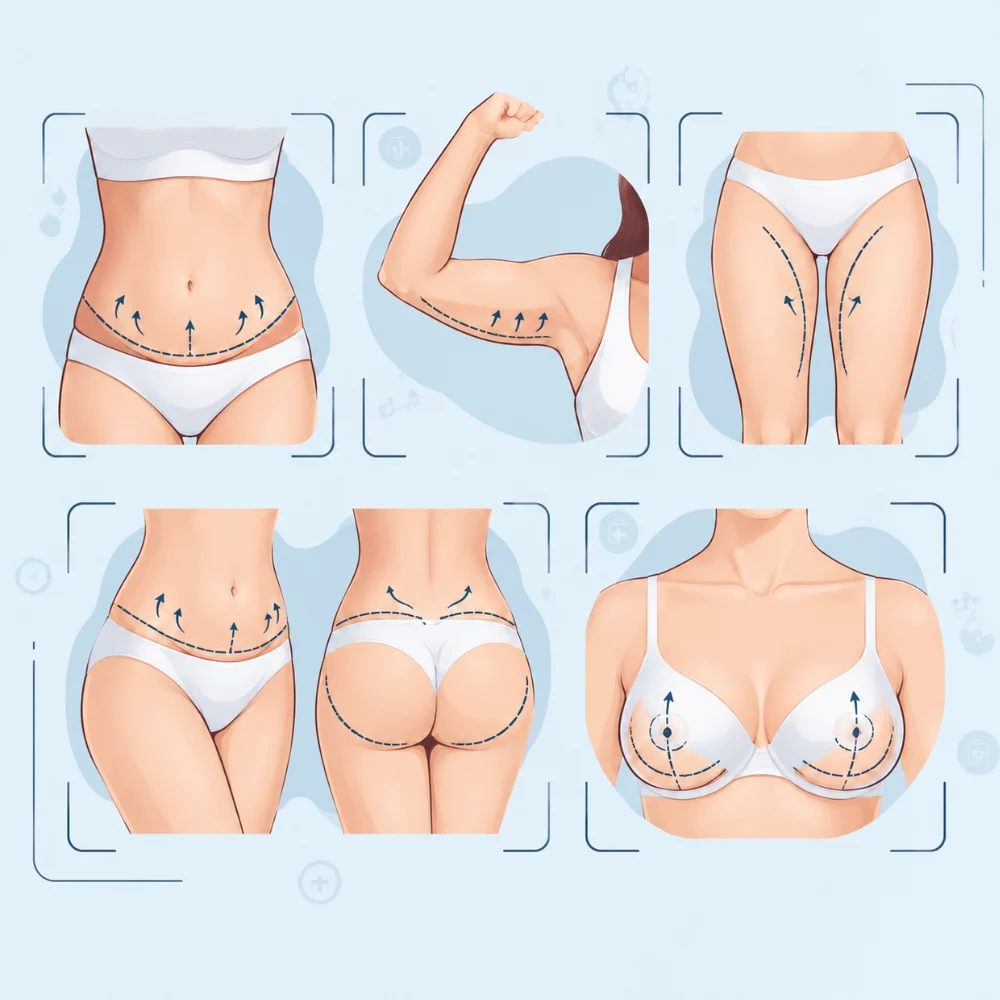
When there is substantial excess skin, body-contouring surgery can provide a more significant correction because the unwanted tissue can be removed.
Depending on the area, procedures may include:
A tummy tuck removes excess abdominal skin and may also address certain abdominal wall concerns when appropriate.
Brachioplasty removes excess skin from the upper arms.
A thigh lift can address significant laxity around the inner or outer thighs.
After major weight loss, excess tissue may extend around the abdomen, hips, back and buttocks. A lower body lift can address several of these areas.
A breast lift may be considered when weight loss has resulted in significant breast skin laxity or changes in breast position.
Surgery is not automatically necessary simply because some loose skin is present. The decision depends on the extent of excess tissue, symptoms, health status and personal goals.
Patients undergoing medically supervised treatment with weight loss injections in Mumbai may experience significant reductions in body weight.
As body volume decreases, previously stretched skin can become more visible. This is an expected consideration of substantial weight loss rather than necessarily an indication that the medication has harmed the skin.
For this reason, medical weight management should ideally include attention to body composition as well as weight.
Important areas to focus on include:
These measures cannot guarantee that loose skin will be prevented, but they can support healthier weight loss and body composition.
There is no guaranteed way to prevent loose skin after significant weight loss.
However, you can support your skin and body composition during the process.
Avoid extreme dieting: Crash diets may make it harder to maintain muscle and adequate nutrition.
Prioritise protein: Adequate protein supports lean tissue during weight loss.
Strength train regularly: Resistance exercise helps preserve muscle mass.
Protect your skin: Sun protection can help reduce long-term collagen breakdown.
Avoid smoking: Smoking can negatively affect skin quality and healing.
Aim for sustainable weight management: Maintaining a stable weight after reaching your goal can make it easier to assess the remaining skin changes.
The most useful starting point is to determine what is actually causing the concern.
You may notice slightly loose or crepey skin but no significant folds. Lifestyle measures and selected non-surgical treatments may be considered.
There may be more noticeable sagging, but the skin quality and amount of excess tissue may still make non-surgical options worth discussing.
Large folds or hanging tissue are less likely to respond substantially to non-surgical approaches. Body-contouring surgery may be discussed if the patient is medically suitable.
This assessment is particularly important after major weight loss because treating volume loss, skin laxity and excess tissue requires different strategies.
A consultation may be useful if:
Your doctor can assess the skin and underlying tissues before recommending an appropriate approach.
Loose skin is an important part of the post-weight-loss journey, particularly after substantial changes in body weight. While some laxity may improve naturally, the amount of improvement depends largely on your skin's elasticity and how much excess tissue remains.
Maintaining muscle through resistance training, eating adequate protein and allowing your weight to stabilise can help you make the most of your weight-loss results. When skin laxity remains, treatment can range from non-surgical collagen and skin-tightening procedures to surgical body contouring for significant excess tissue.
If you are undergoing medical weight management with weight loss injections in Mumbai, MOH Clinics can help you look beyond the number on the weighing scale and assess the changes in your overall body composition and appearance.
Book a consultation at MOH Clinics to discuss your post-weight-loss
Speak with our medical specialists at MOH Clinics in Mumbai for a personalized evaluation, expert guidance on GLP-1 therapies, customized nutrition planning, and dedicated ongoing care.
Book Consultation