Follow Us:



For many people, GLP-1 medications such as Ozempic and Mounjaro have transformed their weight-loss journey. By reducing appetite, increasing fullness, and improving metabolic health, these medications can help people achieve significant and sustainable weight loss when combined with healthy lifestyle changes.
However, one of the most common questions patients ask is:
The answer is that maintaining weight after stopping GLP-1 therapy is possible—but it requires planning, healthy habits, and ongoing medical support. Studies show that many people regain a substantial amount of weight after discontinuing GLP-1 medications if lifestyle changes are not maintained.
If you're using Ozempic Mumbai, Mounjaro Mumbai, or considering weight loss injections in Mumbai, here's what you need to know about protecting your results for the long term.
GLP-1 medications work by helping regulate appetite and food intake.
When treatment is stopped:
Obesity is now recognized as a chronic medical condition, which means the biological factors that contributed to weight gain often remain even after successful weight loss. This is why many people experience weight regain if medication is discontinued without a long-term maintenance strategy.
Not necessarily. Some people may continue treatment for longer periods, while others may reduce or discontinue medication under medical supervision.
The decision depends on factors such as: current weight, weight-loss goals, overall health, side effects, cost and accessibility, and risk of weight regain.
Never stop Ozempic, Mounjaro, or any GLP-1 medication without discussing it with your healthcare provider.
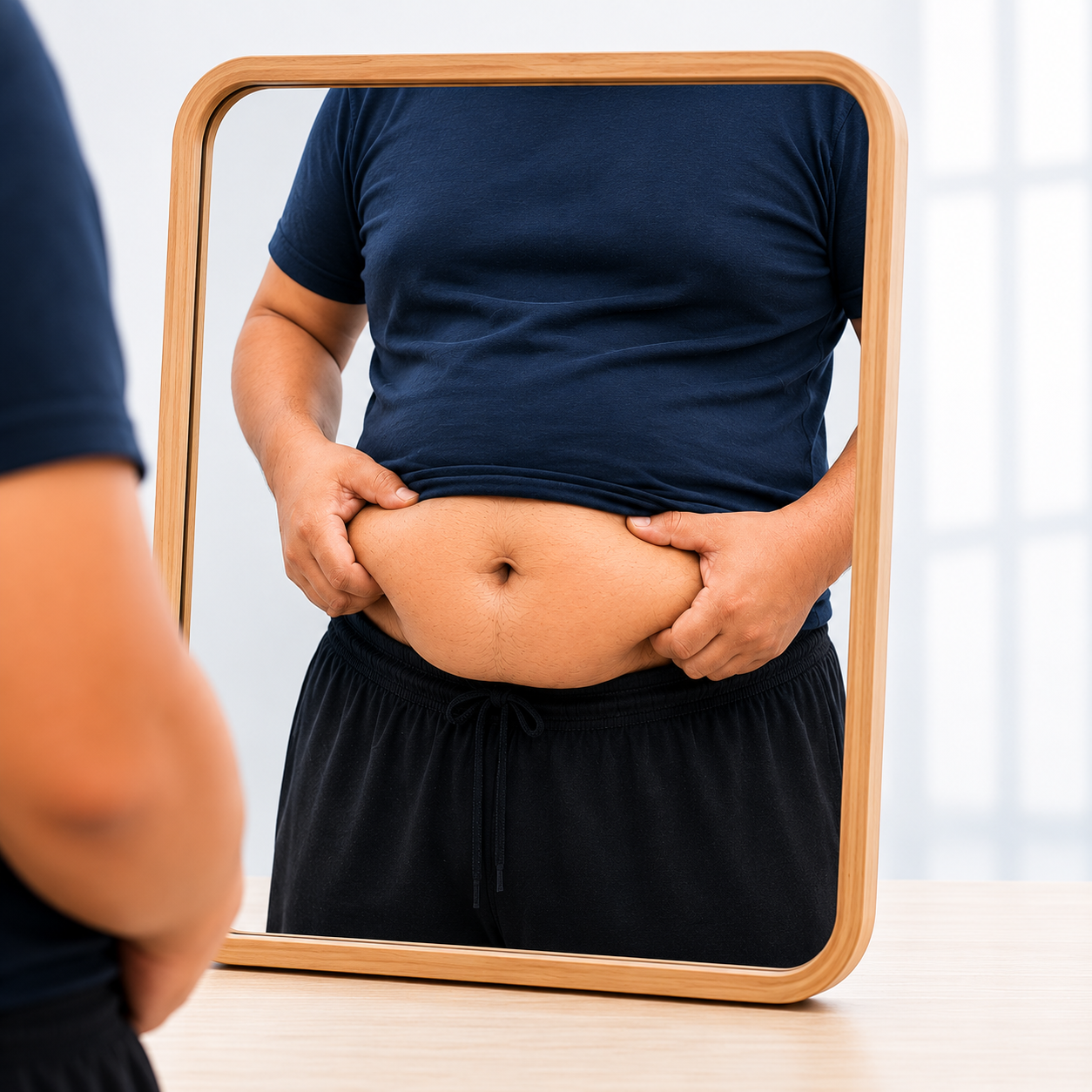
Yes—but maintaining weight requires ongoing commitment.
The medication helps initiate weight loss, while long-term success depends on building sustainable habits that continue after treatment.
The goal is to transition from relying on medication to relying on healthy routines.

Protein becomes even more important after stopping GLP-1 therapy. A protein-rich diet helps reduce hunger, preserve muscle mass, support metabolism, and increase satiety.
Include protein sources such as: Eggs, Fish, Chicken, Paneer, Greek yogurt, Tofu, Lentils, and Beans.
Aim to include protein with every meal.
One of the biggest reasons for weight regain is returning to previous eating patterns. Instead: continue portion awareness, eat slowly, plan meals in advance, limit ultra-processed foods, and avoid frequent sugary drinks.
The eating habits developed during treatment should continue long after the injections stop.
Exercise is one of the strongest predictors of long-term weight maintenance. Aim for at least 150 minutes of moderate activity per week and strength training 2-3 times weekly.
Resistance training helps preserve lean muscle, improve body composition, increase calorie expenditure, and support a healthy metabolism.
Many experts recommend checking your weight once a week rather than waiting until significant regain has occurred. Early recognition allows you to make small lifestyle adjustments before weight regain becomes substantial.
Sleep plays an important role in appetite regulation; poor sleep may increase hunger hormones. Aim for 7–9 hours of quality sleep each night.
Stress can contribute to emotional eating. Practice meditation, yoga, deep breathing, or walking to support healthier food choices.
Ongoing medical follow-up allows your doctor to monitor weight trends, assess metabolic health, and identify nutritional deficiencies early.
Appetite may gradually increase after stopping GLP-1 therapy. Prioritize protein, fibre, and water rather than skipping meals.
Small fluctuations in weight are normal. Focus on maintaining a healthy range through consistent habits—long-term success is measured by sustainable health, not short-term perfection.


In some situations, yes.
If significant weight regain occurs despite healthy lifestyle measures, your healthcare provider may recommend restarting treatment or considering another evidence-based obesity management strategy.
Any decision should be individualized after a medical evaluation.
Research consistently shows that people who maintain weight loss successfully often have several habits in common:
Medication can help you lose weight, but these daily habits help you keep it off.
If you're receiving Ozempic in Mumbai, Mounjaro in Mumbai, or other weight loss injections in Mumbai, choose a clinic that offers comprehensive long-term obesity management—not just prescriptions.
A successful maintenance program should include:
This ongoing partnership can significantly improve your chances of maintaining your results.


Stopping GLP-1 injections doesn't automatically mean you'll regain all the weight you've lost. However, maintaining your results requires an active, long-term approach.
The keys to success include:
If you're using Ozempic Mumbai, Mounjaro Mumbai, or considering weight loss injections in Mumbai, speak with an experienced obesity specialist about creating a personalized maintenance plan that supports lasting weight loss and better overall health.
Book a consultation with our obesity specialists to create a personalized weight maintenance strategy that helps you protect your results—whether you're currently using GLP-1 medications or preparing to stop treatment.
Book Consultation