Follow Us:



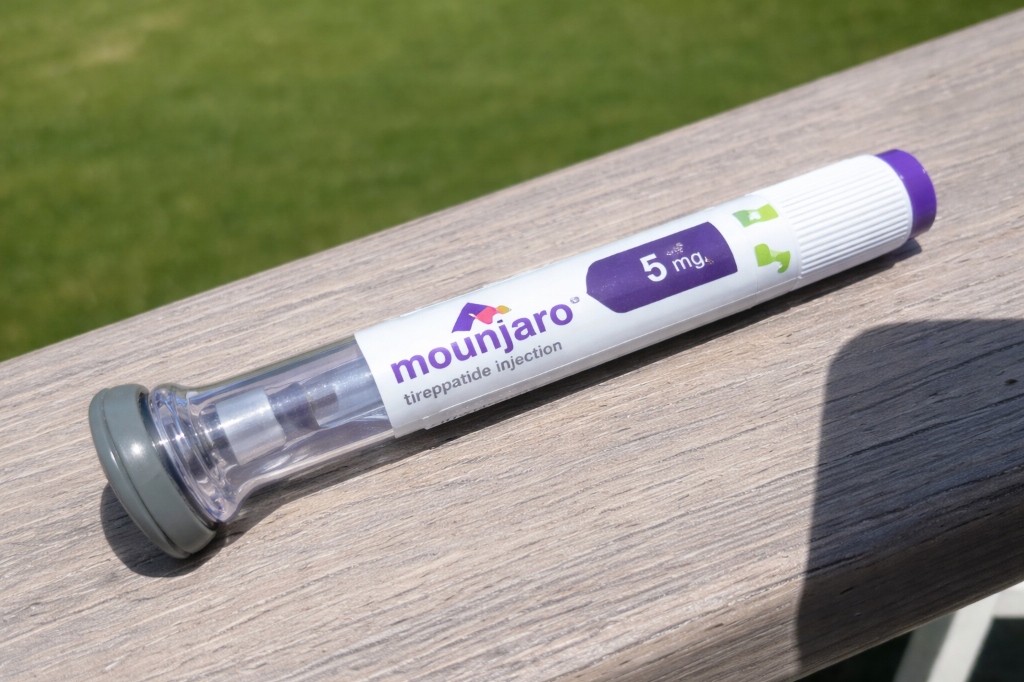
The Mounjaro dosage ranges from 2.5 mg to 15 mg, with treatment usually starting at 2.5 mg once weekly for four weeks before increasing to 5 mg. Further increases depend on your response and ability to tolerate the medicine. But does everyone need 15 mg? Can you continue treatment at 5 mg? This guide explains the six strengths, dosing timeline, weight loss results and what doctors consider before changing your dose.
Unsure Whether Your Mounjaro Dose Is Right for You? Get personalised treatment guidance, medication monitoring and weight management support at MOH Clinics.
Book a Mounjaro ConsultationMounjaro contains tirzepatide, which acts on GIP and GLP-1 receptors to regulate appetite and blood sugar.
The Mounjaro dosing schedule involves six available strengths. Each serves a different role in treatment.
| Weekly dose | Purpose | What patients should know |
|---|---|---|
| Mounjaro 2.5 mg | Starting dose | Usually prescribed for the first four weeks |
| Mounjaro 5 mg | Maintenance dose | May remain suitable without further increases |
| 7.5 mg | Intermediate dose | May help patients progress towards 10 mg |
| 10 mg | Maintenance dose | Considered when further treatment response is needed |
| 12.5 mg | Intermediate dose | May be used before moving to 15 mg |
| Mounjaro 15 mg | Maximum adult dose | Not necessary or suitable for everyone |
The recommended maintenance doses for weight management are generally 5 mg, 10 mg and 15 mg. Your doctor selects the dose based on clinical response and tolerability.
Doctors gradually increase tirzepatide doses to help reduce digestive side effects.
| Treatment period | Possible weekly dose |
|---|---|
| Weeks 1–4 | 2.5 mg |
| Weeks 5–8 | 5 mg |
| Weeks 9–12 | 7.5 mg, if needed |
| Weeks 13–16 | 10 mg, if needed |
| Weeks 17–20 | 12.5 mg, if needed |
| Week 21 onwards | 15 mg, if needed |
This table illustrates the earliest standard escalation pathway, not a mandatory treatment schedule. Doctors generally increase doses in 2.5 mg steps only after at least four weeks at the current strength.
Increasing every four weeks is not compulsory. If your current dose provides an appropriate response, your doctor may recommend staying on it.

Understanding the differences between strengths helps you set realistic expectations.
The 2.5 mg strength helps your body adjust to tirzepatide. It is not intended as a maintenance dose.
You may notice changes in appetite, although significant weight reduction is not guaranteed during the first month.
Some patients experience meaningful appetite control and weight reduction at 5 mg.
If treatment is effective and well tolerated, your doctor may recommend continuing this strength.
A doctor may consider 7.5 mg when additional treatment response is needed. The 10 mg strength is another maintenance option.
Dose changes depend on progress, tolerability and medical assessment.
The 12.5 mg strength may be used during escalation towards 15 mg.
Although 15 mg is the maximum recommended weekly adult dose, reaching it is not the goal for every patient.

The SURMOUNT-1 clinical trial studied 2,539 adults with obesity or overweight and a related health condition, excluding diabetes.
After 72 weeks, participants receiving tirzepatide achieved the following average weight reductions:
| Maintenance dose | Average weight reduction |
|---|---|
| 5 mg | 15.0% |
| 10 mg | 19.5% |
| 15 mg | 20.9% |
Participants also received lifestyle support, and the study included gradual dose escalation.
These results are trial averages, not guaranteed outcomes. A higher dose may produce greater average weight loss, but it may also affect tolerability.
Your doctor considers benefits and risks before recommending changes.
Nausea, vomiting, diarrhoea, constipation and abdominal discomfort can occur, particularly after increasing a dose.
Severe abdominal pain, repeated vomiting or dehydration requires prompt medical evaluation.
If you cannot tolerate a higher dose, your doctor may delay escalation or reconsider your treatment plan.
Never reduce, increase or skip prescribed strengths independently.
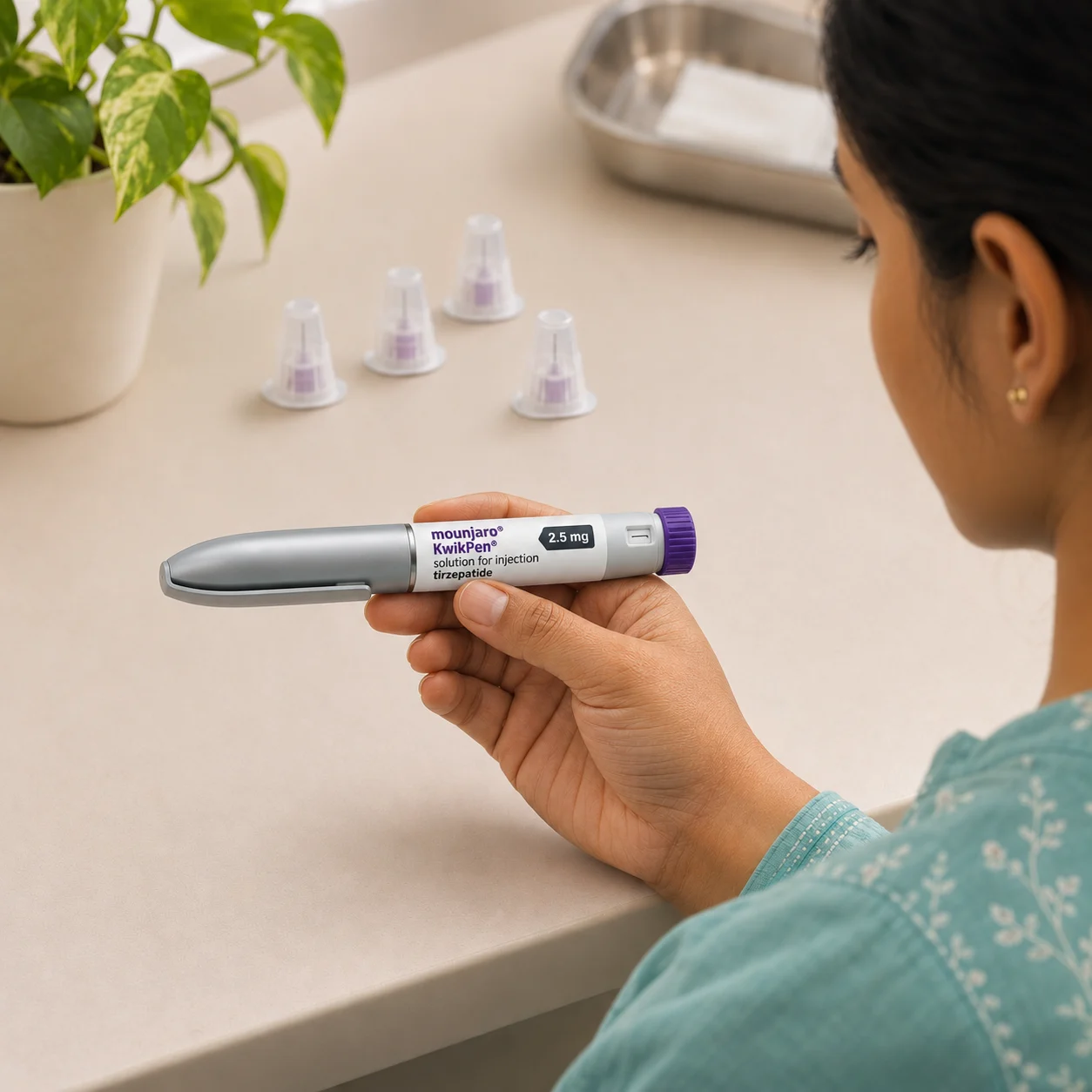
Mounjaro KwikPen is available in India in six strengths, from 2.5 mg to 15 mg.
Each KwikPen delivers four fixed weekly doses at its labelled strength.
For example, a 5 mg KwikPen provides four separate 5 mg doses. The label describes the amount delivered per weekly injection, not the total medicine contained in the pen.
Patients should follow the instructions for their specific device and use a new needle as directed. Do not attempt to obtain extra doses by counting clicks or extracting remaining medicine.
If you have questions about your Mounjaro dosage, professional assessment can help determine whether your current treatment remains appropriate.
At MOH Clinics Mumbai, our medical team provides metabolic assessment, nutritional guidance and treatment monitoring. As a metabolic and obesity clinic in Mumbai, we focus on individualised medical weight management.
Explore Mounjaro Injection in Mumbai or learn about Weight Loss Injections in Mumbai for further treatment information.
The Mounjaro dosage generally starts at 2.5 mg and increases gradually when clinically appropriate. Not everyone needs the highest strength to benefit from treatment. Your response, side effects and overall health guide dose decisions. With medical supervision, nutrition support and regular follow-ups, you can work towards realistic weight management goals.
Speak with our medical specialists at MOH Clinics in Mumbai for a personalized evaluation, expert guidance on GLP-1 therapies, customized nutrition planning, and dedicated ongoing care.
Book Consultation