Follow Us:


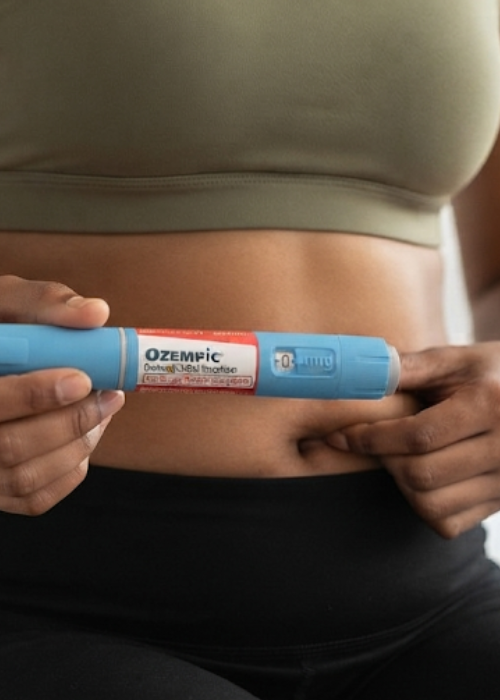
Starting Ozempic can create high expectations, especially after hearing about other people's weight-loss experiences. But what happens when you've been taking the medication and the weighing scale barely changes?
It can be frustrating.
You may start wondering:
The reality is that weight loss with Ozempic is not identical for everyone. Some people experience noticeable appetite changes relatively early, while others see gradual results over a longer period.
If you're considering an Ozempic weight loss injection in Mumbai, understanding the reasons behind slower weight loss can help you develop more realistic expectations and make better decisions about your treatment.
Most importantly, don't increase your dose or stop treatment on your own simply because the scale isn't moving.
Ozempic contains semaglutide, a GLP-1 receptor agonist primarily approved for the treatment of type 2 diabetes. It can reduce appetite and food intake and may lead to weight loss.
Semaglutide is also available under other brand names and indications specifically related to chronic weight management.
This distinction matters because the medication, dose, and treatment plan should be appropriate for the individual's medical condition and goals.
If your primary goal is obesity treatment, your doctor may discuss the most appropriate semaglutide-based or other evidence-based option for you.
One of the biggest misconceptions about Ozempic is that it should produce a fixed amount of weight loss every week.
It doesn't.
Your response can depend on:
Two people taking the same medication can therefore experience very different results.

Ozempic treatment generally starts at a low dose.
The purpose of gradually increasing the dose is to help your body adjust and improve tolerability.
During the early weeks, you may notice:
But the number on the scale may not change dramatically right away.
Weight loss is usually a gradual process, so it's important to evaluate progress over time rather than judging the treatment based on only a few weeks.

Different people respond differently to the same dose.
Your doctor may adjust treatment based on:
However, more medication does not automatically mean more weight loss.
Never increase your dose without medical supervision. A higher dose can also increase the likelihood of side effects.

Ozempic can reduce appetite, but it doesn't make calories irrelevant.
Even with reduced hunger, calorie intake can remain high through:
A useful strategy is to focus on the quality and portion size of your meals rather than simply trying to eat as little as possible.

Interestingly, eating too little can also create problems.
When appetite decreases significantly, some patients struggle to consume enough protein and nutrients.
Insufficient protein may contribute to:
During medical weight loss, the goal should be to lose excess body fat while preserving as much lean muscle as possible.
Include protein-rich foods such as:
Your ideal protein intake should be personalized according to your health and activity level.
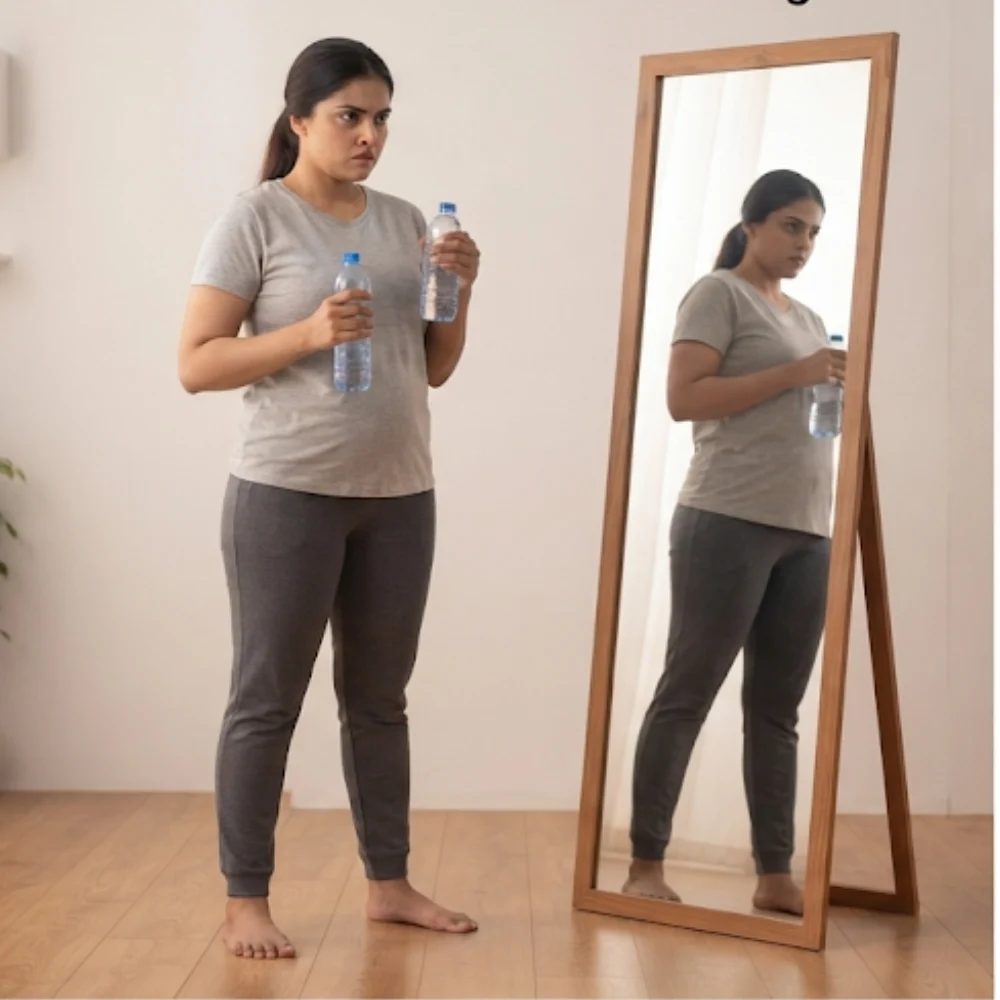
The scale doesn't measure fat alone.
Your body weight can fluctuate because of:
You could therefore be losing body fat without seeing a significant change in your weight for a short period.
Consider tracking:
These can provide additional information about your progress.

Ozempic can support appetite control, but physical activity remains important.
Regular movement helps:
You don't necessarily need intense workouts.
Walking, cycling, swimming, and resistance training can all contribute to a healthier weight-management plan.

If your only form of exercise is cardio, consider adding resistance training if medically appropriate.
Strength training helps signal your body to preserve muscle during weight loss.
Examples include:
Maintaining muscle can improve body composition and physical function even when the scale changes slowly.

Sleep is often overlooked during weight loss.
Insufficient sleep can affect:
If you're consistently sleeping poorly, improving your sleep routine may make maintaining healthy eating habits easier.
Aim for a regular sleep schedule and approximately 7–9 hours of sleep when possible.

Stress can make weight management difficult even when you're taking medication.
Some people respond to stress by:
If emotional eating is affecting your progress, simply increasing medication may not solve the underlying problem.
Behavioural strategies, stress management, and professional support may be useful.

Sometimes limited weight loss has nothing to do with the medication itself.
Conditions that can influence weight include:
Some medications can also contribute to weight gain.
If your progress is unexpectedly slow, your doctor may review your medical history and consider appropriate investigations.

Social media can create unrealistic expectations around weight loss.
Online stories often focus on dramatic transformations without explaining:
Your progress doesn't need to look like someone else's to be successful.
A gradual reduction in body weight accompanied by improved metabolic health can be a meaningful result.
A temporary plateau doesn't necessarily mean treatment has stopped working.
Weight-loss plateaus are common because the body adapts as weight decreases.
Your healthcare provider may review:
Only after evaluating these factors should changes to your treatment be considered.
Not automatically.
Other medications, including other GLP-1 or related therapies, may be appropriate for some patients.
But switching medication simply because the scale hasn't moved for a short period may be premature.
Your doctor should consider:
The right medication is the one that is appropriate and sustainable for your individual circumstances.
If your progress is slower than expected, focus on the basics first.
Include:
Adequate fluid intake can also help with constipation and general wellbeing.
Regular walking and other physical activity can support your overall treatment plan.
Resistance exercise helps protect muscle during weight loss.
Monitor waist circumference and other indicators of progress.
Regular medical reviews allow your treatment to be adjusted when necessary.
Speak with your healthcare provider if:
Your doctor can determine whether the issue is related to the medication, lifestyle, another medical condition, or simply the normal pace of weight loss.
Medical weight management is not simply about prescribing an injection.
A comprehensive program considers:
This approach is particularly valuable when weight loss has been difficult despite repeated attempts.
If you're searching for an Ozempic weight loss injection in Mumbai, don't focus only on obtaining the medication.
A proper consultation should determine whether semaglutide is appropriate for you and whether there are other factors contributing to your weight.
A medically supervised program can provide:
This allows treatment to be adjusted according to your actual response rather than following a generic plan.
Not losing weight quickly on Ozempic doesn't necessarily mean that the medication isn't working.
Your results can be influenced by treatment duration, dose, nutrition, activity levels, sleep, stress, medical conditions, and individual biology.
Instead of increasing the dose yourself or abandoning treatment, take a step back and look at the complete picture.
Remember:
If you're considering an Ozempic weight loss injection in Mumbai or are already using semaglutide and aren't seeing the results you expected, book a consultation with our obesity specialists for a personalized assessment and treatment plan tailored to your health, weight-loss goals, and individual response.
Book a consultation with our obesity specialists for a personalized assessment and treatment plan tailored to your health, weight-loss goals, and individual response.
Book Consultation