Follow Us:



Losing weight can improve your overall health, reduce the risk of chronic diseases, and boost confidence. However, some people notice an unexpected problem during their weight loss journey—increased hair fall.
Seeing more hair on your pillow, in the shower, or on your hairbrush can be worrying, especially when you're making healthy lifestyle changes or using weight loss injections in Mumbai under medical supervision.
The reassuring news is that hair shedding during weight loss is often temporary. In many cases, it's not the weight loss itself that causes the problem, but rather nutritional deficiencies that develop when the body doesn't receive enough essential nutrients.
Understanding these deficiencies can help you protect your hair while continuing your weight loss in Mumbai safely and effectively.
Hair follicles are among the fastest-growing tissues in the body, which means they require a continuous supply of nutrients.
When calorie intake drops significantly or meals become unbalanced, the body prioritizes essential organs over hair growth. As a result:
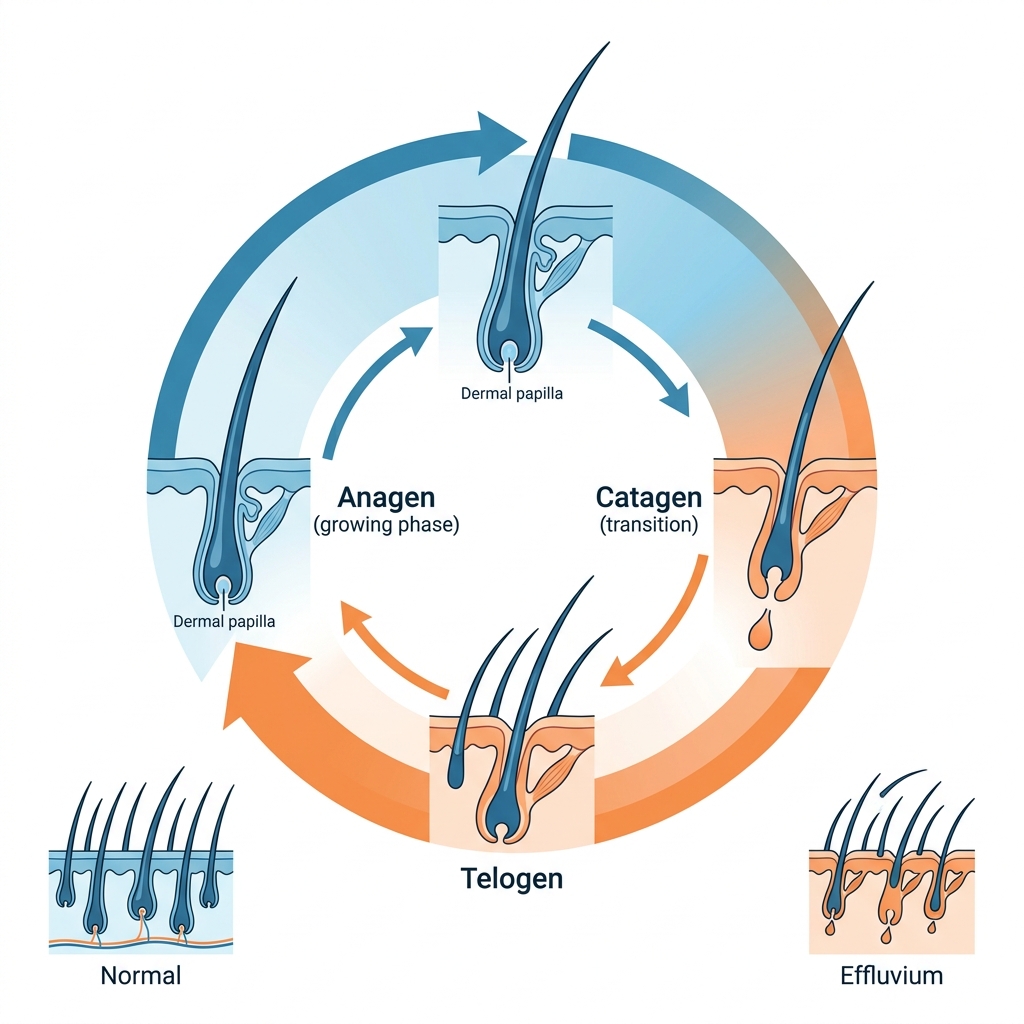
This temporary condition is known as telogen effluvium and is commonly seen after rapid weight loss, surgery, illness, or significant physical stress.
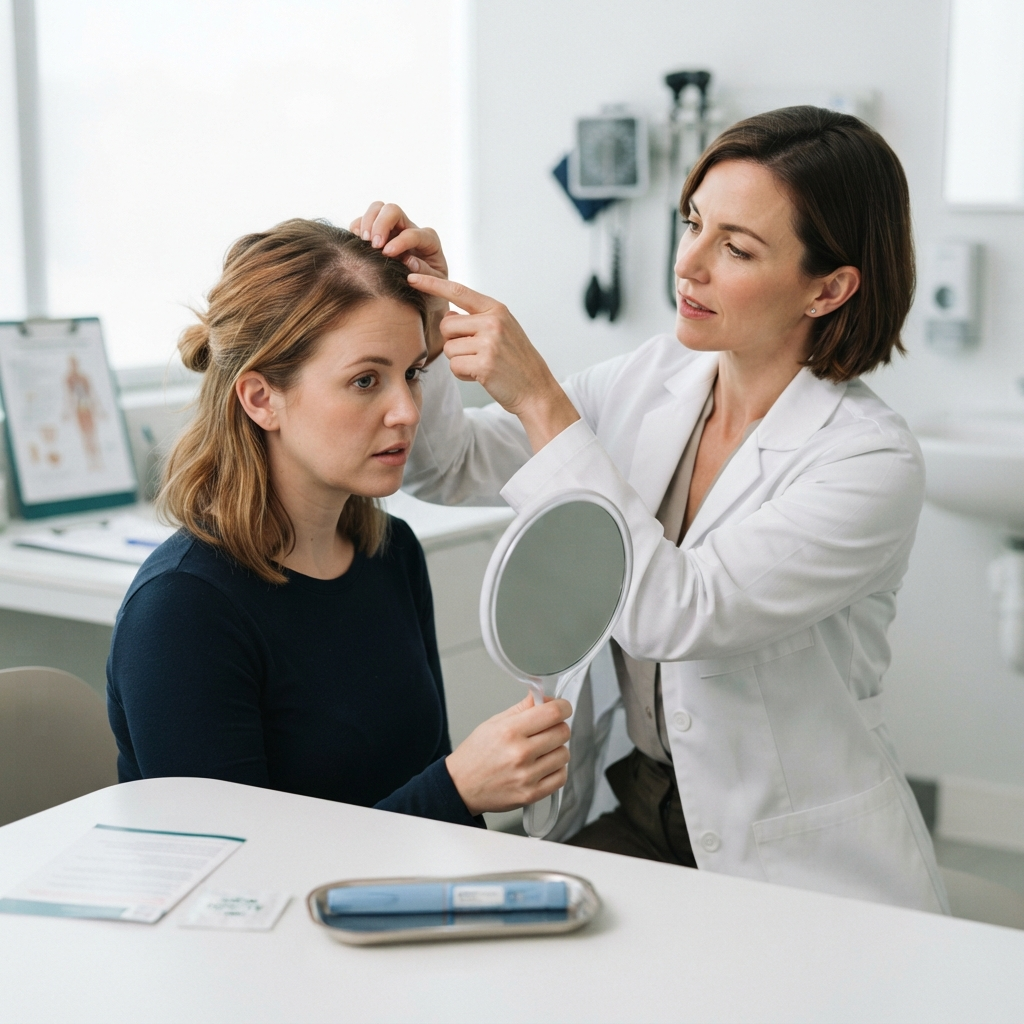
This is a common concern. Current evidence suggests that GLP-1 weight loss medications do not directly damage hair follicles.
Instead, hair shedding is usually linked to:
A medically supervised weight-loss program focuses on minimizing these risks through proper nutrition and regular monitoring.
Several nutrients play a critical role in hair follicle health. Deficiencies in any of these can trigger or worsen hair shedding during weight loss.
Protein is the most important nutrient for healthy hair. Hair is primarily made of keratin, a structural protein. If your body doesn't receive enough dietary protein, it may reduce hair production to conserve resources for more vital functions. Signs include increased hair shedding, muscle loss, fatigue, and slow recovery after exercise. Include eggs, chicken, fish, paneer, Greek yogurt, tofu, lentils, and beans with every meal.
Zinc plays an important role in hair follicle function, cell growth, tissue repair, and immune health. Inadequate zinc intake may contribute to hair thinning, slow wound healing, and brittle nails. Good food sources include pumpkin seeds, chickpeas, dairy products, nuts, and seafood. Supplementation should only be taken under medical guidance.
Vitamin B12 is essential for healthy red blood cell production and normal cell growth. Deficiency may contribute to hair thinning, fatigue, numbness or tingling, and difficulty concentrating. People following vegetarian or vegan diets may have a higher risk. Foods rich in B12 include dairy products, eggs, fish, meat, and fortified cereals.
Extremely low-fat diets may affect overall skin and hair health. Healthy fats support cell membranes, hormone production, and scalp health. Choose healthy fat sources such as avocados, nuts, seeds, olive oil, and fatty fish. Avoid eliminating dietary fats completely while trying to lose weight.
Iron deficiency is one of the most common nutritional causes of hair loss, especially in women. Iron helps red blood cells carry oxygen to tissues, including the scalp and hair follicles. Low iron stores may lead to diffuse hair thinning, fatigue, weakness, pale skin, and shortness of breath. Women with heavy menstrual bleeding or PCOS may be at higher risk. Good sources include lean meat, spinach, lentils, beans, and fortified cereals.
Vitamin D supports healthy hair follicle cycling and overall skin health. Low vitamin D levels have been associated with several forms of hair loss. Risk factors include limited sun exposure, darker skin tones, obesity, and indoor lifestyles. Sources include sunlight exposure, fatty fish, egg yolks, and fortified dairy products.
Folate supports healthy cell division, including the rapidly growing cells within hair follicles. Low folate levels may affect normal hair growth over time. Good sources include green leafy vegetables, citrus fruits, lentils, beans, and avocados.
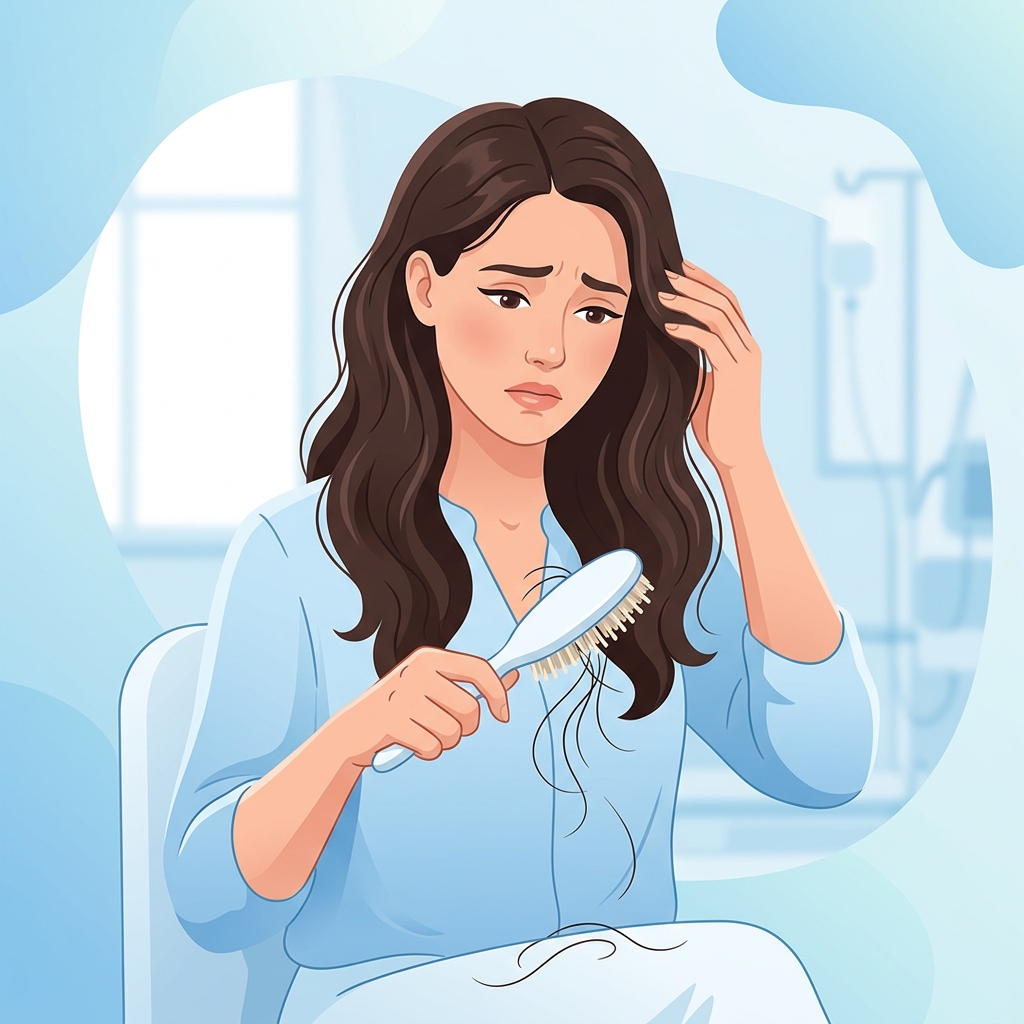
One of the biggest mistakes during weight loss is eating too little. Very low-calorie diets may result in deficiencies of multiple nutrients at the same time.
This increases the risk of:
Healthy weight loss should focus on balanced nutrition rather than severe restriction.
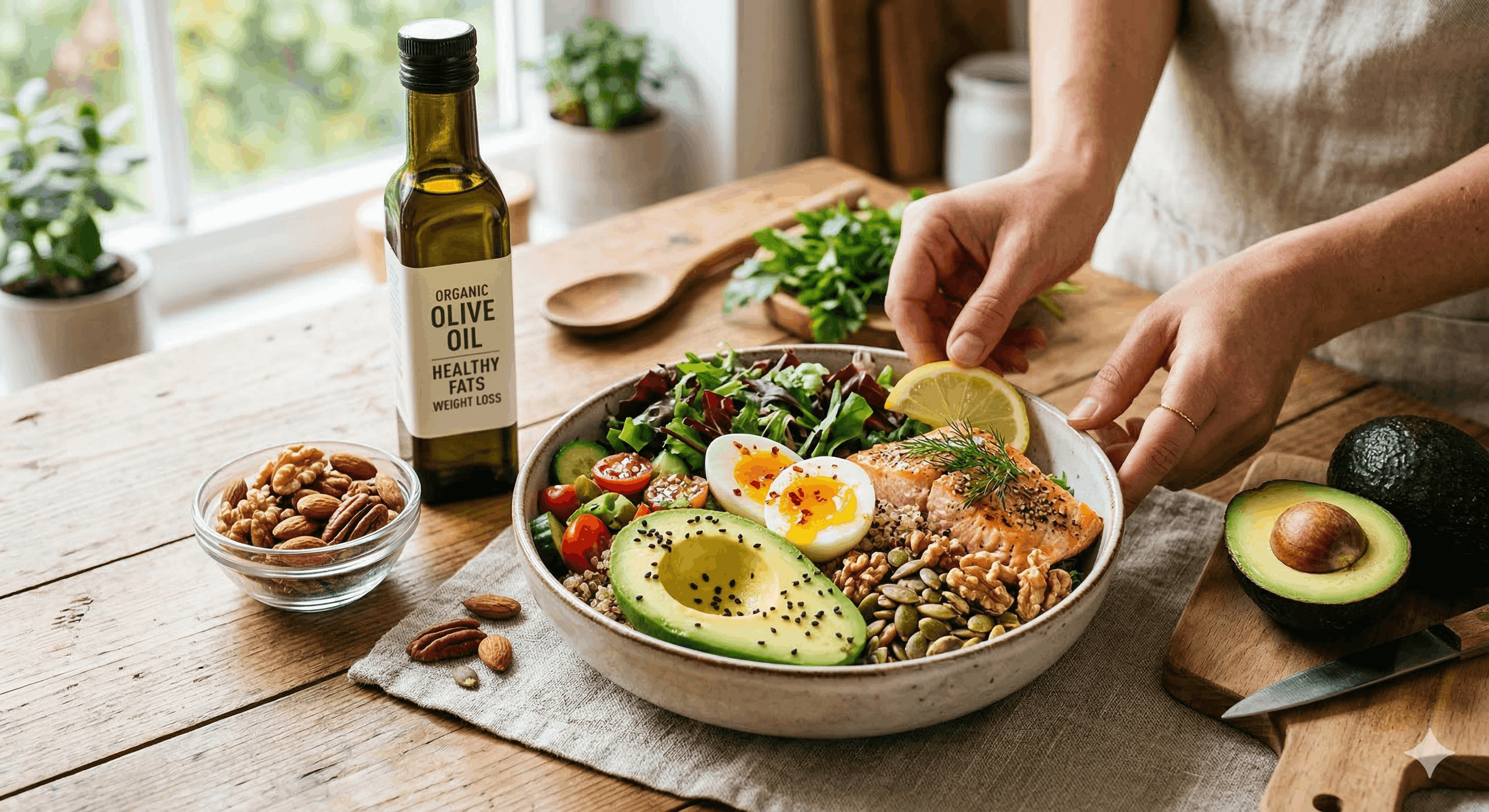
Hair health can often be preserved with the right nutritional approach.
If hair fall becomes excessive or continues for several months, your healthcare provider may recommend evaluating for nutritional deficiencies. Common blood tests include:
To assess iron stores and identify iron-deficiency anaemia, which is one of the most common causes of hair thinning in women.
Low vitamin D is common among people with obesity and those with limited sun exposure. It may contribute to hair follicle disruption.
Checked when hair loss is persistent and other more common causes have been ruled out or addressed.
Particularly important for vegetarians, vegans, and those with restricted diets who may be at higher risk of deficiency.
Thyroid disorders can independently cause hair loss and weight changes, so it is important to rule this out as a contributing factor.
Provides an overall picture of blood health including red blood cell counts, haemoglobin, and other markers of nutritional status.
These tests can help identify treatable causes of persistent hair shedding and guide appropriate supplementation or dietary adjustments.
Successful weight loss is not just about reducing body weight. A medically supervised program also focuses on:
Regular follow-up appointments allow your healthcare provider to adjust your treatment plan if needed and ensure your nutritional needs are being met throughout your journey.
Interest in medically supervised weight loss in Mumbai continues to grow as more people seek sustainable and evidence-based approaches to obesity management. For suitable candidates, weight loss injections in Mumbai may be part of a comprehensive program that includes:
Personalized dietary guidance to ensure adequate intake of protein, vitamins, and minerals throughout the weight loss process.
Structured physical activity plans that support fat loss while preserving lean muscle mass and overall metabolic health.
Periodic blood tests and clinical assessments to detect nutritional gaps early and prevent complications such as hair shedding.
Every patient is different. Individualized plans help address underlying metabolic or nutritional factors unique to each person's health profile.
This holistic approach helps support weight loss while reducing the risk of complications such as nutritional deficiencies and temporary hair shedding.
Hair fall during weight loss can be alarming, but in many cases, it is temporary and manageable. The key is to ensure your body receives the nutrients it needs while losing weight.
Remember to prioritize protein at every meal, eat a balanced, nutrient-rich diet, avoid crash dieting, stay hydrated, monitor for vitamin and mineral deficiencies, and follow up regularly with your healthcare provider.
For those exploring weight loss injections in Mumbai, working with an experienced healthcare professional can help create a personalized plan that supports healthy, sustainable weight loss—while keeping your hair and overall nutrition in check.
Book a consultation to learn whether a personalized weight loss program or weight loss injections in Mumbai are right for you.
Book Consultation