Follow Us:



When people hear about Ozempic, weight loss is often the first benefit that comes to mind. However, its effects extend beyond the number displayed on a weighing scale.
Ozempic contains semaglutide, a GLP-1 receptor agonist primarily used to improve blood sugar control in adults with type 2 diabetes. By mimicking the effects of the naturally occurring GLP-1 hormone, it influences appetite, insulin secretion, blood glucose levels, and digestion.
This makes Ozempic part of a broader conversation around metabolic health.
Metabolic health refers to how well your body manages important processes such as blood sugar, blood pressure, cholesterol, body fat, and insulin sensitivity. Poor metabolic health can increase the risk of conditions such as type 2 diabetes, cardiovascular disease, and fatty liver disease.
For people exploring a weight loss injection in Mumbai, understanding these broader effects can help explain why medical weight management is about more than simply losing kilograms.
Metabolic health describes how efficiently your body regulates and uses energy.
Several factors are commonly considered when evaluating metabolic health:
You can have excess weight without having every metabolic abnormality, but obesity is strongly associated with a higher risk of metabolic problems.
Improving metabolic health therefore involves more than reaching a specific weight. It means improving the way your body functions.
Ozempic contains semaglutide, which mimics the action of GLP-1.
GLP-1 plays several roles in the body.
It can:
Together, these effects can help improve blood glucose control and reduce overall food intake.
Weight loss may occur as a result, but metabolic improvements can also be important in their own right.
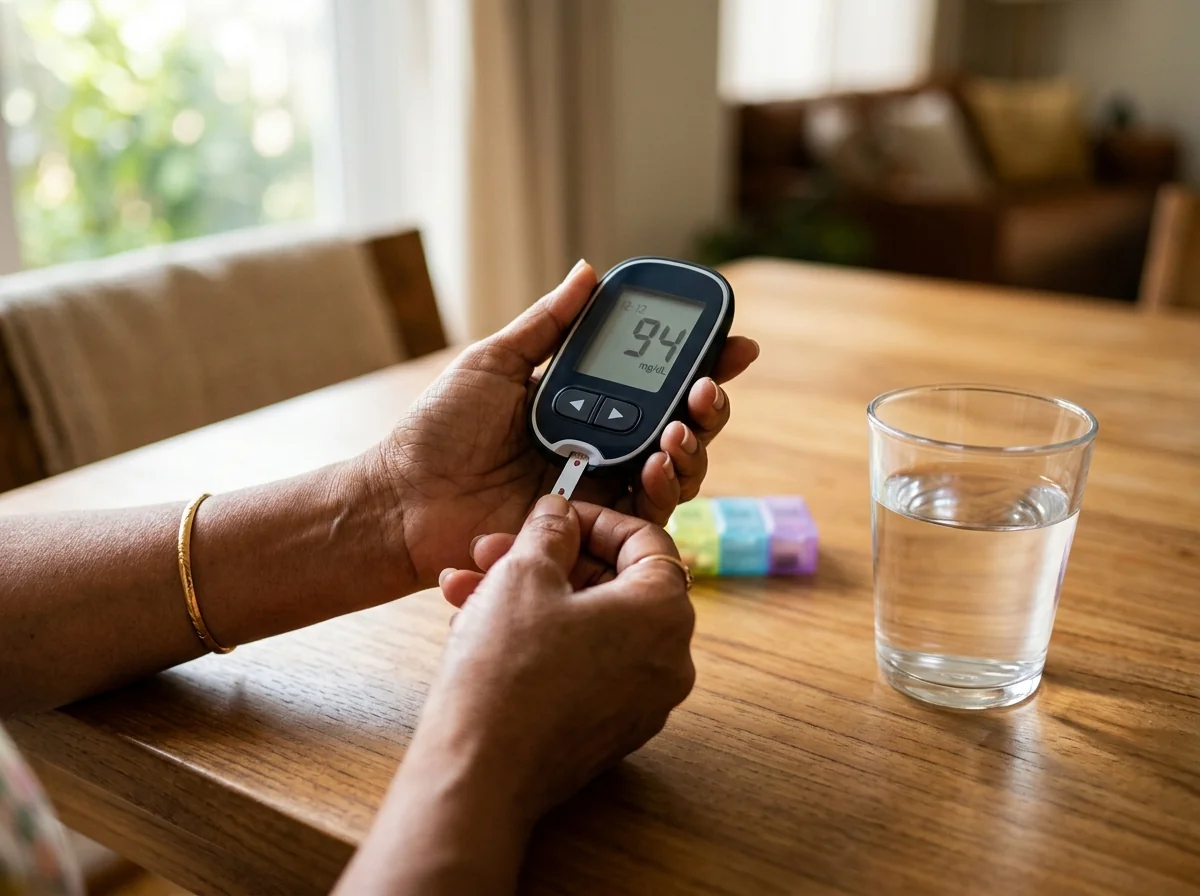
One of the primary reasons Ozempic is prescribed is to help adults with type 2 diabetes manage blood glucose.
By improving glucose-dependent insulin secretion and reducing inappropriate glucagon activity, semaglutide can help lower blood sugar levels.
Better glucose control may reduce the long-term risk of diabetes-related complications.
This is particularly relevant for people who have:
However, Ozempic should be used according to its approved indications and under appropriate medical supervision.

Insulin resistance occurs when the body's cells respond less effectively to insulin.
As insulin resistance develops, the pancreas may produce more insulin to maintain normal blood glucose.
Over time, this can contribute to:
Weight reduction itself can improve insulin sensitivity, while GLP-1-based treatment can also contribute to better metabolic regulation.
This is one reason medical weight management can be particularly useful for patients dealing with both excess weight and metabolic abnormalities.
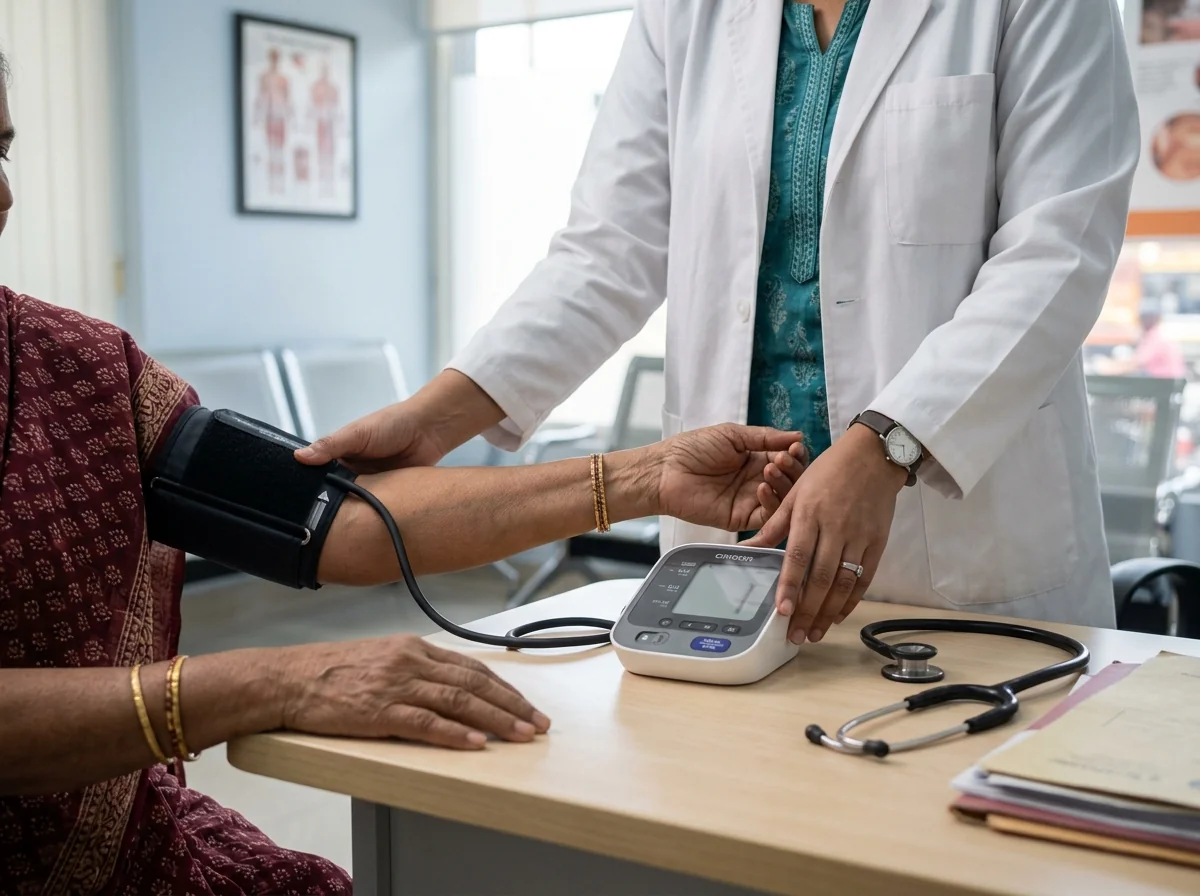
Obesity, diabetes, high blood pressure, abnormal cholesterol, and excess visceral fat often occur together.
This combination increases cardiovascular risk.
Semaglutide has demonstrated cardiovascular benefits in specific populations, particularly people with type 2 diabetes and established cardiovascular disease.
The broader lesson is important:
Effective metabolic treatment should focus not only on weight but also on reducing the health risks associated with obesity and metabolic disease.

Not all body fat has the same metabolic impact.
Visceral fat is stored around internal organs and is associated with increased metabolic risk.
Weight loss achieved through appropriate medical treatment can reduce overall fat mass, including abdominal and visceral fat.
A reduction in waist circumference may therefore accompany improvements in metabolic health.
However, Ozempic should not be viewed as a spot-reduction treatment for belly fat.

One of the reasons semaglutide can support weight management is its effect on appetite.
Patients may experience:
This can make it easier to maintain a calorie deficit without relying solely on willpower.
For some patients, improved appetite control is an important part of breaking the cycle of overeating and repeated dieting.

When appetite becomes easier to manage, some people find it easier to make more balanced food choices.
Instead of constantly thinking about food, they may find that:
Medication doesn't replace healthy nutrition, but appetite control can make healthier habits easier to maintain.

Even modest weight loss can have meaningful health benefits.
Reducing excess body weight may help improve:
The extent of improvement varies from person to person.
This is why doctors often monitor multiple health markers rather than focusing only on body weight.
People with obesity may also experience conditions such as:
Treating obesity can have positive effects across several of these conditions.
However, Ozempic is not a treatment for every condition associated with obesity. Your healthcare provider will determine which treatments are appropriate based on your individual medical profile.
An important point is often overlooked:
Medication works best as part of a comprehensive treatment plan.
A healthy metabolic lifestyle should still include:
Prioritize:
Combine:
Poor sleep can affect appetite, insulin sensitivity, and energy levels.
Chronic stress may contribute to unhealthy eating patterns and metabolic dysfunction.
When you lose weight, some reduction in lean body mass can occur alongside fat loss.
Preserving muscle is therefore an important part of medical weight management.
Strategies include:
The goal should be better body composition, not simply a lower number on the scale.
No.
Individual responses vary.
Factors that can influence treatment response include:
Some patients may experience substantial appetite and weight changes, while others may see more gradual results.
This is why treatment should be individualized rather than based on someone else's experience.
People with existing metabolic or medical conditions may require closer follow-up.
Your doctor may monitor:
The exact monitoring schedule depends on your medical history and treatment plan.
Like other medications, Ozempic can cause side effects.
Common gastrointestinal effects may include:
These symptoms may be more noticeable when treatment begins or when the dose changes.
Eating smaller meals, avoiding very heavy foods, and staying adequately hydrated may help some patients.
However, persistent or severe symptoms should be discussed with your healthcare provider.
Ozempic isn't simply an injection that should be selected based on how quickly someone else lost weight.
Before treatment, a healthcare professional should consider:
Regular follow-up allows the treatment plan to be adjusted according to your response.
If you're researching Ozempic in Mumbai, it's important to look beyond the medication itself.
A medically supervised weight management program should ideally include:
This approach ensures that the focus remains on improving your overall health rather than achieving rapid weight loss alone.
Ozempic has attracted significant attention because of its effects on blood sugar, appetite, and body weight. But its potential role in metabolic health goes beyond the number on the weighing scale.
For appropriate patients, treatment may contribute to improvements in:
However, medication is only one part of the picture.
A balanced diet, adequate protein, regular exercise, good sleep, and ongoing medical supervision remain essential for long-term metabolic health.
Considering Ozempic or another weight loss injection in Mumbai? Book a consultation with our specialists to understand whether treatment is appropriate for you and receive a personalized plan focused on sustainable weight management and better metabolic health.
Book a consultation with our specialists to understand whether treatment is appropriate for you and receive a personalized plan focused on sustainable weight management and better metabolic health.
Book Consultation