Follow Us:




Starting a medical weight-loss programme can feel encouraging when the weighing scale begins moving consistently. But after several weeks or months, some people notice that their weight loss slows down or appears to stop. This is commonly called a weight loss plateau. If you are using Ozempic as part of a doctor-supervised treatment plan, reaching a plateau does not automatically mean that the medication has stopped working.
Weight loss is rarely a straight downward line. As body weight decreases, the body's energy requirements change, appetite and metabolism can adapt, and lifestyle factors can influence the rate of progress. Clinical research also shows that weight loss with semaglutide can eventually level off rather than continuing indefinitely.
If your progress has slowed while using Ozempic or another GLP-1-based treatment, the right approach is usually to understand why the plateau has occurred rather than simply increasing medication or drastically cutting food intake. A personalised assessment can help determine the next step. For patients considering Ozempic injections in Mumbai, professional medical guidance is particularly important for choosing and monitoring treatment safely.
A weight loss plateau occurs when body weight remains relatively stable for a period despite continuing with a weight-management programme.
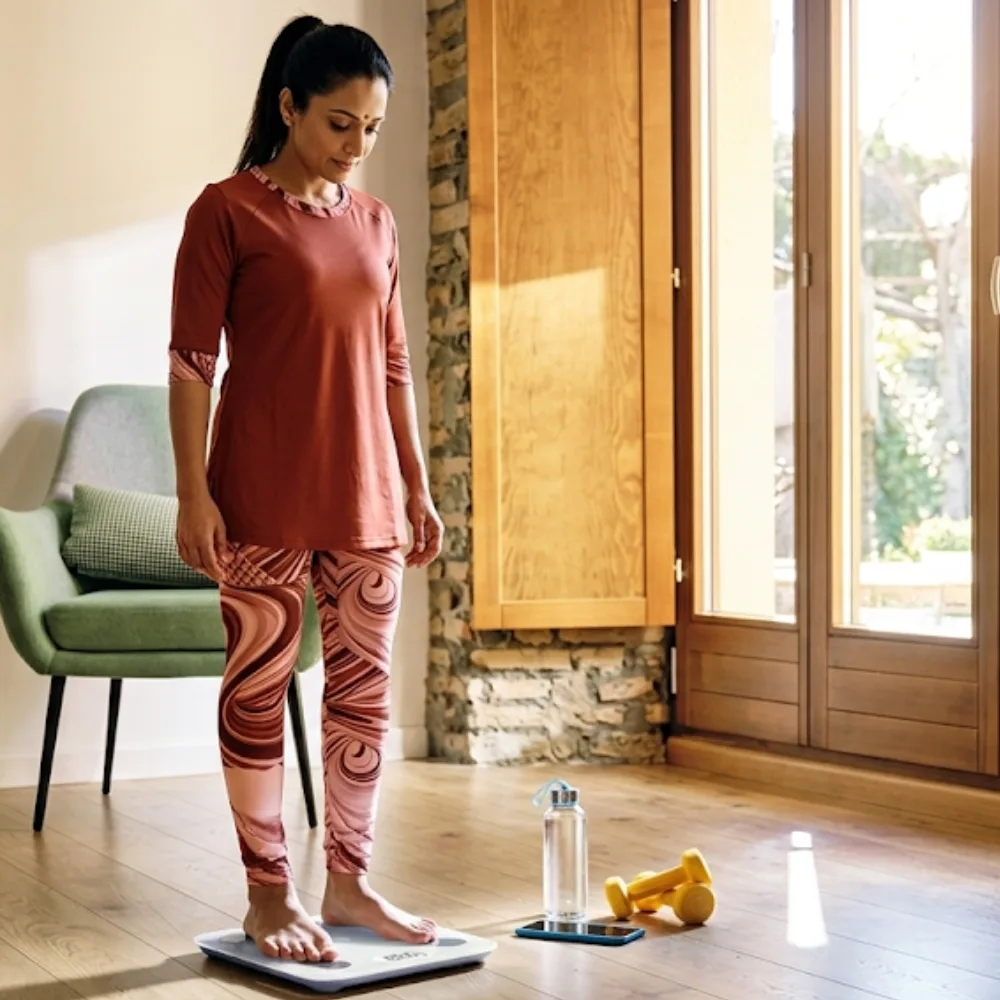
For example, you may initially lose weight steadily and then notice that the scale has remained within the same small range for several weeks. This can happen even when you are still taking your medication and following many of your usual healthy habits.
A plateau does not necessarily mean:
Instead, it may indicate that your body has reached a new energy balance.
Several factors can contribute to a plateau.

When you lose weight, your body generally requires less energy to maintain that lower weight. This means that the calorie deficit that helped you lose weight initially may become smaller over time.
The result is simple: the same diet and activity pattern that produced noticeable weight loss at the beginning may eventually produce slower changes.
This is a normal physiological response and is one reason why long-term weight management requires adjustments over time.
Semaglutide works partly by influencing appetite and food intake. However, the effect experienced by an individual can change over the course of treatment.
You may notice that:
These changes can be subtle and may happen without you immediately recognising them.
Weight loss can sometimes be accompanied by lower spontaneous movement.
You may unknowingly:
This reduction in everyday movement can affect total energy expenditure.
Exercise remains valuable during medical weight loss, particularly resistance training, which can help support muscle mass and physical function.
The amount and speed of weight loss vary significantly from person to person.
In clinical research involving semaglutide 2.4 mg in adults with overweight or obesity, substantial average weight loss was observed over 68 weeks, but individual responses varied.
Therefore, comparing your progress with another person's results can create unrealistic expectations.
Your doctor may consider factors such as your starting weight, current weight, waist circumference, metabolic health and overall response rather than looking only at the number on the scale.
Not necessarily.
A plateau can mean that the rate of weight loss has slowed as your body adapts to the lower body weight and the difference between energy intake and expenditure becomes smaller.
Recent modelling research suggests that long-term treatment with GLP-1 receptor agonists can produce a predictable weight-loss plateau as energy intake and expenditure gradually move toward a new balance.
This is an important distinction.
The goal of obesity treatment is not always to make the scale decrease every week. Other improvements can also matter, including:
Your doctor may therefore evaluate your overall health rather than judging treatment success from weight alone.
There is no fixed duration.
A plateau may last for a few weeks, while some people may experience a longer period of relatively stable weight. The timing depends on factors such as:
Research on weight-loss plateaus indicates that metabolic adaptations can contribute to slowing progress, although the timing varies between individuals.
This is why a short period without scale movement should not immediately lead to a major treatment change.
The first step is to look at the complete picture.

Even when appetite is reduced, calorie-dense foods can make it easy to consume more energy than expected.
Review:
The goal is not to severely restrict food. Instead, focus on nutrient-dense meals that provide adequate protein, fibre, vitamins and minerals.
Adequate protein is particularly important during medical weight loss.
Protein can help support muscle maintenance and make meals more satisfying. Good options may include:
Your ideal intake depends on factors such as body size, activity level, age and health status.
Weight loss is not only about reducing body fat. Preserving lean muscle should also be part of a well-designed treatment strategy.
Resistance exercises such as:
may help maintain strength and muscle mass when appropriately prescribed.
A combination of resistance training and regular walking or aerobic activity can be useful for many people.
Body weight naturally fluctuates because of:
Therefore, a few days without weight loss do not necessarily represent a true plateau.
Consider monitoring:
This is one of the most common questions when weight loss slows.
Do not increase, reduce or change your Ozempic dose on your own.
The appropriate dose depends on the specific indication, treatment response, tolerability and other medical factors. The current U.S. Ozempic prescribing information describes Ozempic (semaglutide) primarily for improving glycaemic control in adults with type 2 diabetes and for certain cardiovascular and kidney-risk reductions in people with type 2 diabetes.
For people seeking treatment specifically for chronic weight management, doctors may consider semaglutide products and other therapies according to the patient's medical profile and the indications applicable in their location.
If your progress has slowed, your doctor may assess whether the current treatment remains appropriate rather than automatically increasing the dose.
A medical review can be useful if:
Your doctor may review your diet, activity, medication adherence, medical conditions and treatment response before recommending any changes.

Stopping treatment is not necessarily the solution to a plateau.
Weight regain after discontinuing semaglutide has been documented in clinical research. In the STEP 1 extension, participants who stopped semaglutide after 68 weeks regained a substantial proportion of the weight they had previously lost over the following year.
A 2026 systematic review and meta-regression similarly found that weight commonly rebounds after stopping GLP-1 receptor agonists, with approximately 60% of weight lost during treatment regained at one year across the included trials.
This does not mean everyone will regain the same amount. It does mean that obesity treatment should be viewed as a long-term management strategy rather than simply a short course of injections.
If you are considering stopping treatment, discuss a maintenance plan with your doctor first.
Sometimes a plateau is not primarily related to the medication.
Your doctor may consider conditions or factors such as:
Not everyone with a plateau needs extensive testing. Investigations should be based on your symptoms, medical history and clinical assessment.
If you are considering weight loss injections in Mumbai, it is important to understand that medication is only one component of obesity treatment.
A responsible treatment programme may include:
The goal is not simply to achieve the lowest possible number on the weighing scale. The focus should be on achieving meaningful, sustainable improvements while protecting overall health.

Severely restricting food can make it difficult to meet protein and micronutrient requirements and may negatively affect energy levels.
More exercise is not always better. A sustainable programme that includes strength training, cardiovascular activity and adequate recovery is generally more practical.
Daily and weekly fluctuations are normal. Look at trends over time.
Switching between medications or changing doses without supervision can increase the risk of side effects and may not address the actual reason for the plateau.
A slower rate of weight loss can be part of the normal trajectory of treatment. The key question is whether your overall health and treatment goals are improving.
A weight loss plateau during Ozempic treatment can be frustrating, but it does not necessarily mean that your treatment has failed. As your body weight changes, energy requirements, appetite and metabolism can change as well. The right response is to assess the complete picture rather than simply chasing a lower number on the scale.
If you are exploring Ozempic injections in Mumbai or other weight loss injections in Mumbai, a personalised medical approach can help determine whether your current treatment, nutrition, activity and long-term weight-management strategy are working together effectively. Book a consultation with a qualified weight-management doctor to review your progress and create a safe, sustainable plan tailored to your health goals.
Book a consultation today with a qualified weight-management doctor to review your progress and create a safe, sustainable plan tailored to your health goals.
Book Consultation