Follow Us:


If you have Polycystic Ovary Syndrome (PCOS), you've probably heard the same advice countless times:
"Just eat less and exercise more."
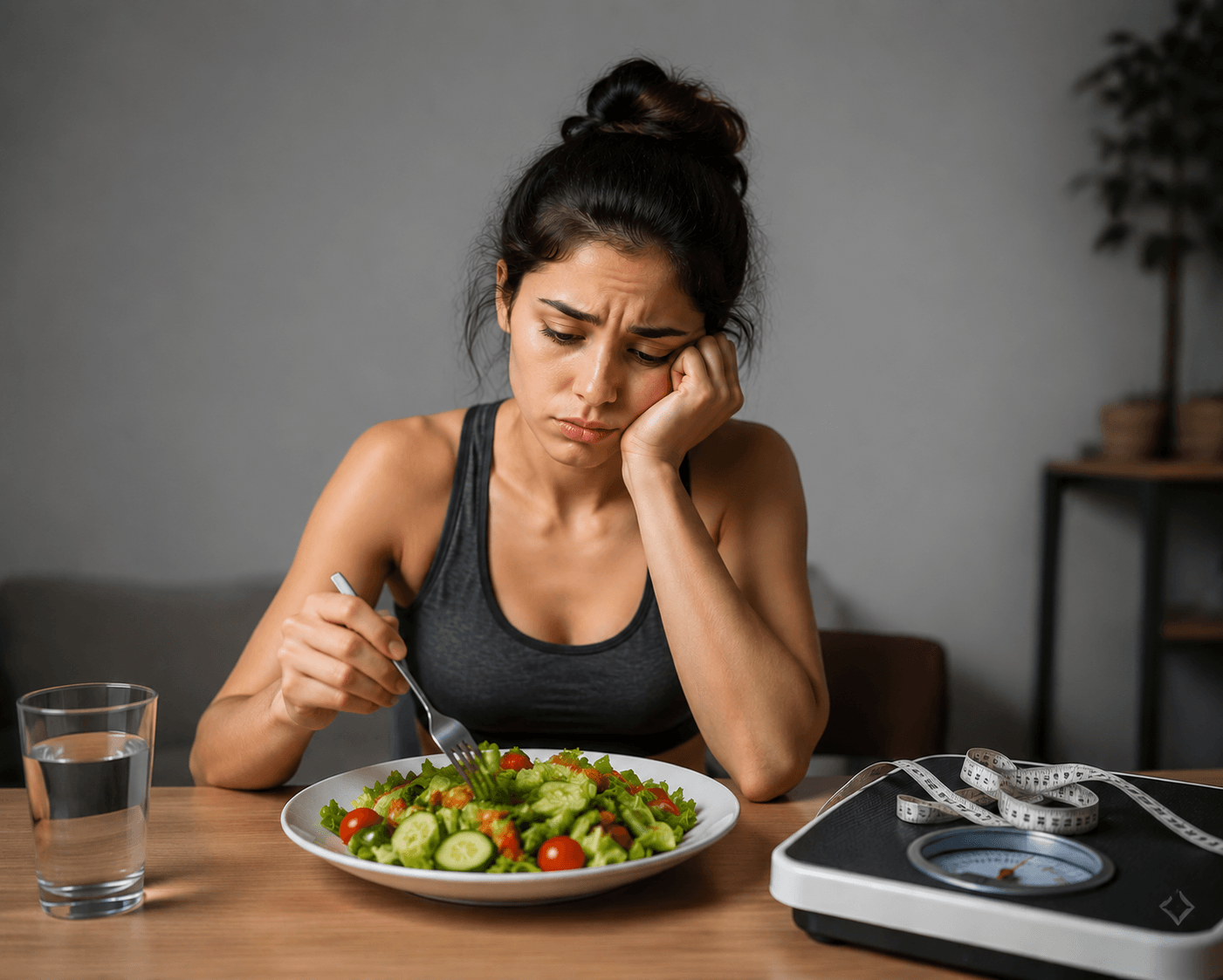
While healthy eating and regular exercise are essential for everyone, many women with PCOS find that they continue to gain weight—or struggle to lose it—even when they follow a balanced diet.
This often leads to frustration, self-doubt, and the feeling that they're doing something wrong.
The reality is that PCOS is a hormonal and metabolic condition, and for many women, diet alone isn't enough to overcome the biological factors contributing to weight gain.
If you're looking for weight loss injections in Mumbai or exploring medical options for PCOS-related weight management, understanding why weight loss is different with PCOS is the first step toward finding an effective, long-term solution.
Polycystic Ovary Syndrome (PCOS) is one of the most common hormonal disorders affecting women of reproductive age.
Although symptoms vary, PCOS may cause:
Beyond reproductive health, PCOS also affects metabolism, making weight management more complex.

Weight gain associated with PCOS isn't simply caused by eating too much. Several biological processes work together to make losing weight more challenging.
One of the biggest reasons women with PCOS struggle to lose weight is insulin resistance. When the body becomes resistant to insulin, more insulin is produced, fat storage increases, hunger may increase, and sugar cravings become more common. High insulin levels also encourage the body to store fat, particularly around the abdomen — this is why many women with PCOS notice persistent belly fat despite dieting.
Many women with PCOS experience frequent hunger, cravings for sweets, emotional eating, and difficulty feeling full. These symptoms aren't simply about willpower. Hormonal changes can alter appetite regulation, making healthy eating much harder to maintain over time.
PCOS affects several hormones involved in metabolism including insulin, androgens (male hormones), estrogen, and progesterone. These hormonal changes can influence appetite, fat distribution, energy levels, and metabolic rate. As a result, two women eating the same diet may experience very different weight-loss outcomes.
Some research suggests that women with PCOS may have subtle differences in energy metabolism. This means that even when calorie intake is reduced, weight loss may occur more slowly than expected.

Healthy eating remains one of the most important parts of PCOS management. However, diet alone may not fully address:
This is why many women lose only a small amount of weight—or none at all—even after months of consistent effort.
When lifestyle changes are combined with appropriate medical treatment, better outcomes are often possible.
Weight gain affects more than physical health. Many women with PCOS report:
Struggling with weight despite effort can deeply affect self-esteem and body image.
Persistent weight challenges linked to PCOS often contribute to ongoing worry and emotional distress.
Repeated failed attempts to lose weight despite dieting can feel exhausting and discouraging.
Social stigma around weight can make women with PCOS feel misunderstood or unfairly judged.
When results don't come despite effort, it can create the belief that weight loss is simply impossible.
Repeated dieting without results can create the belief that weight loss is impossible. Understanding the biological basis of PCOS can help reduce self-blame and encourage a more realistic, medically guided approach.

Although diet alone may not solve the problem, healthy habits remain essential. A balanced PCOS management plan includes:

For some women, lifestyle changes alone may not provide the desired results. In suitable candidates, weight loss injections may be considered as part of a medically supervised treatment plan.
GLP-1–based medications work by:
Some studies suggest that women with PCOS may experience improvements in weight, waist circumference, and certain metabolic markers when GLP-1 therapies are combined with lifestyle changes.
These medications are not a cure for PCOS, but they may help address one of its most challenging aspects—weight management.
A healthcare professional may consider additional treatment options if you:
Treatment decisions should always be individualized after a thorough medical assessment.

Before starting any weight-loss treatment, your doctor may recommend checking:
To assess how well the body is regulating glucose and identify any signs of insulin resistance or pre-diabetes.
A three-month average of blood sugar levels, providing a broader picture of metabolic health.
To rule out thyroid disorders that may independently contribute to weight gain or difficulty losing weight.
To evaluate cholesterol and triglyceride levels, which are often affected in women with PCOS.
Low Vitamin D levels are commonly found in women with PCOS and may affect overall metabolic function.
To check for anaemia and assess hormone levels including androgens, estrogen, and progesterone.
These tests help identify other factors that may affect weight loss and overall health.
PCOS is a lifelong condition that often requires long-term management rather than a short-term solution.
A comprehensive treatment plan may include:
This approach addresses the underlying causes of weight gain instead of focusing only on calorie restriction.
Awareness about PCOS and obesity has increased significantly in recent years. Many women are now seeking weight loss injections in Mumbai because they want a treatment plan that considers:
Addressing the root hormonal causes, not just the symptoms.
Targeting the metabolic dysfunction that drives weight gain.
Managing hunger signals to support sustainable habits.
Building lasting results rather than temporary fixes.
Modern obesity management recognizes that successful weight loss often requires more than diet alone.
If you've been eating well, exercising regularly, and still struggling to lose weight with PCOS, you're not alone—and it doesn't mean you've failed.
PCOS affects hormones, insulin sensitivity, and metabolism in ways that make weight management more complex than simply "eating less."
The most effective approach combines balanced nutrition, regular exercise, good sleep, stress management, medical evaluation, and appropriate treatment when needed.
For women exploring weight loss injections in Mumbai, working with an experienced healthcare professional can help create a personalized plan that supports healthy, sustainable weight loss while addressing the underlying metabolic challenges of PCOS.
Consult with our experts at MOH Clinics to explore how advanced weight loss therapies and personalized programs can help you achieve your health goals safely.
Book Consultation