Follow Us:



When people begin a medical weight loss program, they often focus on one thing—losing kilograms.
Whether you're following a healthy diet, increasing your physical activity, or taking weight loss injections, the number on the scale quickly becomes the main measure of success.
However, successful weight loss isn't just about losing weight—it's about losing fat while preserving muscle, maintaining energy, and protecting your overall health.
This is where protein becomes one of the most important nutrients in your diet.
Unfortunately, many people unintentionally eat too little protein during weight loss because their appetite decreases. While eating less can help create a calorie deficit, it can also increase the risk of muscle loss, fatigue, nutritional deficiencies, and even hair fall if protein intake is inadequate.
If you're considering weight loss injections in Mumbai or following a medically supervised weight loss program, understanding the role of protein can help you achieve healthier and more sustainable results.
Protein is one of the three major macronutrients your body needs to function properly.
Unlike carbohydrates and fats, protein is responsible for building, repairing, and maintaining body tissues.
During weight loss, protein helps:
Without enough protein, the body may begin breaking down muscle tissue along with fat.
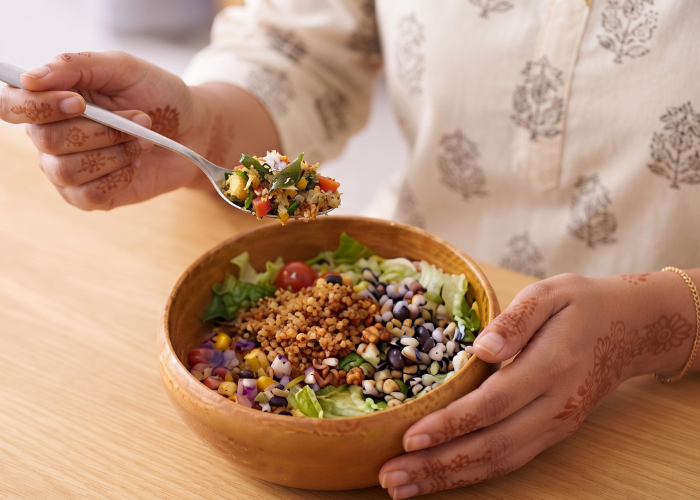
Many people believe all weight loss is good weight loss.
In reality, the goal should be to lose body fat—not muscle.
Muscle plays an important role in:
The more muscle you preserve during weight loss, the easier it becomes to maintain your results over time.
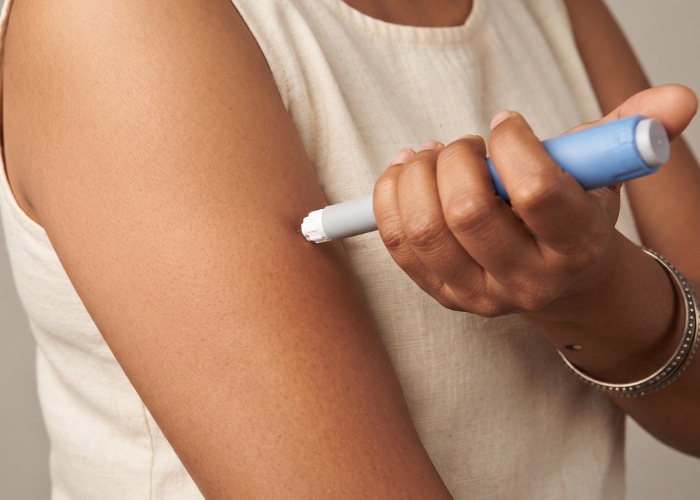
Medications such as GLP-1 receptor agonists reduce appetite and help you feel full after eating smaller portions.
While this supports weight loss, it also creates a new challenge.
Many patients unintentionally:
This makes it even more important to choose nutrient-dense foods rather than simply eating less.
Low protein intake doesn't always produce obvious symptoms immediately.
Over time, you may notice:
If you're experiencing these symptoms during weight loss, it's worth discussing your diet with your healthcare provider or dietitian.
There is no single protein target that works for everyone.
Your ideal intake depends on factors such as:
Many obesity specialists recommend a higher protein intake during weight loss than what is needed for general health to help preserve muscle and improve satiety.
Rather than calculating it yourself, it's best to work with a healthcare professional who can determine the amount that's appropriate for your individual needs.
Choosing high-quality protein sources ensures you get essential amino acids along with important vitamins and minerals.
Excellent options include:
Vegetarian and vegan options include:
Combining different plant protein sources throughout the day can help provide a complete amino acid profile.
Yes.
Instead of eating most of your protein at dinner, try spreading it throughout the day.
A balanced plate should ideally include:
Distributing protein evenly across meals helps support muscle maintenance and keeps you feeling satisfied between meals.
One of protein's greatest advantages is its ability to help manage hunger.
Compared to refined carbohydrates, protein generally:
When combined with GLP-1 medications, adequate protein intake can make it easier to maintain healthy eating habits without feeling deprived.
One concern during significant weight loss is temporary hair shedding.
Hair is primarily made of keratin, a structural protein.
When dietary protein is insufficient, the body may prioritize essential organs over hair growth.
Although hair loss during weight loss can have several causes, maintaining adequate protein intake is one of the simplest ways to support healthy hair.
More protein isn't always better.
Excessive protein intake offers no additional weight-loss benefits and may not be suitable for everyone, particularly individuals with certain kidney conditions.
The goal is adequate—not excessive—protein intake based on your personal health needs.
This is another reason why individualized nutritional guidance is important.
Reduced appetite is common during medical weight loss.
Instead of skipping meals completely, choose smaller portions of nutrient-rich foods.
Easy protein-rich options include:
Eating smaller meals more frequently may help you meet your nutritional needs without feeling uncomfortable.
Not everyone requires protein powders or supplements.
Whole foods should always be the first choice whenever possible.
However, supplements may be useful if:
Choose supplements only after discussing them with your medical team.

Protein works best when paired with regular resistance exercise.
Strength training sends a signal to your body to preserve muscle while losing fat.
Activities include:
Even two or three sessions each week can make a meaningful difference.
Many people unknowingly make these mistakes:
A dramatically reduced appetite can lead to inadequate protein intake.
Missing the first meal often means missing an important opportunity to consume protein.
Many packaged "healthy snacks" are low in protein and high in refined carbohydrates.
The scale may show progress even while muscle mass decreases. This is why body composition matters more than body weight alone.
Protein isn't just helpful while losing weight.
It also plays a key role after reaching your goal.
A protein-rich diet may help:
Long-term success depends on maintaining these healthy nutritional patterns.
Medical weight loss is about much more than prescribing medication.
A comprehensive program includes:
This ensures your body receives the nutrients it needs while achieving healthy fat loss.
At MOH Clinic, every weight loss plan is designed to promote sustainable results—not just rapid weight reduction.
Our medically supervised programs include:
We believe that successful weight loss means protecting your muscle, metabolism, and overall health while helping you achieve your long-term goals.
Protein is one of the most powerful tools for healthy weight loss.
It helps preserve muscle, supports metabolism, reduces hunger, and protects your body from many of the nutritional challenges that can occur during calorie restriction.
Remember these key points:
If you're considering weight loss injections in Mumbai or starting a medically supervised weight loss program, ensuring adequate protein intake is one of the simplest and most effective ways to improve your results while supporting your long-term health.
Ready to start your weight loss journey the right way? Book a consultation at MOH Clinic for a personalized nutrition and medical weight loss plan that helps you lose fat, preserve muscle, and achieve lasting results.
Book a consultation at MOH Clinic for a personalized nutrition and medical weight loss plan that helps you lose fat, preserve muscle, and achieve lasting results.
Book Consultation