Follow Us:


Clinical trial results have shown remarkable weight loss outcomes, leading many experts to believe that Retatrutide could redefine how obesity is treated in the future. As awareness grows, patients are increasingly asking important questions:
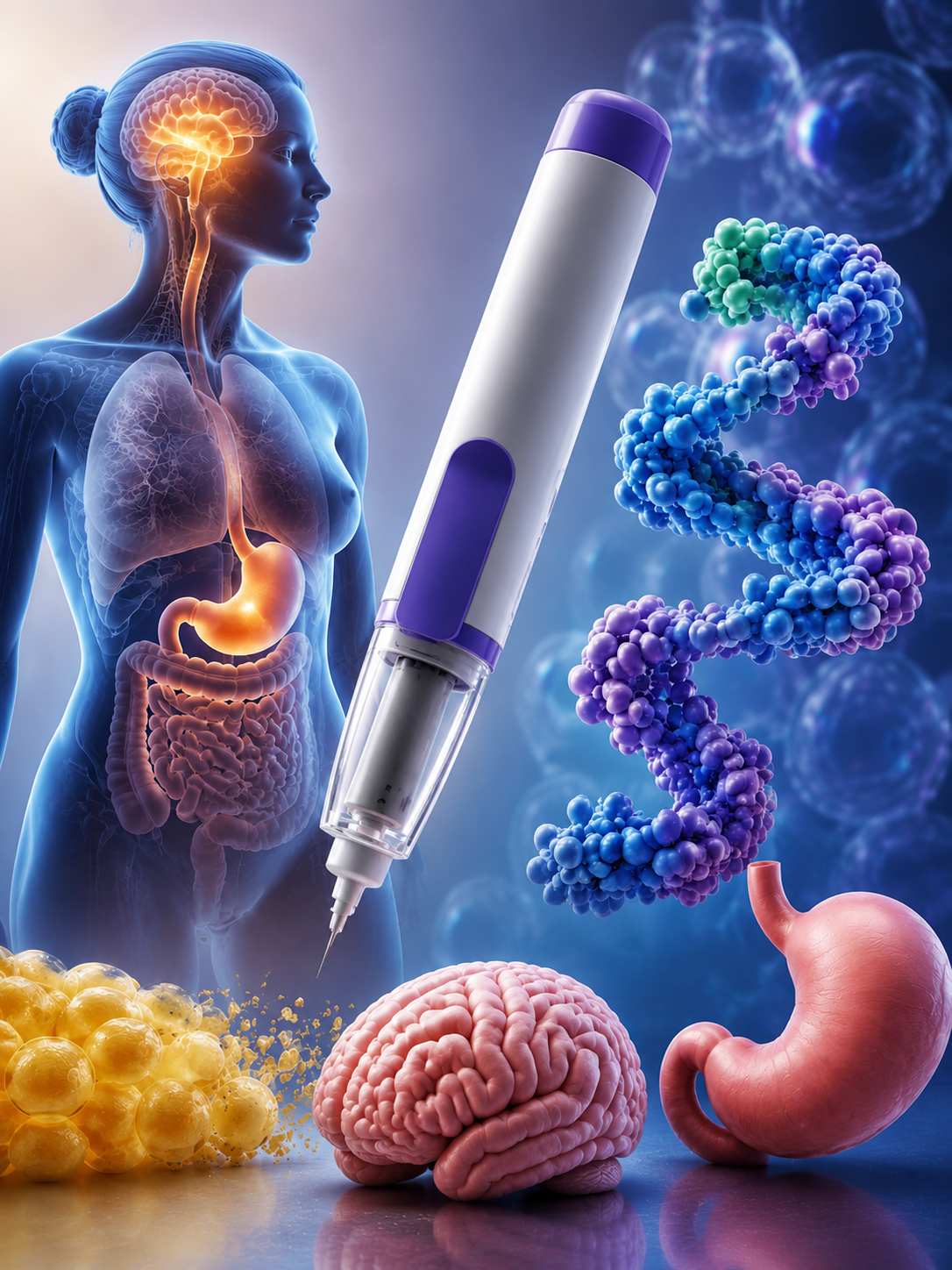
Retatrutide is an investigational weight loss and metabolic treatment developed by pharmaceutical company Eli Lilly. Unlike traditional weight loss medications that target a single hormone, Retatrutide works through a unique triple-hormone mechanism, making it one of the most advanced obesity treatments currently being studied.
It activates three receptors simultaneously:
Helps reduce appetite and increase feelings of fullness.
Supports insulin regulation and metabolic health.
Increases energy expenditure and helps the body burn stored fat more efficiently.
Weight loss medications have improved dramatically over the past decade. First came GLP-1 medications such as Ozempic and Wegovy. Then Mounjaro introduced dual-hormone therapy.
Now Retatrutide has taken things one step further by targeting three pathways involved in metabolism and weight regulation. The excitement largely comes from its clinical trial results, which have exceeded expectations and generated interest among obesity specialists worldwide.
To understand Retatrutide, it helps to understand why losing weight is often difficult. Weight gain is not simply caused by overeating — hormones, insulin resistance, metabolism, genetics, stress, and appetite regulation all play important roles. Retatrutide addresses several of these factors simultaneously.

Bottom line: Retatrutide doesn't just suppress appetite — it simultaneously improves insulin function and boosts calorie burning, making it a uniquely powerful metabolic tool.
The biggest reason Retatrutide has become one of the most discussed obesity treatments is its impressive weight loss results. Clinical studies have shown participants achieving substantial reductions in body weight over extended treatment periods.
These results are among the strongest ever reported for a non-surgical obesity treatment, explaining the enormous interest from specialists worldwide.
Many patients struggle to understand what percentages actually mean. Here are practical examples:
Starting Weight: 100 kg
A 30% reduction = approximately 30 kg lost → Final weight ~70 kg
Starting Weight: 120 kg
A 30% reduction = approximately 36 kg lost → Final weight ~84 kg
Individual results will vary based on metabolism, lifestyle and treatment adherence.
If approved, Retatrutide may be suitable for individuals who:
Because Retatrutide addresses insulin resistance, hormonal imbalance, and metabolic dysfunction simultaneously, researchers believe it may help reduce abdominal fat as part of overall body weight reduction.
Weight loss with Retatrutide is gradual rather than immediate. Here is what the evidence suggests:
Patients may notice reduced appetite, smaller portion sizes, and fewer cravings. These early signals indicate the medication is working.
Weight loss often becomes noticeable on the scale. Metabolic improvements also begin to emerge at this stage.
More significant body composition changes typically occur. This is when major weight reductions have been observed in clinical trials.
Clinical trials suggest weight loss continues progressively over extended periods of treatment with consistent use.

Like other medications in this category, Retatrutide may cause side effects. Most side effects reported in studies were gastrointestinal in nature and are similar to those seen with Ozempic and Mounjaro.
In most cases, side effects improve as the body adjusts to treatment. Doctors often use gradual dose escalation to help reduce discomfort. Patients who follow medical guidance usually tolerate treatment better than those who increase doses too quickly.
Many patients want to understand how Retatrutide compares with currently available weight loss injections. Here is a clear breakdown:
| Medication | Mechanism | Receptors Targeted | Weight Loss Potential |
|---|---|---|---|
| Ozempic / Wegovy | Single-action | GLP-1 only | Up to ~15% |
| Mounjaro | Dual-action | GLP-1 + GIP | Up to ~20–22% |
| Retatrutide | Triple-action | GLP-1 + GIP + Glucagon | Up to ~28–30% |
This additional glucagon mechanism may contribute to the stronger weight loss outcomes observed in clinical trials. However, different patients respond differently — some individuals may continue to achieve excellent results with Mounjaro or Wegovy.
At present, Retatrutide is still undergoing clinical development and regulatory review. It has not yet received widespread approval for commercial use.
Important: Patients should avoid purchasing unregulated versions from unauthorized sources. Always consult qualified healthcare professionals before considering any weight loss treatment.
Official pricing has not been announced. However, based on current obesity medications, experts expect Retatrutide to be positioned as a premium treatment when launched.
Pricing may depend on:
Cost estimates will become clearer once approval and commercialization plans are finalized by Eli Lilly and regulatory bodies.

The emergence of Retatrutide reflects a major shift in obesity medicine. Healthcare professionals increasingly recognize that obesity is not simply a matter of willpower. It is a complex metabolic condition influenced by hormones, appetite regulation, insulin sensitivity, and energy balance.
Treatments like Retatrutide are designed to address these biological mechanisms directly. This represents a move away from extreme dieting toward more science-based, personalized obesity care.
Retatrutide is quickly becoming one of the most promising developments in obesity treatment. Its triple-hormone mechanism and impressive clinical trial results have positioned it as a potential game-changer for patients struggling with long-term weight management.
While questions around availability, pricing, and long-term safety remain, current evidence suggests that Retatrutide may offer some of the most significant non-surgical weight loss results seen to date. As research continues and regulatory approvals progress, it could play an important role in the future of obesity care in India and globally.