Follow Us:


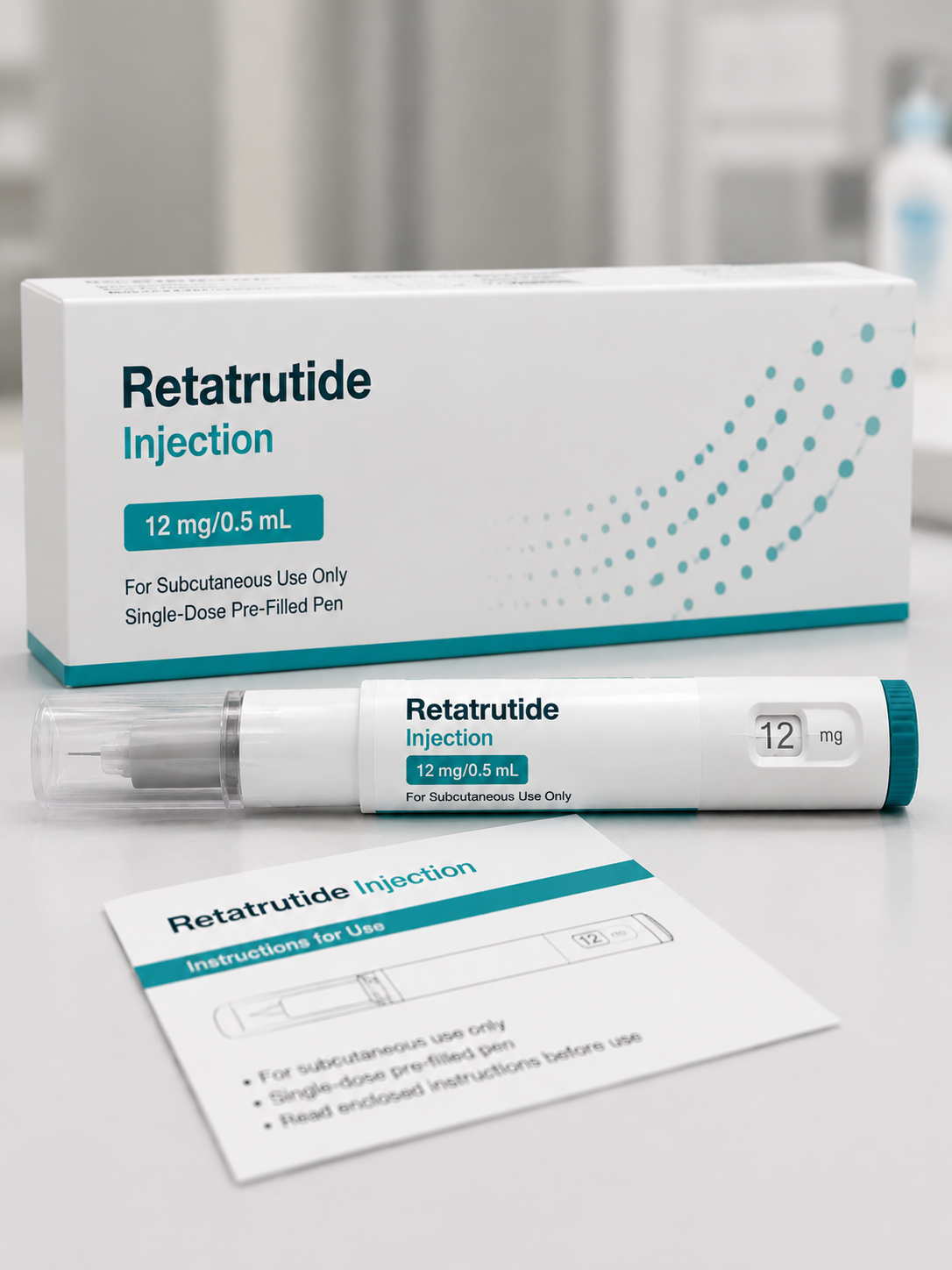
The field of medical weight loss is evolving rapidly, and few treatments have generated as much excitement as Retatrutide. Often described as the next generation of obesity treatment, Retatrutide has demonstrated remarkable weight loss results in clinical trials, leading many healthcare professionals to view it as a potential breakthrough in obesity management.
As awareness grows, patients in Mumbai are increasingly asking:
While Retatrutide is still progressing through regulatory pathways, understanding which patients may benefit from this advanced therapy can help individuals prepare for future treatment options.
| Aspect | Details |
|---|---|
| Overview |
Retatrutide is a next-generation injectable medication designed for obesity and metabolic health management. |
| Triple Hormone Mechanisms |
Unlike traditional GLP-1 medications that target a single hormone pathway, Retatrutide works through three mechanisms:
|
| Key Influences |
This triple-action approach helps influence:
|
| Clinical Weight Loss Results |
Because of this unique mechanism, researchers have reported some of the highest weight loss results ever seen with a non-surgical obesity treatment. |

Most weight loss medications primarily focus on reducing hunger.
Retatrutide takes a broader approach.
It not only helps control appetite but may also improve how the body utilizes energy and manages metabolic function.
This is why obesity specialists are paying close attention to its potential role in future weight management programs.
Not everyone struggling with weight requires advanced medical therapy. However, certain individuals may be particularly suitable candidates.

Patients with obesity are likely to be among the primary candidates for Retatrutide.
Obesity is a chronic medical condition that increases the risk of:
For individuals who have struggled with long-term weight gain despite lifestyle changes, advanced therapies may offer additional support.
Many patients have spent years trying:
While some initially lose weight, maintaining results can be extremely difficult.
This often occurs because obesity involves more than willpower.
Hormones, metabolism, appetite regulation, and insulin function all influence body weight. Retatrutide is designed to target several of these biological factors.


Abdominal obesity is often associated with:
Patients carrying excess weight around the waist may particularly benefit from treatments that improve metabolic health alongside weight reduction.
Insulin resistance is becoming increasingly common in India.
Symptoms may include:
Because Retatrutide affects multiple metabolic pathways, it may become an important future option for patients struggling with insulin resistance-related weight gain.


One of the most challenging aspects of Polycystic Ovary Syndrome (PCOS) is weight management.
Many women experience:
Traditional dieting often produces disappointing results because the underlying metabolic issues remain unresolved.
Future obesity treatments such as Retatrutide may provide additional support for women facing these challenges.
Not every patient wants surgery.
Some individuals may:
Because Retatrutide has demonstrated significant weight loss potential in clinical studies, it is being discussed as a possible option for patients seeking substantial weight reduction without surgery.


Current medications such as:
Have helped many patients.
However, not everyone responds equally.
Some individuals experience:
Retatrutide's triple agonist mechanism may offer a different therapeutic approach for certain patients.
While Retatrutide shows promise, it may not be suitable for everyone.
Future eligibility criteria will depend on regulatory approvals and physician evaluation.
Generally, caution may be required for:
Medical assessment will remain essential before starting any advanced weight loss treatment.


One reason Retatrutide has generated so much interest is its impressive clinical data.
Studies have shown:
While individual outcomes vary, researchers have reported weight loss levels approaching those seen with some surgical interventions. This has positioned Retatrutide as one of the most anticipated obesity treatments currently under development.
At present, Retatrutide is not yet widely available for routine clinical use.
It remains under regulatory review and ongoing evaluation.
However, many obesity specialists are closely following developments because of its potential to transform obesity treatment in the coming years. Patients interested in advanced medical weight management should stay informed and seek guidance from qualified obesity specialists regarding currently available treatment options.


One of the biggest misconceptions in weight loss treatment is that a single solution works for everyone.
In reality, successful obesity management depends on understanding:
A comprehensive evaluation helps determine whether advanced therapies are appropriate and which approach is most likely to deliver sustainable results.
The conversation around obesity is changing.
Healthcare professionals increasingly recognize that obesity is a complex medical condition rather than simply a matter of willpower.
Innovations such as Retatrutide represent a shift toward:
As research continues, these advancements may provide new opportunities for patients who have struggled with traditional approaches.

Retatrutide is emerging as one of the most promising developments in obesity medicine. Its triple agonist mechanism and impressive clinical trial outcomes have positioned it as a potential game-changer for patients seeking meaningful and sustainable weight loss.
While availability and regulatory approval are still evolving, certain groups—including individuals with obesity, insulin resistance, PCOS, metabolic syndrome, or previous weight loss challenges—may eventually become ideal candidates for this advanced therapy.
For patients in Mumbai exploring medical weight management, understanding the science behind emerging treatments like Retatrutide is an important step toward making informed decisions about future care.