Follow Us:


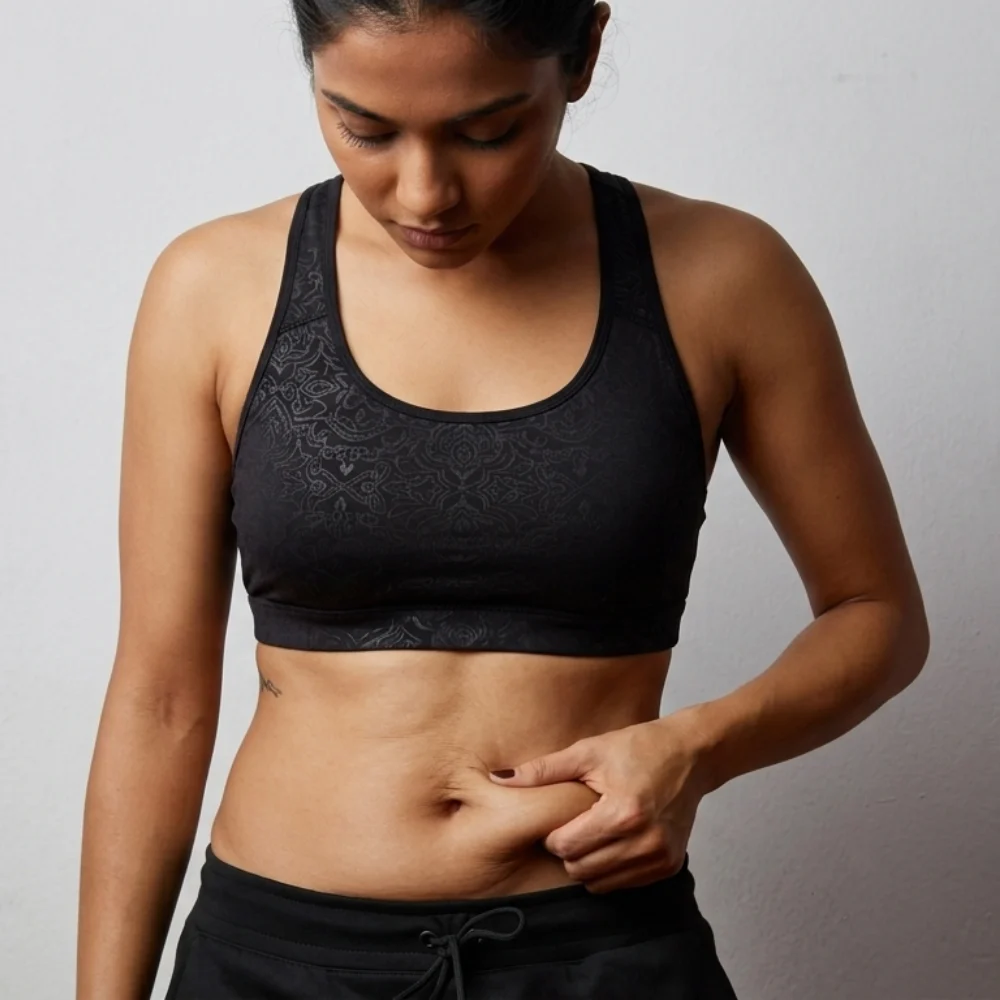
Losing excess weight can be a major health achievement, but some people are left with loose, sagging or crepey skin afterward. This can happen after substantial weight loss, including weight loss achieved through lifestyle changes or medically supervised weight loss injections in Mumbai. While the body becomes smaller, the skin may not always shrink at the same rate.
The good news is that there are several ways to improve the appearance of loose skin. The right approach depends on how much skin has been lost, your age, skin elasticity, how quickly you lost weight and whether the concern is mild laxity or significant excess skin. At MOH Clinics, post-weight-loss concerns can be assessed individually to determine whether lifestyle measures, non-surgical treatments or a surgical approach may be more appropriate.
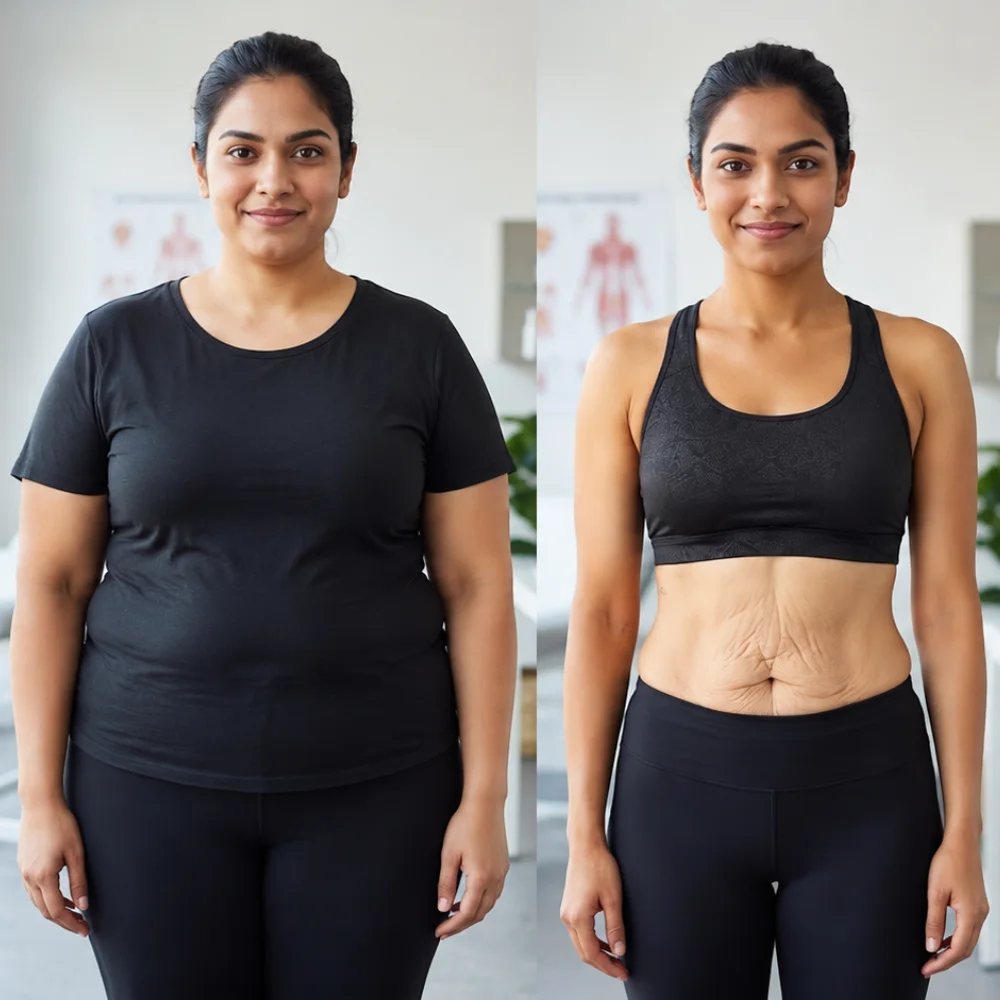
Your skin has natural elasticity because of structural proteins such as collagen and elastin. When the body gains weight, the skin stretches to accommodate the increased volume.
After substantial weight loss, the underlying tissue becomes smaller. However, stretched skin may not completely contract, particularly when the weight gain and loss have been significant or occurred over a long period.
Several factors can influence how much loose skin develops, including:
This is why two people who lose the same amount of weight can have very different changes in their skin.
No.
Some people experience very little noticeable skin laxity, while others may develop significant folds of excess skin.
The greater the amount of weight lost, the more likely loose skin may become noticeable. However, the amount of weight lost alone does not determine the outcome.
For example, someone who loses 20 kg may have relatively little loose skin, while another person with the same weight loss may notice considerable laxity around the abdomen, arms or thighs.
Individual skin elasticity plays an important role.
Sometimes, yes — but the degree of improvement varies.
After weight loss, the skin may gradually adapt to the body's new size. This process can take months, and some improvement may occur as weight stabilises.
However, lifestyle changes cannot always eliminate significant excess skin.
It is useful to distinguish between loose skin and excess skin.
Mild laxity may improve with time, muscle development and improved skin quality. Significant excess skin may remain even after a person reaches and maintains a healthy weight.
If you have recently lost a significant amount of weight, your body may still be adapting.
It is often sensible to allow your weight to stabilise before making decisions about more permanent cosmetic treatments.
This is particularly relevant for people undergoing medically supervised weight management with weight loss injections in Mumbai. As weight changes over time, the appearance of the skin can change as well.
Your doctor can help determine when your weight has become sufficiently stable to assess the remaining skin laxity.

Exercise cannot remove excess skin, but building muscle can improve the overall shape of the body underneath loose skin.
Strength training can be particularly useful because increasing or maintaining muscle mass may make areas of lax skin appear more supported and toned.
Useful exercises can include:
The exercise programme should be appropriate for your fitness level and medical condition.
For people who have lost a significant amount of weight, preserving muscle is also important for long-term weight management.
Nutrition plays an important role in maintaining muscle and supporting normal skin structure.
Protein provides amino acids needed for tissue maintenance and repair. During significant weight loss, inadequate protein intake combined with insufficient resistance exercise can contribute to loss of lean mass.
Good protein sources include:
Your individual protein requirement depends on factors such as body weight, activity level, age, kidney health and overall diet.
If you are using weight loss injections in Mumbai, nutrition should remain an important part of your treatment plan rather than relying on the medication alone.
Adequate hydration supports normal skin function, although drinking more water cannot directly remove excess skin.
If you are frequently dehydrated, your skin may appear drier and less supple.
Aim for adequate fluid intake throughout the day and pay attention to factors such as exercise, weather and individual medical needs.
Hydration works best as part of an overall healthy lifestyle rather than as a standalone solution for loose skin.
This is one of the most common questions after weight loss.
Moisturisers and skincare products can improve hydration and make the skin feel smoother. Ingredients such as retinoids may also influence skin appearance over time when appropriately used.
However, topical creams cannot physically remove significant excess skin.
If the main problem is stretched or redundant skin following substantial weight loss, a cream is unlikely to produce a dramatic tightening effect.
Skincare can support skin quality, but expectations should remain realistic.
For people with mild to moderate laxity, non-surgical treatments may be considered.
Depending on the area and the degree of laxity, options may include technologies based on:
These treatments generally aim to improve skin quality and stimulate collagen remodelling rather than physically remove excess skin.
The results are therefore usually more subtle than surgery.
Whether a non-surgical treatment is worthwhile depends on how much laxity is present and what you expect to achieve.
Collagen plays an important role in the strength and structure of the skin.
Certain aesthetic treatments are designed to stimulate collagen production and may help improve skin texture, firmness or mild laxity.
For selected patients, injectable collagen biostimulators such as poly-L-lactic acid (PLLA) may be considered, particularly when the concern involves skin quality and mild laxity rather than large amounts of excess skin.
These treatments do not remove hanging skin.
They are better understood as options for improving the quality and appearance of suitable skin rather than replacing surgery.
Loose skin is not limited to the abdomen, arms or thighs.
Significant weight loss can also change facial volume.
Some people notice:
This can happen because facial fat volume changes along with overall body weight.
In selected patients, treatments that restore volume or stimulate collagen may improve facial appearance. The appropriate treatment depends on whether the primary issue is volume loss, skin laxity or both.
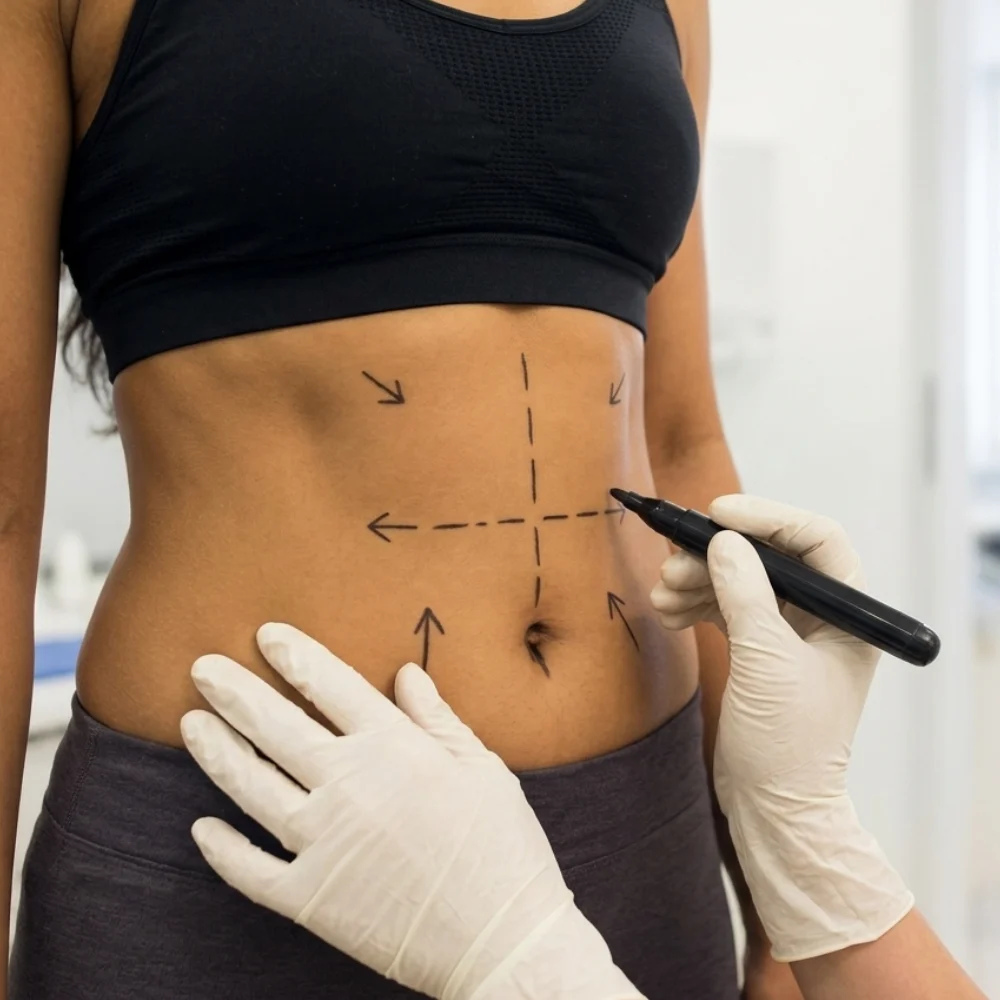
If there is a large amount of excess skin, non-surgical treatments may not provide the degree of correction you are looking for.
Surgical body-contouring procedures can remove excess skin and reshape specific areas.
Depending on the individual, procedures may include:
A tummy tuck, or abdominoplasty, removes excess abdominal skin and may also address separation or weakness of the abdominal muscles in selected patients.
An arm lift, or brachioplasty, removes excess skin from the upper arms.
A thigh lift may be considered when substantial loose skin remains around the inner or outer thighs.
For some patients following major weight loss, excess skin may extend around the abdomen, hips, back and buttocks. A lower body lift can address a broader area.
Significant weight loss can also affect breast volume and skin. A breast lift may be considered when sagging or excess skin is the main concern.
The appropriate procedure depends on your anatomy, amount of excess skin, overall health and treatment goals.
| Concern | Non-surgical approach | Surgical approach |
|---|---|---|
| Mild skin laxity | May be suitable | Usually unnecessary |
| Mild crepey skin | May improve skin quality | Usually unnecessary |
| Small amount of excess skin | May provide some improvement | May be considered depending on severity |
| Significant excess skin | Usually limited effect | Often more effective |
| Need to remove excess skin | Cannot remove it | Can surgically remove excess skin |
| Downtime | Generally shorter | Longer recovery |
| Scarring | Usually minimal depending on treatment | Surgical scars are expected |
The right choice is not simply about choosing the least invasive treatment. It is about matching the treatment to the actual problem.
People using medically supervised weight loss injections in Mumbai may experience substantial weight reduction over time.
As the body becomes smaller, previously stretched skin can become more noticeable.
This does not necessarily mean that the medication has damaged the skin.
The underlying issue is usually related to the amount and speed of weight reduction, changes in body composition, skin elasticity and individual factors.
This is why weight management should ideally include more than monitoring the number on the weighing scale.
A comprehensive approach may include:
There is no guaranteed way to prevent loose skin after significant weight loss.
However, several habits may support healthier body composition and skin quality.
Very rapid weight loss may make changes in body composition more pronounced. A medically appropriate rate of weight loss is generally preferable to extreme dieting.
Adequate protein can help support lean muscle during weight loss.
Strength training can help preserve muscle mass while reducing body fat.
Chronic UV exposure contributes to collagen breakdown and skin ageing.
Smoking can adversely affect skin quality and collagen.
Repeated cycles of major weight gain and loss can place additional stress on the skin.
Consider discussing treatment options with a qualified doctor if:
A consultation can help determine whether the issue is primarily excess skin, loss of volume, reduced skin quality or a combination of these.
There is no single waiting period that applies to everyone.
If you are still actively losing weight, the appearance of your skin may continue to change.
For body-contouring surgery in particular, doctors generally want patients to have achieved a stable weight before planning surgery. The appropriate timing depends on the amount of weight lost, overall health and whether further weight reduction is expected.
For non-surgical treatments, timing can also depend on the condition of the skin and whether additional weight loss is planned.
The most realistic approach is to think about loose skin in layers.
For mild laxity:
Time, nutrition, strength training and
appropriate skin treatments may improve the appearance.
For moderate laxity:
Non-surgical collagen- or energy-based
treatments may be considered in selected patients.
For significant excess skin:
Surgical body contouring may
provide a more substantial change because excess tissue can actually be removed.
There is no single treatment that works equally well for everyone.
Loose skin after weight loss is common, particularly after substantial weight reduction, but the right solution depends on how much skin laxity or excess tissue remains.
If you are undergoing medical weight management with weight loss injections in Mumbai, it is worth thinking beyond weight loss alone. Preserving muscle, maintaining adequate nutrition, exercising regularly and allowing your weight to stabilise can all contribute to a better overall body-composition outcome.
For mild laxity, non-surgical and collagen-stimulating treatments may provide improvement in appropriately selected patients. When significant excess skin remains, surgical body contouring may be a more suitable option.
At MOH Clinics, a personalised assessment can help determine whether your concern is primarily loose skin, loss of volume, or excess tissue and which treatment approach may be appropriate. Book a consultation to discuss your post-weight-loss skin concerns and explore your options.
Speak with our medical specialists at MOH Clinics in Mumbai for a personalized evaluation, expert guidance on GLP-1 therapies, customized nutrition planning, and dedicated ongoing care.
Book Consultation