Follow Us:



For many people, Mounjaro feels life-changing.
The constant hunger fades. Portion sizes become smaller. Weight starts coming down. Energy levels improve.
Then a new question arises: "What happens when I stop taking it?"
It's one of the most common concerns among patients exploring Mounjaro weight loss injection treatments. Whether you're considering treatment, currently taking it, or nearing your target weight, understanding what happens after discontinuation is important for setting realistic expectations.
The answer is simple but important: Stopping Mounjaro does not automatically mean you'll regain all your weight—but maintaining results becomes significantly more challenging without a long-term plan.

| Aspect | Details |
|---|---|
| Overview |
Mounjaro (tirzepatide) works by targeting critical hormones involved in metabolic function and weight control. |
| Hormone Targeting |
The treatment acts as a dual receptor agonist, influencing:
|
| Patient Experience |
This dual action helps create an environment where patients notice:
|
The medication helps create an environment where weight loss becomes easier. But what happens when that support is removed?
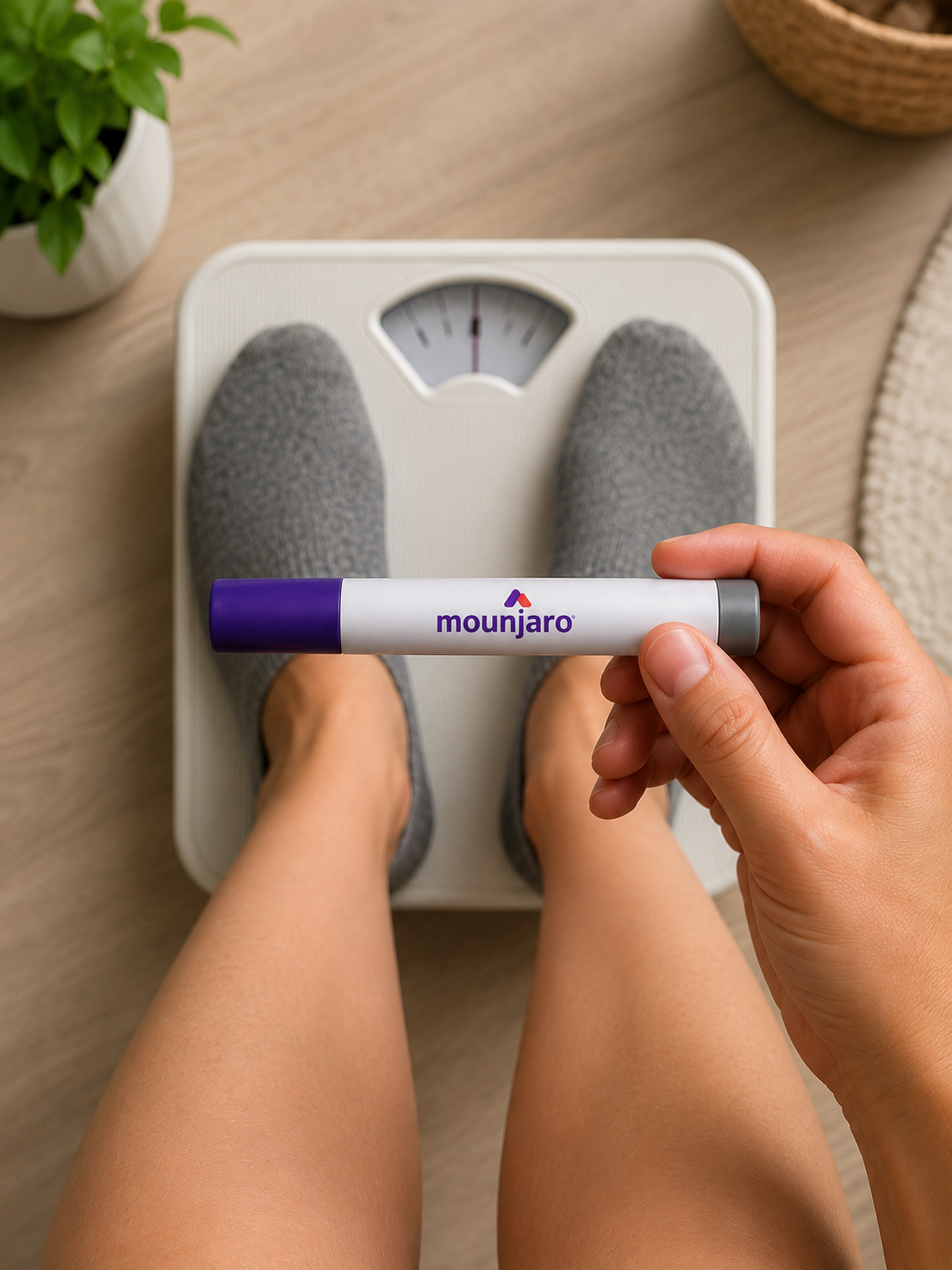
For many patients, the earliest changes are not visible on the scale.
Instead, they notice changes in appetite.
Some people experience:
This occurs because the appetite-regulating effects of tirzepatide gradually wear off after treatment stops. Not everyone experiences this to the same degree, but many patients notice a difference.
This is the question most people want answered.
The reality is that weight regain is common after discontinuing treatment.
Research from the SURMOUNT-4 trial found that people who stopped tirzepatide regained a significant portion of the weight they had previously lost, while those who continued treatment maintained or even increased their weight loss.
Additional research has shown that many individuals regain a substantial amount of lost weight within the first year after stopping treatment.
However, this does not mean weight regain is inevitable.


Many people assume weight regain happens because patients become careless.
The science suggests something more complex.
When Mounjaro is stopped:
These biological changes can make maintaining previous weight loss difficult.
One of the most frequently reported experiences after stopping Mounjaro is the return of what many patients call "food noise."
Food noise refers to:
During treatment, many patients describe a quieting of these signals.
After discontinuation, those thoughts may gradually return.


This is where things become interesting.
Weight loss naturally lowers calorie requirements.
When you weigh less:
This occurs regardless of whether weight loss was achieved through medication, diet, or surgery.
The challenge after stopping Mounjaro is that appetite often increases at the same time calorie needs decrease. This creates a perfect environment for weight regain.
No. Some people maintain most of their results. Others regain part of the weight. Some regain a significant amount. Current research suggests there is considerable variation between individuals, and experts still cannot reliably predict who will maintain weight loss successfully after stopping treatment.
Weight loss affects much more than appearance.
During treatment, patients often experience improvements in:
Research suggests that if substantial weight regain occurs, many of these health improvements may gradually diminish as well. This is one reason obesity specialists increasingly view obesity as a chronic condition requiring long-term management.

Consider this example:
A patient takes blood pressure medication. Their blood pressure improves. If they stop treatment, the condition often returns.
The same principle may apply to obesity treatment. For many individuals, Mounjaro is managing an underlying biological tendency toward weight gain rather than permanently curing it.
Many patients believe: "I've reached my goal weight, so the hard part is over."
In reality, maintenance is often more challenging than losing weight.
Common mistakes include:
Weight maintenance requires just as much attention as weight loss.

Although some weight regain is common, there are strategies that may help.
Avoid viewing treatment as a temporary diet. Focus on sustainable eating patterns.
Protein supports satiety, muscle maintenance, and metabolic health.
Exercise helps burn calories, preserve muscle mass, and improve insulin sensitivity once medication support is removed.
Small increases are easier to manage than significant regain. Tracking progress can help identify changes early.
Medical follow-up helps determine if additional support, maintenance strategies, or alternative treatment options are needed.

Treatment decisions should always be discussed with a qualified healthcare professional. Some patients stop due to cost, side effects, pregnancy planning, achievement of weight goals, or personal preference. The appropriate discontinuation strategy depends on individual circumstances.
This is one of the biggest debates in obesity medicine today. Many specialists increasingly view obesity as a chronic condition. For some individuals, short-term treatment may be sufficient. For others, ongoing treatment or maintenance therapy may provide better long-term results. There is no universal answer. Treatment should always be personalized.
Interest in Mounjaro Mumbai treatments continues to grow because more people are understanding that obesity is not simply about willpower.
Factors such as hormones, metabolism, appetite regulation, and insulin resistance play a significant role in long-term weight management. Whether you're starting treatment or considering stopping it, having a long-term strategy is often more important than the medication itself.
Stopping Mounjaro does not mean failure. However, it does mean the biological support that helped control hunger, cravings, and calorie intake gradually disappears.
Many patients experience:
The key lesson from current research is that obesity management does not end when the injections stop.
The most successful patients are usually those who use their time on Mounjaro to build sustainable habits that continue long after treatment ends. For individuals considering Mounjaro weight loss injection therapy, understanding the maintenance phase is just as important as understanding the weight loss phase itself.