Follow Us:


If you've been dieting consistently but still not seeing results, you're not alone. Many people follow strict meal plans, reduce calories, and even exercise regularly—yet the scale barely moves.
This can feel frustrating and confusing. After all, weight loss is often simplified as "eat less and move more." But in reality, the body is far more complex. Hormones, metabolism, and underlying health conditions play a significant role in determining how your body responds to diet.
In such cases, the issue may not be your effort—it may be your biology. Understanding the hormonal factors behind weight gain can help you choose the right approach, including modern solutions like Weight Loss Injections and medically supervised treatments.

While calorie balance matters, it's not the whole story.
Hormones regulate:
If your hormones are imbalanced, your body may:
This is why dieting alone doesn't always lead to weight loss.
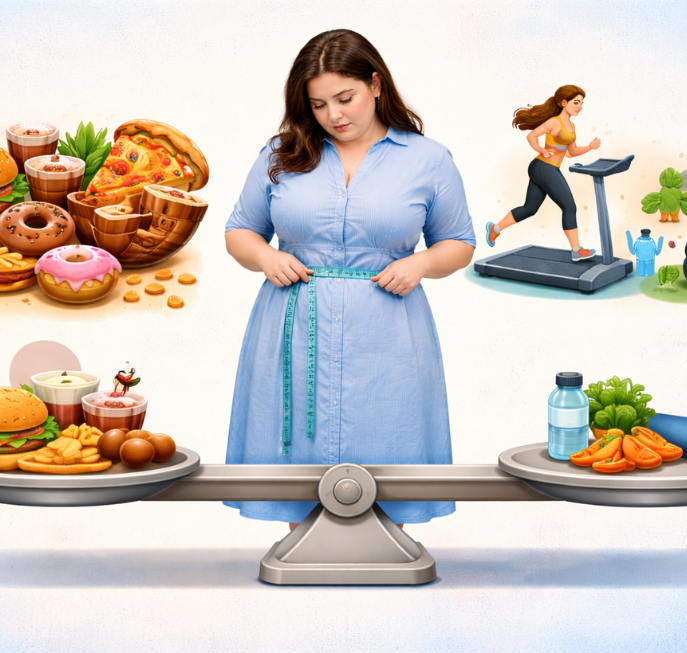
Understanding which hormones impact your weight is the first step towards finding the right solution.
Insulin controls blood sugar levels. When you develop insulin resistance, your body produces more insulin, which promotes fat storage—especially in the abdominal area.
👉 Result: Difficulty losing weight despite dieting
Chronic stress leads to high cortisol levels, which increase cravings for sugar and carbs and promote fat storage around the belly.
👉 Result: Stubborn belly fat
The thyroid regulates metabolism. When it's underactive (hypothyroidism), metabolism slows down and weight loss becomes harder.
👉 Result: Slow or no progress
These hormones control hunger and fullness. Leptin signals fullness while ghrelin signals hunger. An imbalance can cause constant hunger and overeating.
👉 Result: Difficulty maintaining calorie deficit
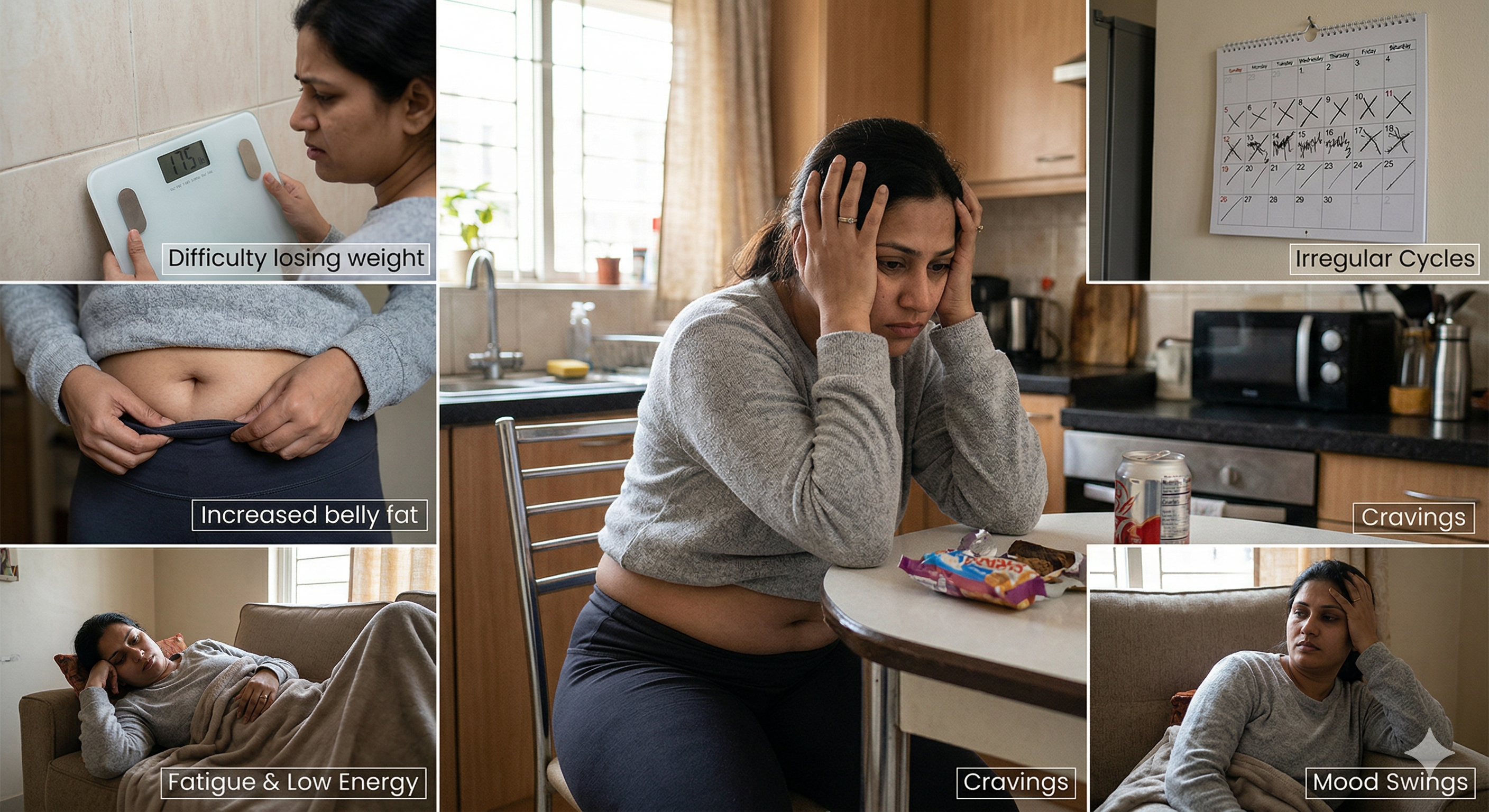
If you're not losing weight despite dieting, look for these signs:
These symptoms often indicate that hormonal imbalance may be the root cause.
Dieting focuses on restricting food intake, but it doesn't address internal imbalances.
Here's what happens:
This creates a cycle where you eat less, your body resists weight loss, and you feel frustrated.
Modern weight management is moving beyond dieting and focusing on metabolic and hormonal health.
Instead of asking: ❌ "How many calories should I eat?"
The better question is: ✅ "Why is my body not responding to weight loss efforts?"
This shift has led to the rise of treatments like GLP-1 weight loss injections.

Weight Loss Injections are designed to support weight loss by targeting the body's hormonal system. Most commonly, they belong to a category called GLP-1 weight loss injections.
They help:
This makes it easier to eat less without feeling deprived, maintain consistency, and lose weight gradually.
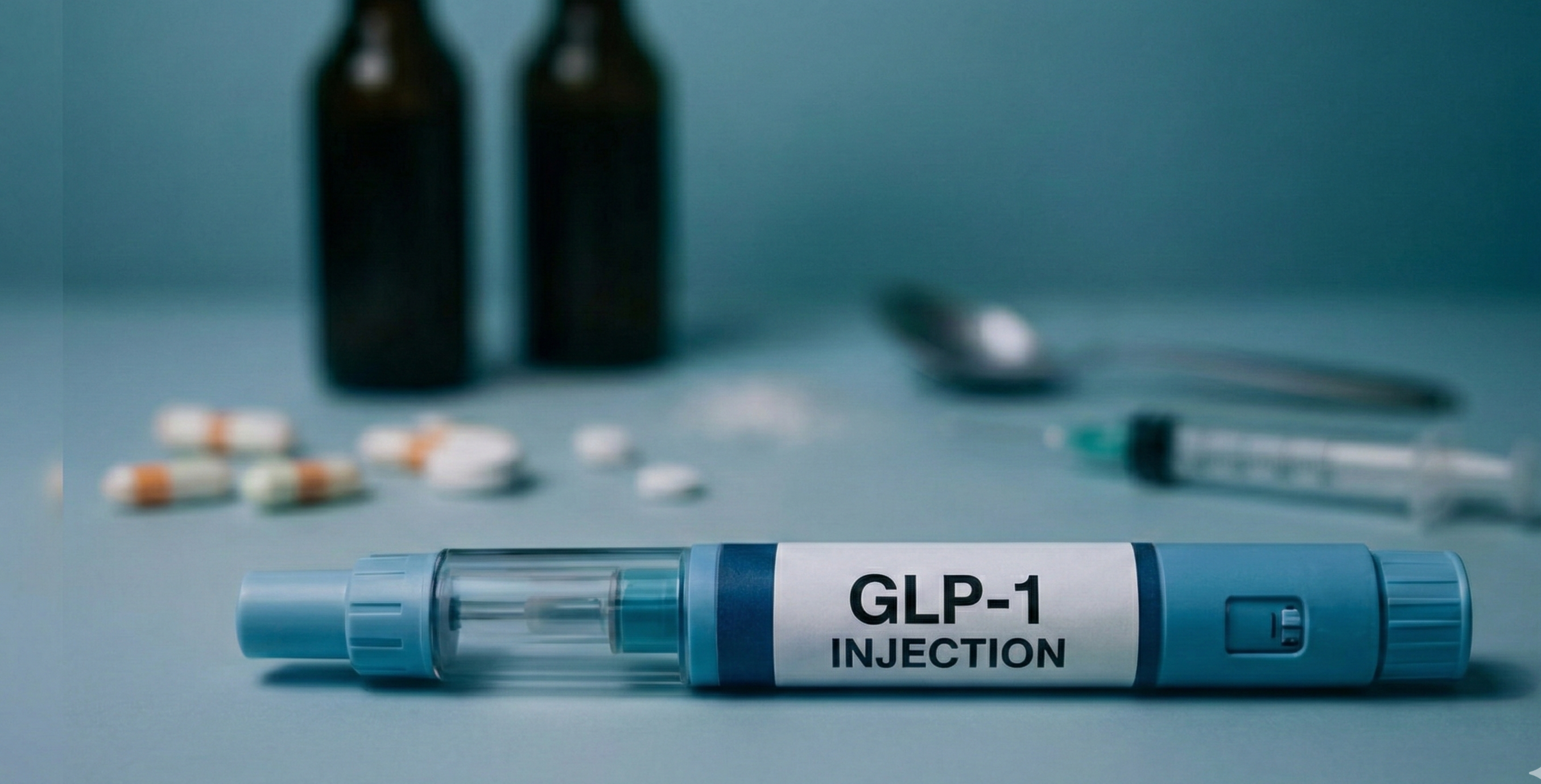
Unlike dieting, these treatments address the root cause of weight gain.
They regulate hormones instead of just restricting calories, targeting the core of the problem.
By improving insulin sensitivity, the body's tendency to store excess fat is significantly reduced.
Reduced overeating becomes natural rather than a constant battle of willpower.
Better lifestyle adherence becomes possible when energy levels are consistent throughout the day.
This is why many people who struggled for years start seeing results with medical support.
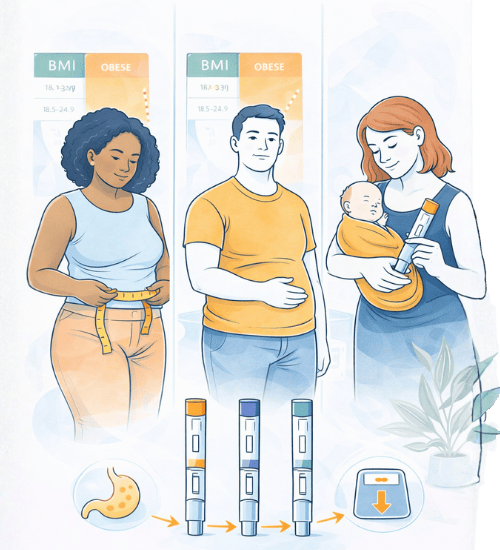
Medical weight loss may be helpful if you:
Consulting an expert helps determine the right approach for your body.
GLP-1 weight loss injections mimic a natural hormone in the body. They:
Because of this, they are especially effective for insulin resistance, hormonal weight gain, and obesity management.
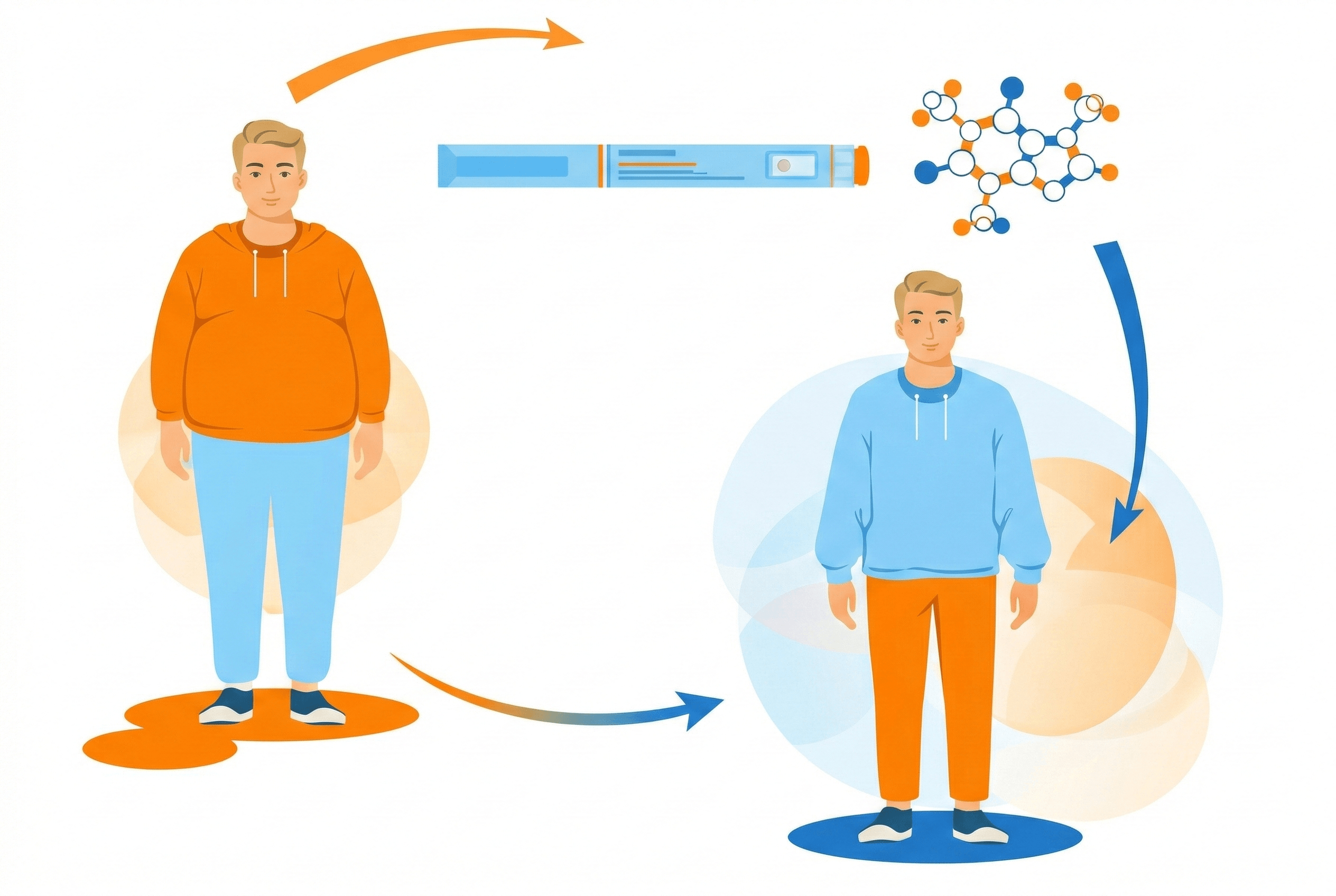
When prescribed by qualified professionals, these treatments are generally safe. However, they should always be:
This ensures both safety and effectiveness.
There is no one-size-fits-all solution for weight loss. A proper treatment plan should include:
At clinics like MOH Clinics, the focus is on identifying the root cause and creating a tailored strategy.
Even with medical treatments, healthy habits are essential.
For best results:
Medical treatments make these habits easier to follow—but they don't replace them.
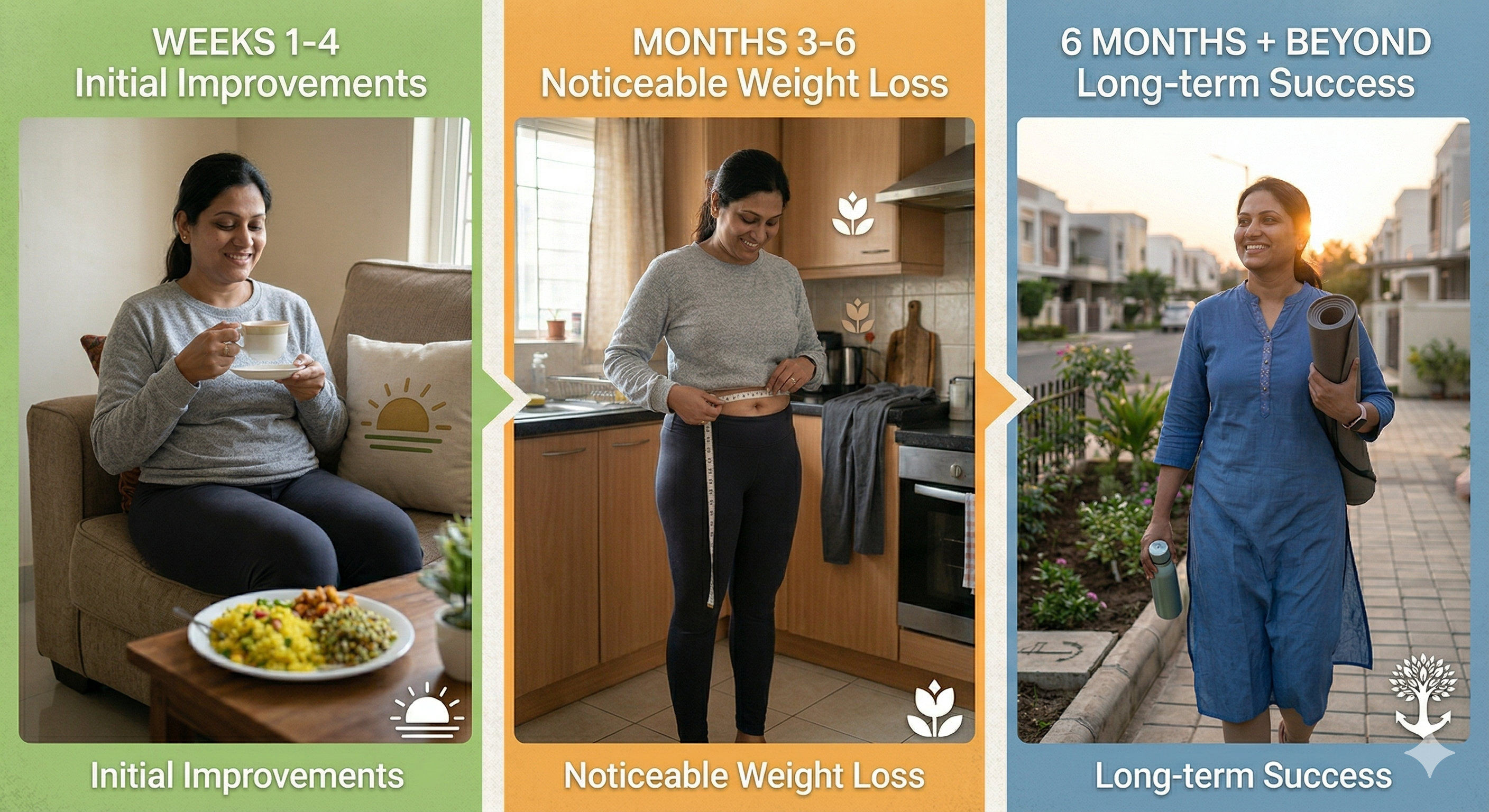
Results vary depending on individual factors, but many people experience:
The key is consistency and proper guidance.
If you're not losing weight despite dieting, it's time to look beyond calories. Your body may be dealing with hormonal imbalances that make weight loss more challenging.
Instead of pushing harder with restrictive diets, a smarter approach is to understand your body and address the root cause. Treatments like Weight Loss Injections and GLP-1 weight loss injections are helping individuals achieve sustainable results by improving how the body regulates hunger, metabolism, and fat storage.
With the right combination of medical support, lifestyle changes, and consistency, weight loss becomes more achievable—and far less frustrating.