Follow Us:


The world of obesity treatment is moving faster than ever.
First came Ozempic.
Then Mounjaro changed expectations around medical weight loss.
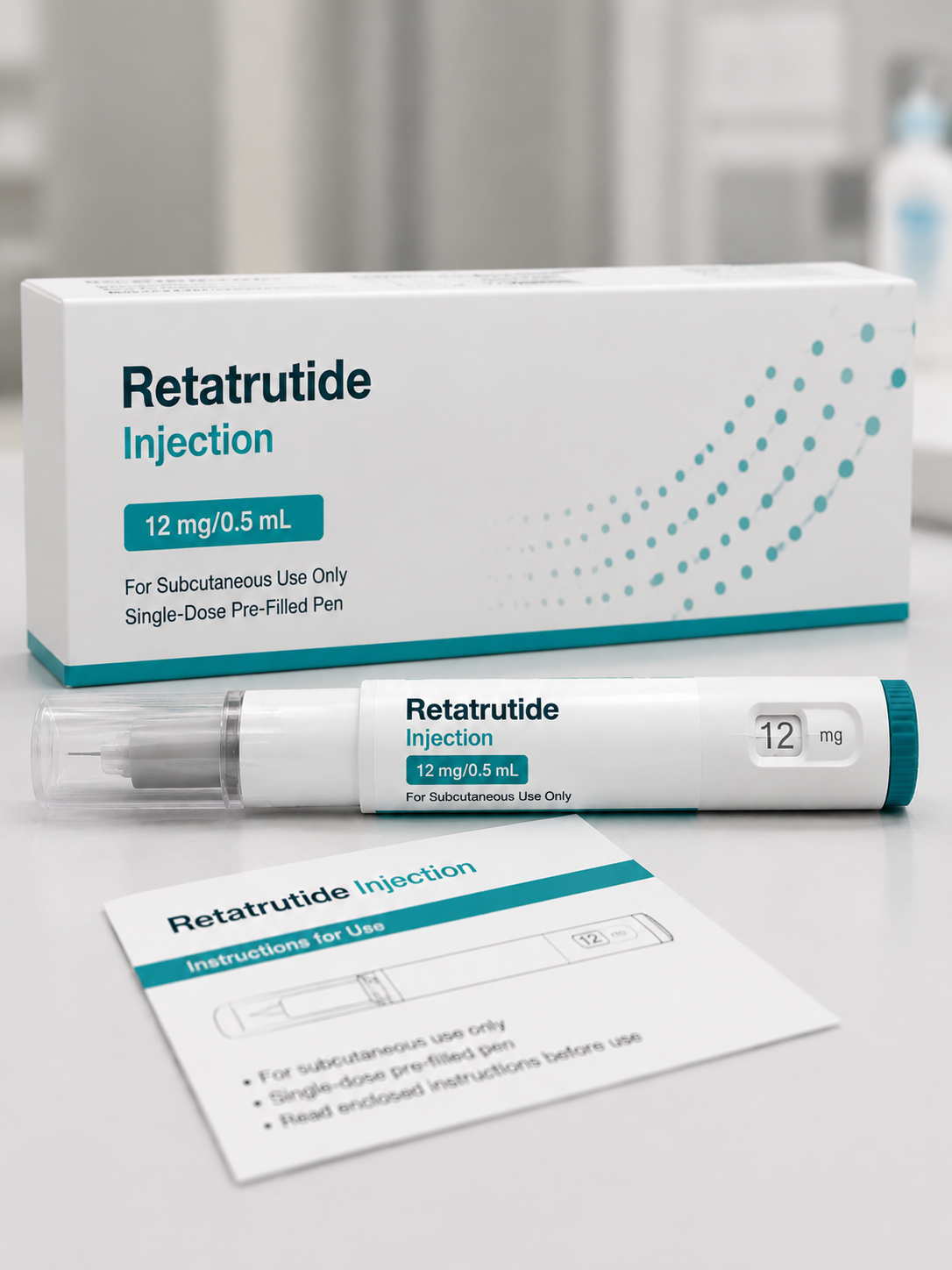
Now, a new name is attracting attention among obesity specialists and patients worldwide: Retatrutide.
Recent clinical trial results have shown weight loss outcomes approaching 30% of total body weight—numbers previously associated primarily with bariatric surgery. As a result, many patients searching for weight loss injections in Mumbai are now asking:
Let's explore what current research and industry updates suggest.
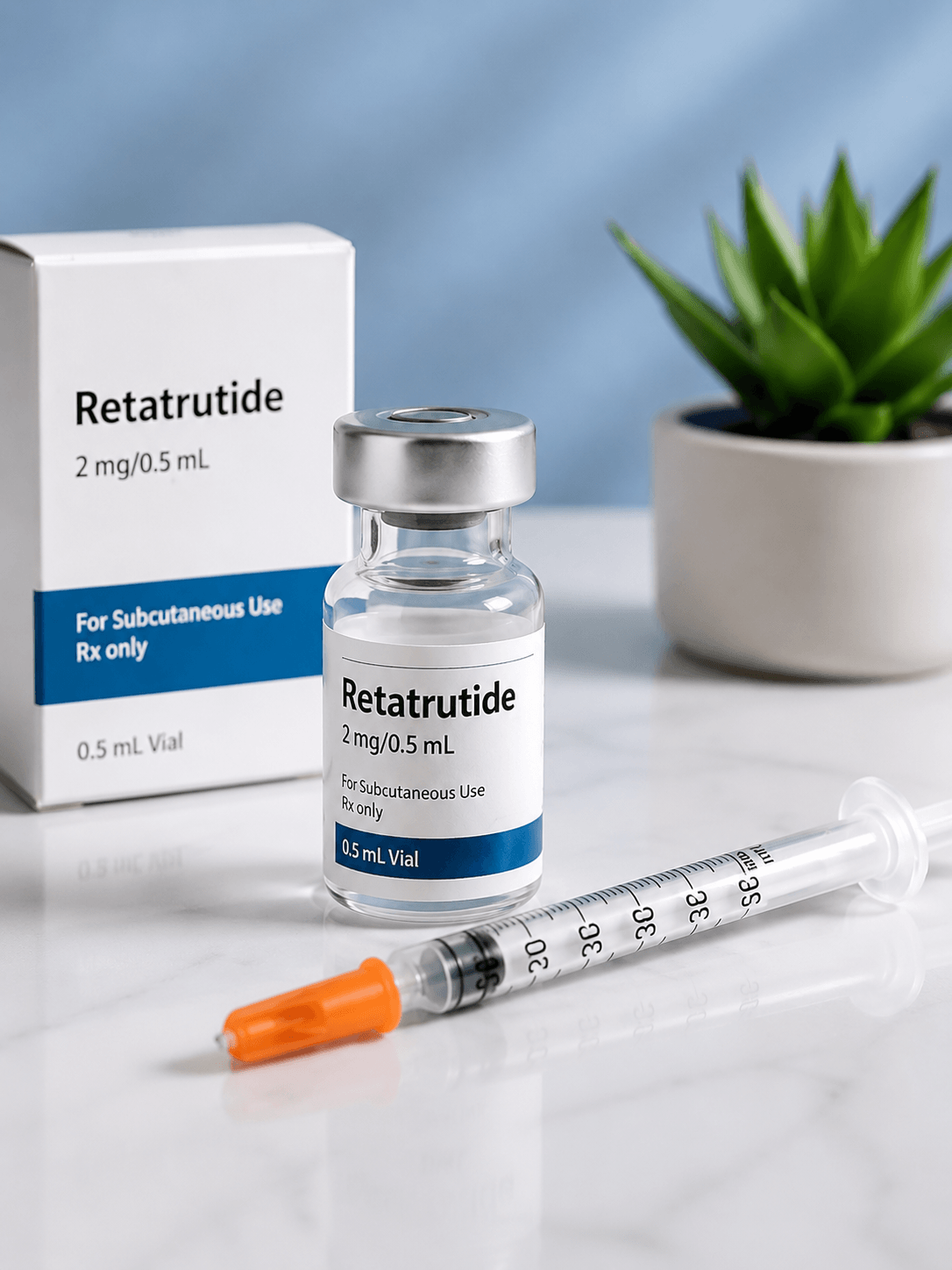
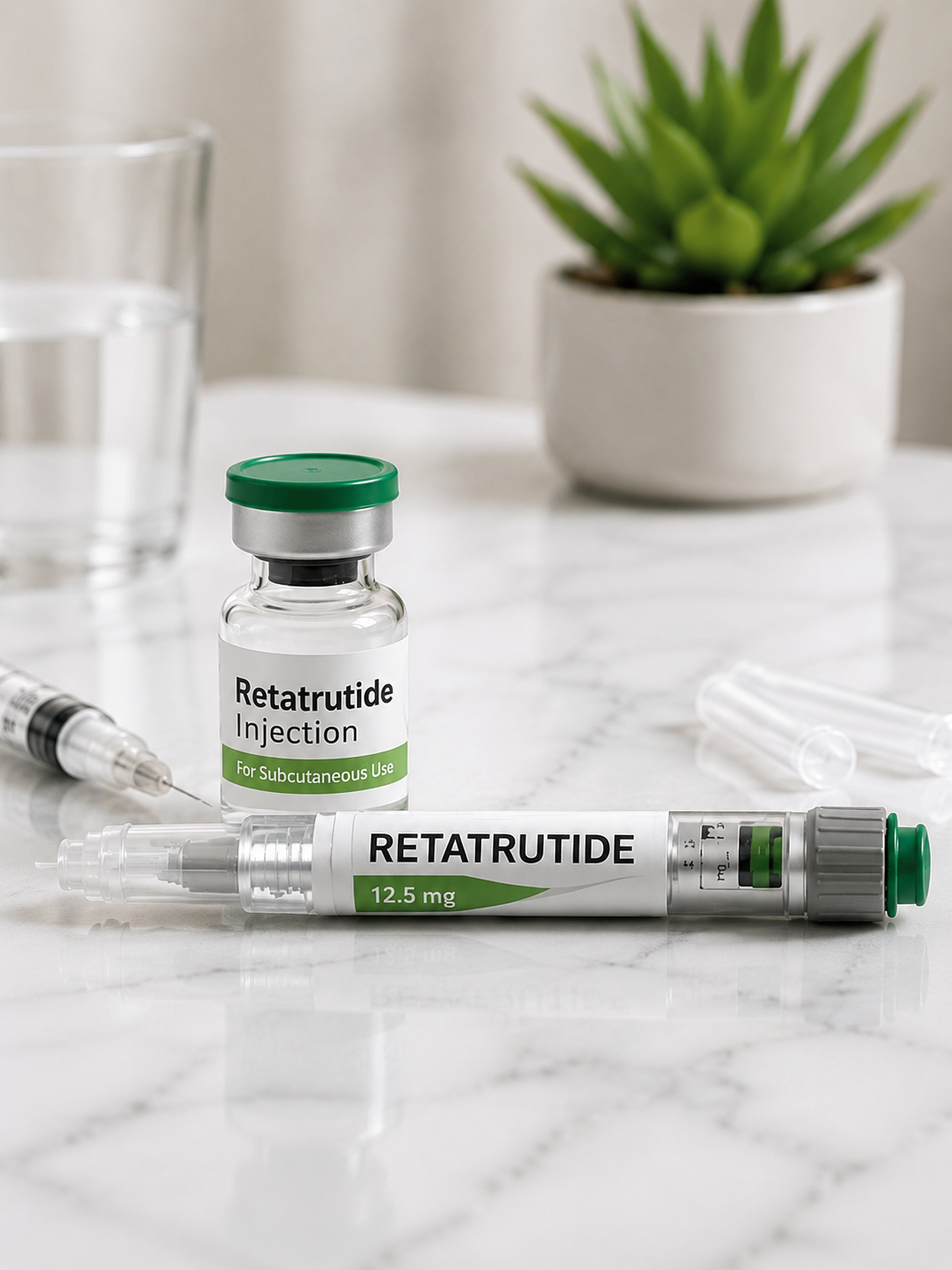
Retatrutide is an investigational once-weekly injection developed by Eli Lilly.
Unlike traditional GLP-1 medications, Retatrutide activates three hormone pathways simultaneously:
This is why it is often referred to as a triple agonist therapy. Researchers believe this multi-hormone approach may improve:
The combination is designed to address obesity through multiple biological mechanisms rather than focusing only on hunger reduction.

The answer is simple:
Recent Phase 3 trial data showed:
Many obesity experts consider these results among the strongest ever reported for a non-surgical obesity treatment.
As of 2026, Retatrutide has not received widespread commercial approval in India and remains under regulatory review globally. It is still considered an investigational therapy.
This means:
Patients should be cautious about purchasing Retatrutide from unverified online sources because unregulated products may pose serious safety risks.


While no official Indian launch timeline has been confirmed, recent reports suggest Eli Lilly is progressing toward regulatory submissions following successful Phase 3 trial results. Analysts expect approval processes to continue over the coming years.
Industry experts consider Retatrutide one of the most anticipated obesity therapies expected to shape the future of weight management globally.
Current therapies like semaglutide primarily target GLP-1 receptors.
Targets:
Targets:
The additional glucagon activity may help increase energy expenditure and support greater fat loss, which may explain the superior weight loss outcomes seen in clinical trials.
Although final treatment guidelines will depend on future approvals, obesity specialists believe certain patient groups may benefit the most.

Patients with obesity who have struggled to achieve meaningful weight loss through lifestyle modifications alone may be strong candidates.
Abdominal obesity is closely linked to:
Advanced therapies may offer additional support for these patients.


Many people gain weight despite following diet and exercise plans because underlying insulin resistance affects metabolism.
Retatrutide's multi-hormone approach may help address these metabolic challenges.
Many women with PCOS experience:
Future obesity treatments such as Retatrutide may become valuable options for this group.


Some individuals experience limited success with existing therapies.
Retatrutide may eventually offer another option for patients seeking more substantial weight reduction.
Like other medications in this category, the most common side effects have been gastrointestinal.
Reported side effects include:
Studies suggest side effects generally increase with higher doses but remain similar to those seen with other GLP-1-based therapies.
Researchers continue to evaluate long-term safety through ongoing studies.


This is one of the most discussed questions in obesity medicine today.
The impressive weight loss outcomes have led some experts to compare Retatrutide's results with certain bariatric procedures. However, surgery and medication remain very different treatment approaches.
For some patients:
For others:
The future role of Retatrutide will become clearer as longer-term data continues to emerge.
Official pricing has not yet been announced.
However, because Retatrutide is expected to be a premium obesity treatment, many experts anticipate pricing similar to or higher than currently available advanced weight loss injections at launch.
Factors influencing future cost may include:
Until official announcements are made, any quoted prices should be treated as speculation.


Mumbai has become one of India's fastest-growing centers for medical weight management.
As awareness around obesity science increases, more patients are seeking treatments that address:
The growing demand for weight loss injections in Mumbai explains why Retatrutide has become a major topic of discussion among patients and obesity specialists alike.
Retatrutide represents one of the most exciting developments in obesity medicine in recent years.
Its triple-hormone mechanism, impressive clinical trial outcomes, and potential to deliver substantial weight loss have positioned it as a possible next-generation treatment for obesity and metabolic disease.
While Retatrutide Weight Loss Treatment is not yet officially available in Mumbai or India, ongoing research and regulatory progress suggest it may become an important option in the future. For now, patients interested in advanced obesity management should focus on medically supervised treatment plans and stay informed about emerging therapies.
As more data becomes available, Retatrutide may play a significant role in helping individuals with obesity, insulin resistance, PCOS, and metabolic health challenges achieve sustainable weight loss outcomes.